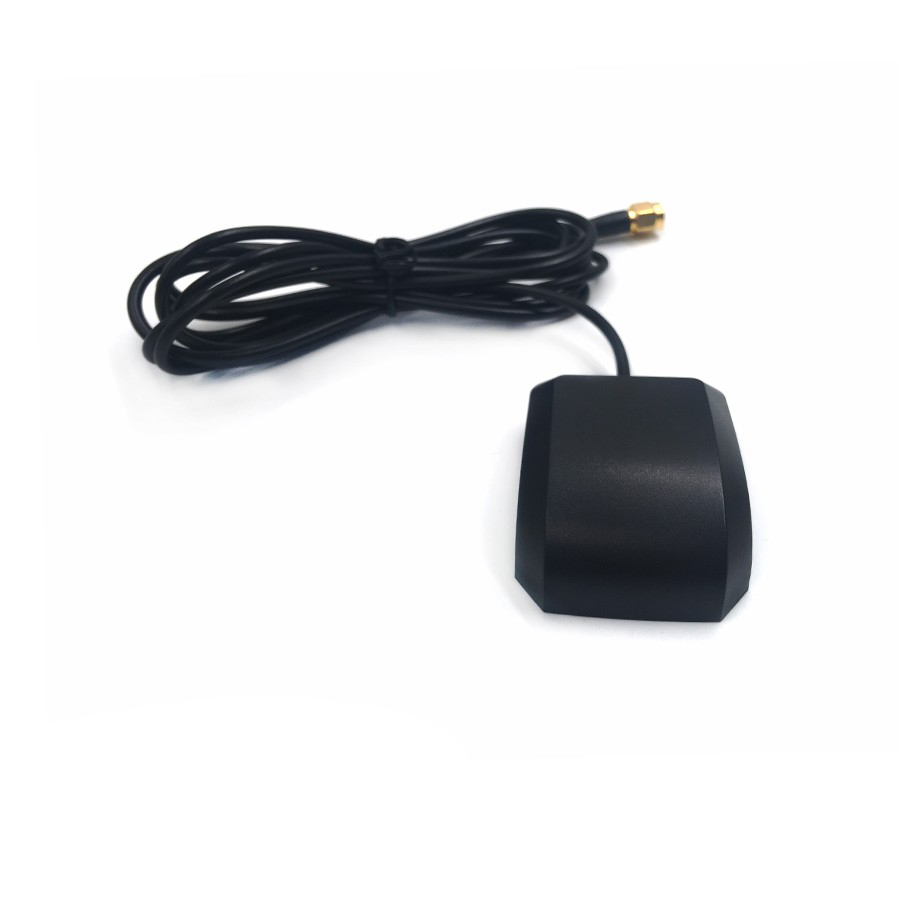
When sourcing and deploying GPS antennas for industrial control, IoT devices, drones, automotive navigation, marine positioning, and smart equipment across global markets, the coverage range of GPS antennas remains one of the most critical metrics for buyers, engineers, and project decision-makers. Many people mistakenly equate coverage range with physical distance, but in reality, as satellite signal receiving components, GPS antennas’ coverage capability is more reflected in signal reception angle, sensitivity, anti-interference performance, and environmental adaptability. Understanding this technical logic is essential for making accurate, stable, and cost-effective decisions in international trade and product selection, avoiding positioning failures, signal drift, or system instability caused by mismatched parameters.
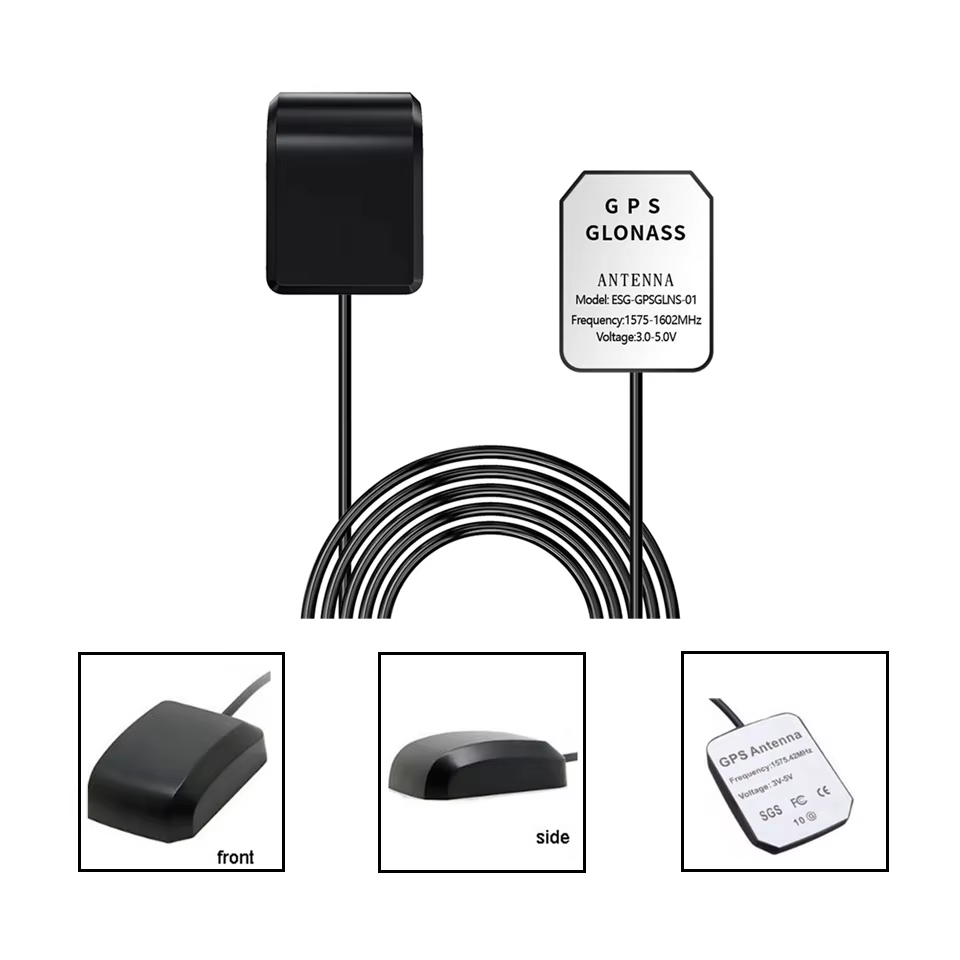
From a professional technical perspective, the coverage range of a standard GPS antenna is based on upper hemisphere reception, featuring 360° omnidirectional coverage in the horizontal plane and covering the entire sky area from 0° (horizon) to 90° (zenith) in the vertical direction. This means that as long as there is no obvious obstruction above the antenna, it can theoretically receive signals from all visible satellites. High-performance multi-band GNSS antennas are also specifically designed to enhance low-elevation signal reception, typically capable of stably capturing satellite signals at elevations above 10°. This feature directly determines the antenna’s actual performance in complex environments such as urban areas, mountainous regions, and woodlands. Key parameters such as gain, noise figure, VSWR (Voltage Standing Wave Ratio), and polarization mode all directly affect the antenna’s effective coverage range and signal stability.
There are significant differences in coverage range and applicable scenarios among different types of GPS antennas. Passive ceramic antennas, with their simple structure and low cost, are suitable for basic positioning scenarios such as consumer electronics and small smart devices, but their coverage capability is relatively weak and they are prone to environmental interference. Active antennas with built-in LNA (Low Noise Amplifier) can increase the effective coverage range by 30% to 50% by boosting signal gain, making them widely used in automotive, logistics tracking, and security equipment. High-precision multi-band, multi-system GNSS antennas, on the other hand, support global navigation systems such as GPS, BeiDou, GLONASS, and Galileo, offering stronger low-elevation coverage and anti-multipath interference capabilities—making them the top choice for high-demand scenarios such as drone surveying, autonomous driving, precision agriculture, and geomatic mapping.
The actual operating environment has a significant impact on the coverage range of GPS antennas. Urban high-rise obstructions, dense forests, metal structures, and strong electromagnetic interference can all weaken signals and reduce the effective coverage range. A reasonable installation location, standardized wiring, sufficient installation height, and high-quality coaxial cables can maximize the antenna’s designed performance. Outdoor and industrial-grade devices also need to have an IP67 or higher waterproof and dustproof rating, a wide operating temperature range, and strong anti-aging capabilities to ensure stable coverage in harsh climatic conditions across different regions of the world—this is also a crucial reliability indicator that must be emphasized for export products.
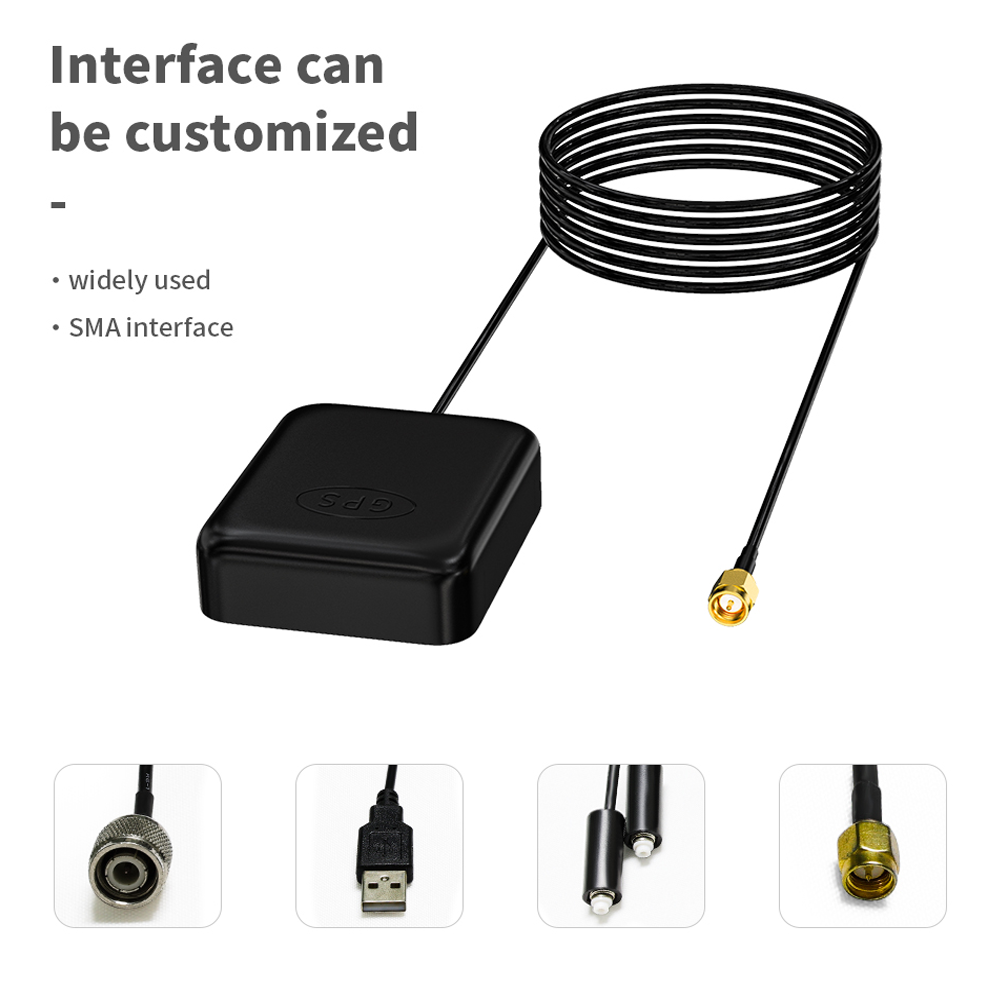
For global buyers, selecting a GPS antenna requires considering not only coverage range but also comprehensive factors such as product performance, certification qualifications, supply stability, and customization capabilities. Products with international certifications such as CE, FCC, and RoHS can smoothly enter major markets such as Europe, America, Southeast Asia, and the Middle East. Professional suppliers can also provide customized services such as gain customization, interface customization, and structural customization according to customer needs, allowing the antenna to better adapt to end products. In today’s rapidly developing global smart device market, stable, reliable, and high-coverage GPS antennas will continue to be indispensable core components in fields such as IoT, intelligent transportation, drones, and industrial automation.