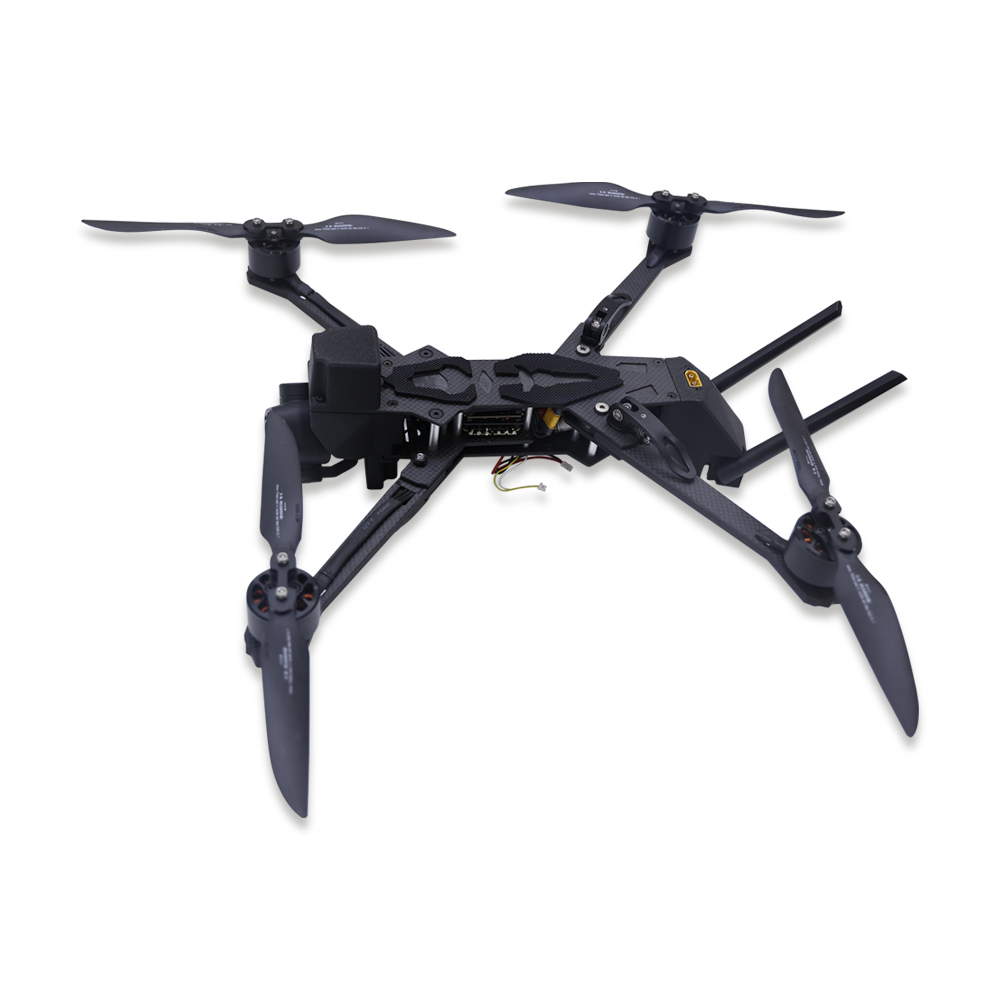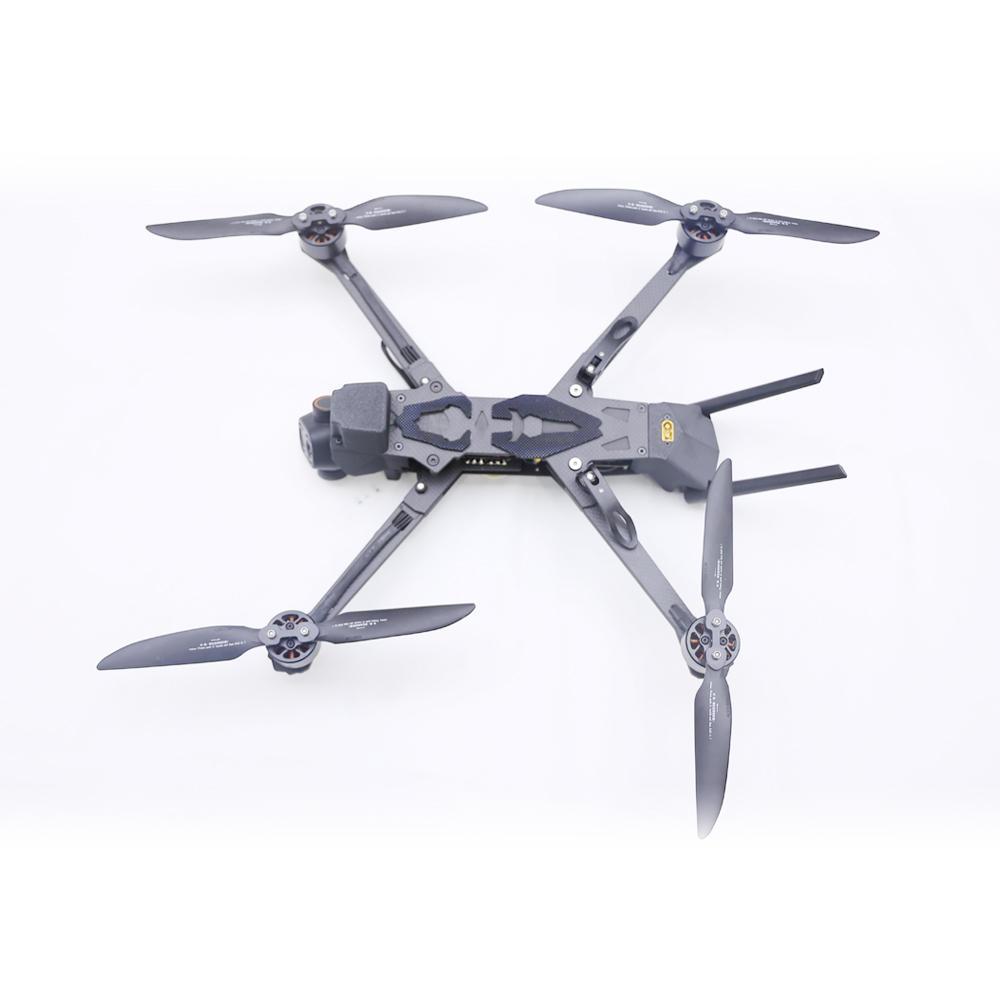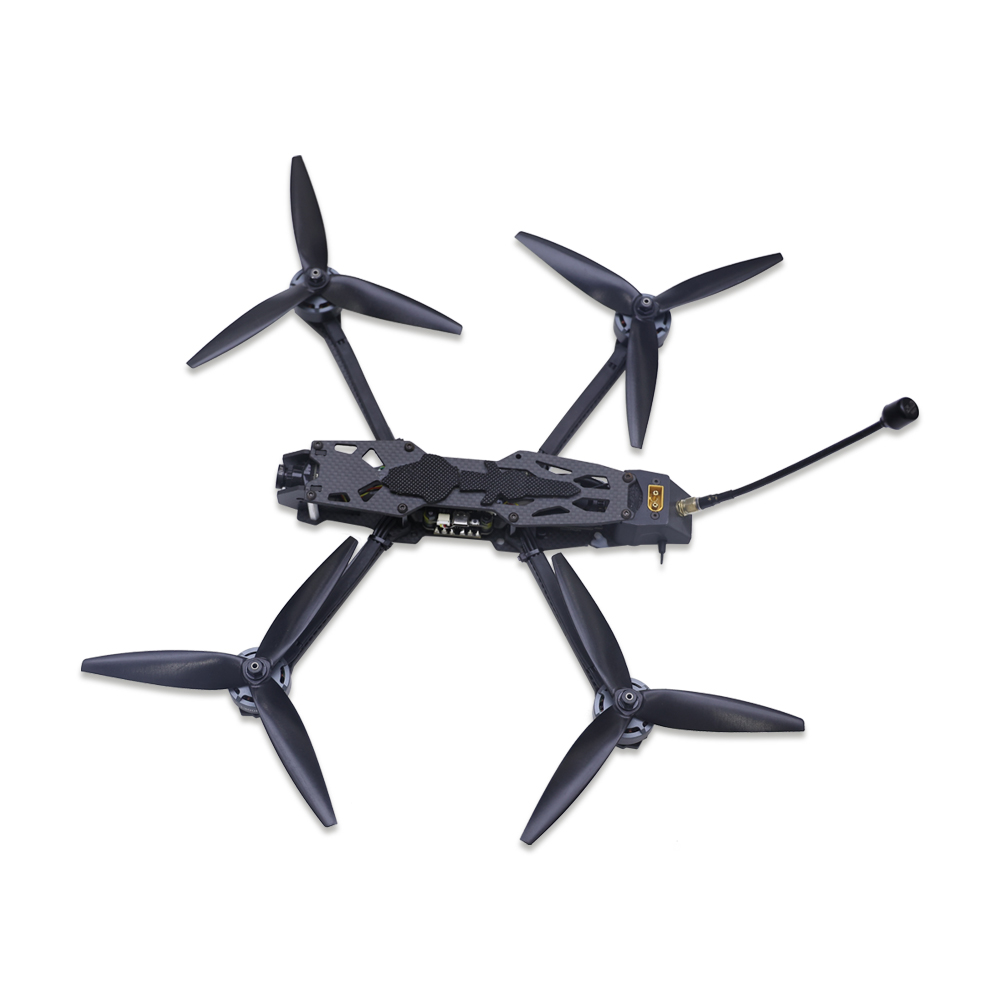
In terms of flight performance, the gap between ordinary UAV and FPV UAV is very obvious, which directly determines their applicable scenarios. FPV UAV is famous for its amazing speed and maneuverability. Its highest speed can reach 150-230 km/h, and the highest record even exceeds 379 km/h. The acceleration time of 100 km is less than 1 second, and it can easily complete high-risk and difficult actions such as spiral tumbling, inverted flying and rapid lifting. In contrast, ordinary drones pay more attention to flight stability and safety. The speed is usually less than 100 km/h, and the acceleration is smooth and soothing. The original intention of the design is not to pursue the ultimate performance, but to ensure the stability of shooting quality and task execution.
Endurance is another core difference that cannot be ignored. Due to the high energy consumption caused by high-speed flight and high maneuverability, the endurance of FPV UAV is relatively short, usually only 10-20 minutes. Ordinary UAVs, especially industrial-grade UAVs, pay more attention to endurance in design to meet the needs of long-term operations such as aerial photography, surveying and mapping, and inspection. Their endurance usually ranges from 30 minutes to several hours, far exceeding FPV UAVs. For overseas buyers with long-term operation requirements, ordinary drones are undoubtedly a more suitable choice.
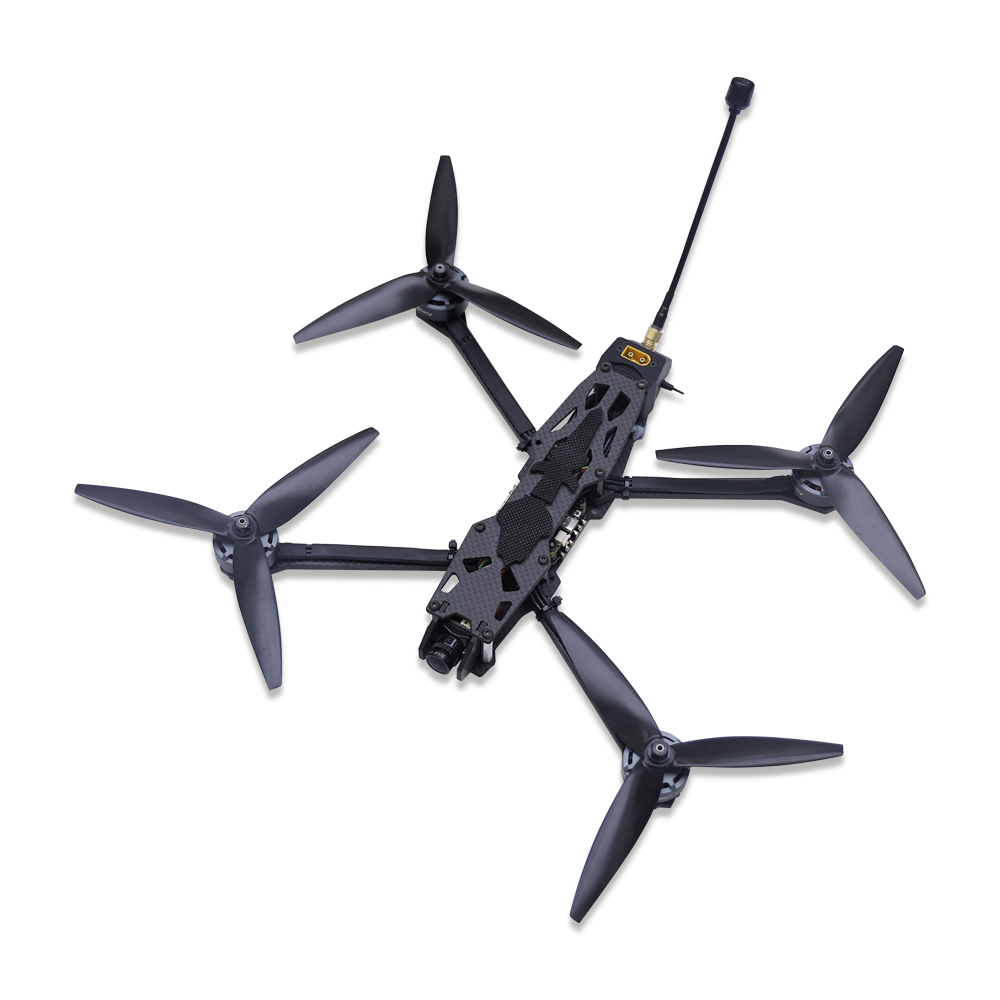
In terms of hardware configuration, the differences between the two types of UAVs are equally significant because they adapt to different needs. The FPV UAV is equipped with high-speed motor, high-power electronic control (ESCs), low-delay image transmission system and FPV special camera. The image transmission system requires extremely high real-time, and the delay is usually controlled within tens of milliseconds to ensure that the operator can get real-time flight feedback. At the same time, most FPV UAVs use lightweight and high-strength carbon fiber frames, and the fuselage design is more customized, allowing users to assemble different components according to their own needs.
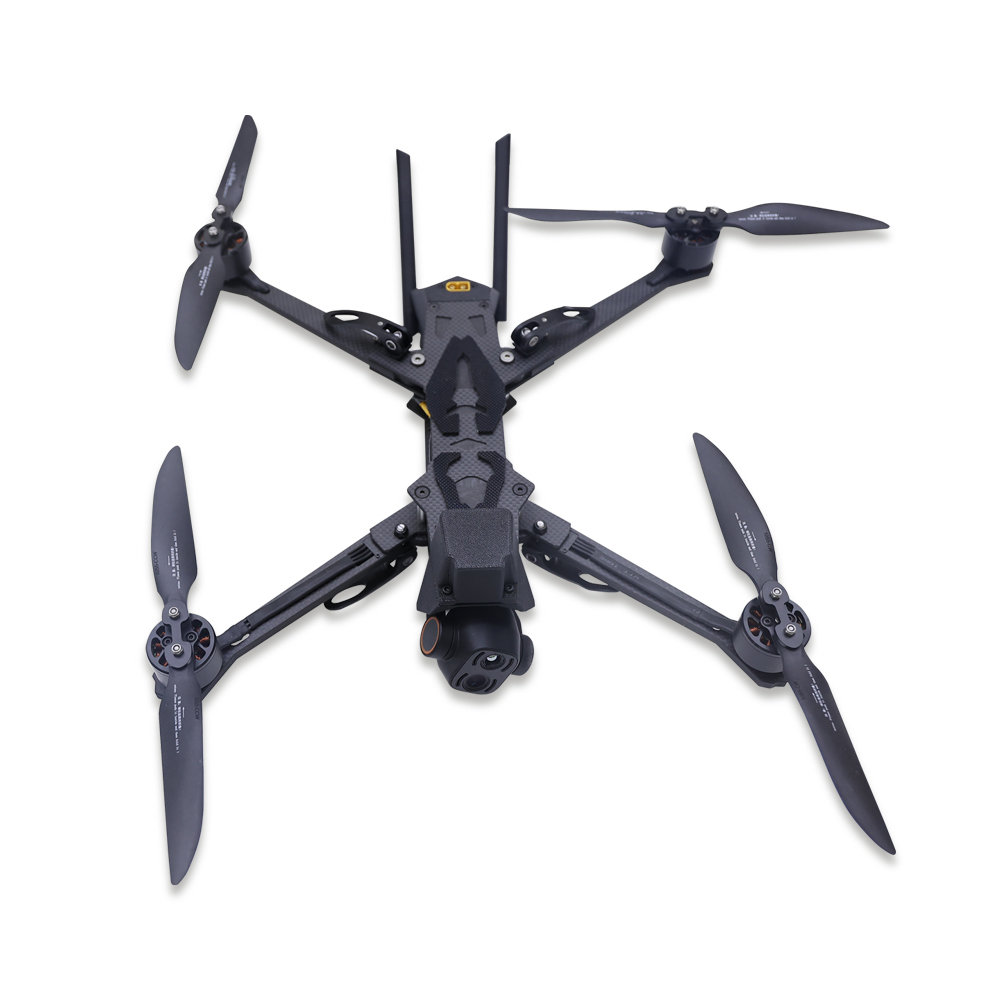
Ordinary UAVs pay more attention to mission load capacity and flight stability, and are usually equipped with high-resolution cameras, GPS modules, various sensors (such as visual sensors, ultrasonic sensors, infrared sensors) and automatic control systems. These hardware configurations support ordinary UAVs to realize intelligent functions such as automatic hovering, path tracking, obstacle avoidance, etc. The fuselage mostly adopts integrated design, emphasizing the convenience of operation, and can be used without complicated assembly by users.
The difference in control difficulty is also a key factor for buyers to consider when choosing. It is difficult to control the FPV UAV, which requires the operator to obtain the real-time flight angle through special FPV glasses, and manually control the UAV to complete various actions, which requires extremely high response speed and control skills of the operator, and is more suitable for enthusiasts or professional users with certain experience. Ordinary drones focus on "fool-like operation", relying on intelligent control system, even novices can quickly get started, easily complete hovering, shooting, route flight and other operations, and are more suitable for non-professional groups such as ordinary consumers and small and medium-sized enterprises.
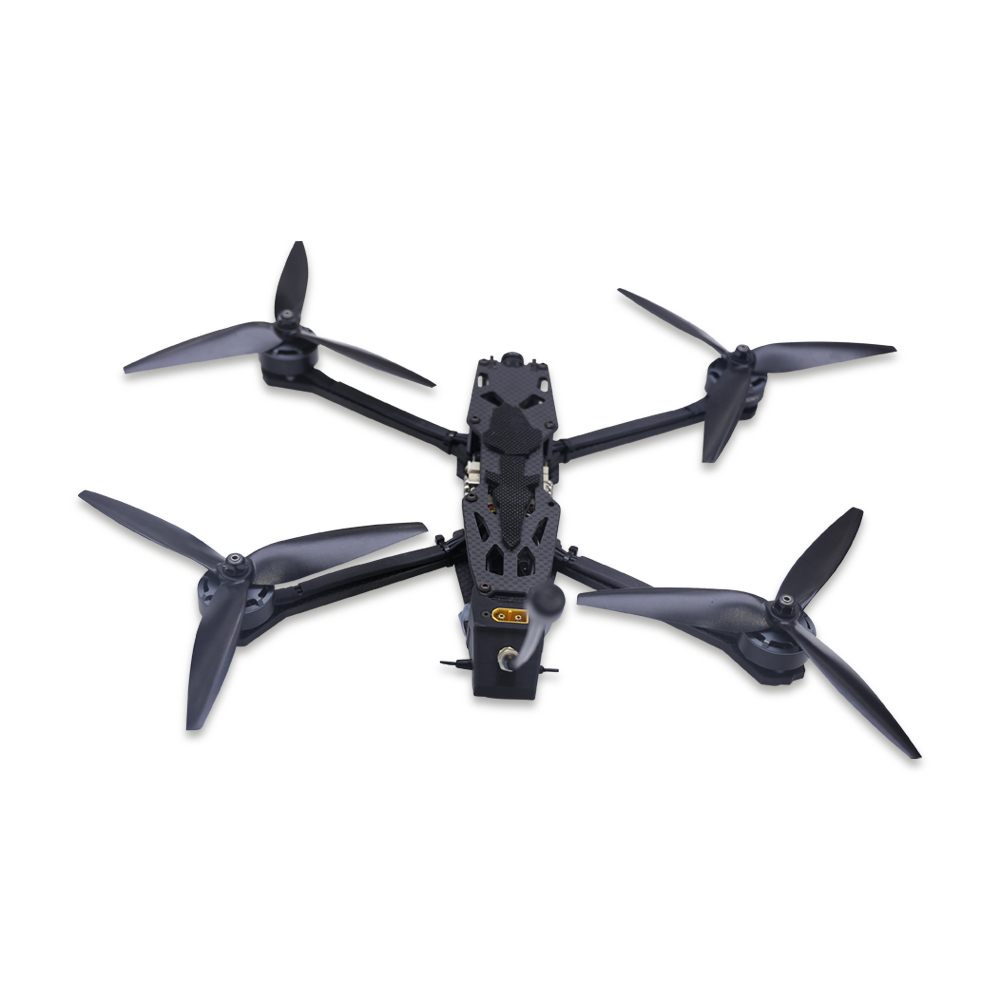
In the application scenario, the division of labor between the two types of drones is also very clear. Ordinary UAV has a wider range of application scenarios, covering daily aerial photography, family records, travel punching, agricultural plant protection, power inspection, geographic mapping, film and television shooting and other fields. It can not only meet personal consumption needs, but also adapt to the practical operation needs of various industries. It is the mainstream product in the global UAV market at present. The application scenarios of FPV UAV are relatively focused, mainly focusing on racing competitions, extreme aerial photography, professional film and television special effects shooting, UAV performances and other fields. The audience is mainly professional enthusiasts, event organizations and film and television production companies, and the market positioning is more biased towards high-end professional fields.
For global buyers, clarifying the core differences between the two types of UAVs is the key to accurately lay out the market and meet customer needs. If the procurement demand focuses on mass consumption, daily use or industrial operations, and pursues high cost performance, ease of use and long battery life, ordinary drones are undoubtedly a better choice; If the target customers are professional enthusiasts, competition organizations or film and television companies, and pay attention to the ultimate control experience, speed and maneuverability, then FPV drones are more competitive in the market.
At present, UAV technology continues to iterate, and the boundary between ordinary UAVs and FPV UAVs is gradually expanding-some ordinary UAVs begin to add low-delay image transmission function, and some FPV UAVs are also optimizing battery life and ease of use. However, it is undeniable that there are still significant differences between their core positioning and applicable scenarios. In the future, with the continuous segmentation of market demand, the two types of UAVs will develop in a more professional and precise direction, providing more choices for global buyers.