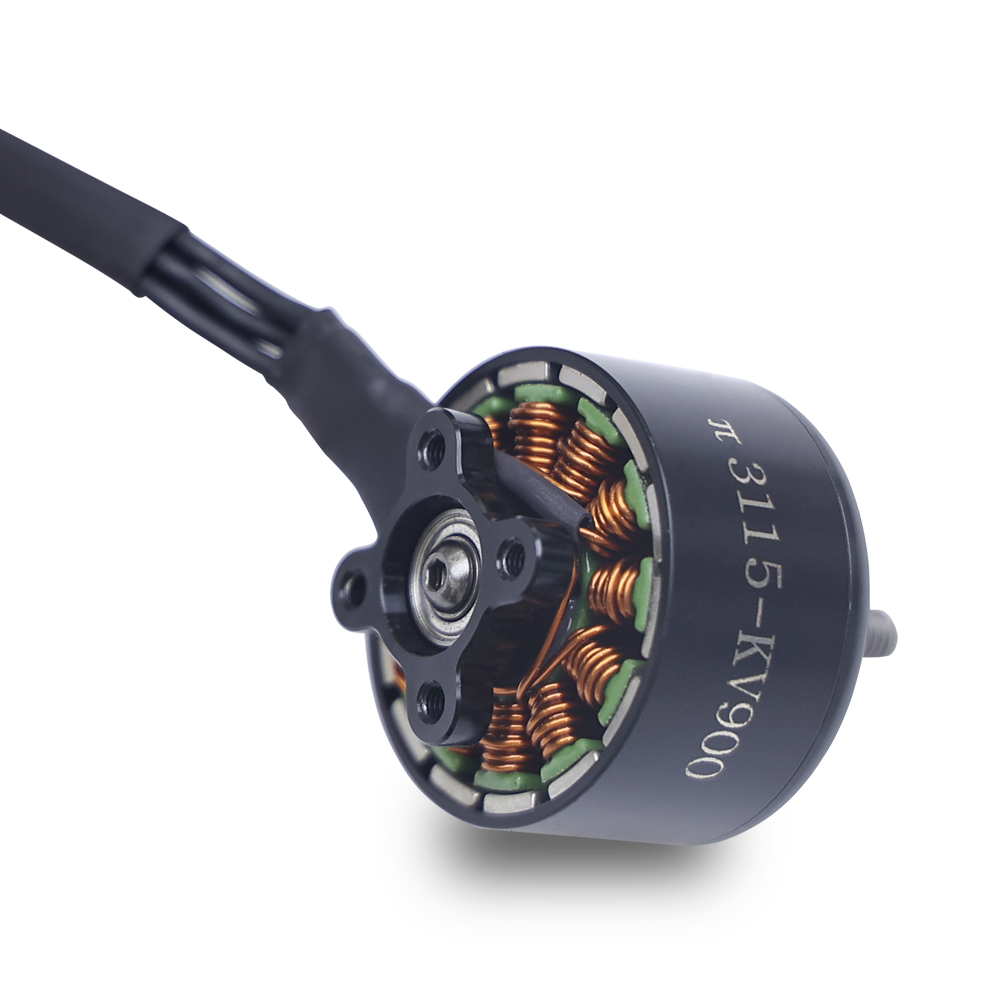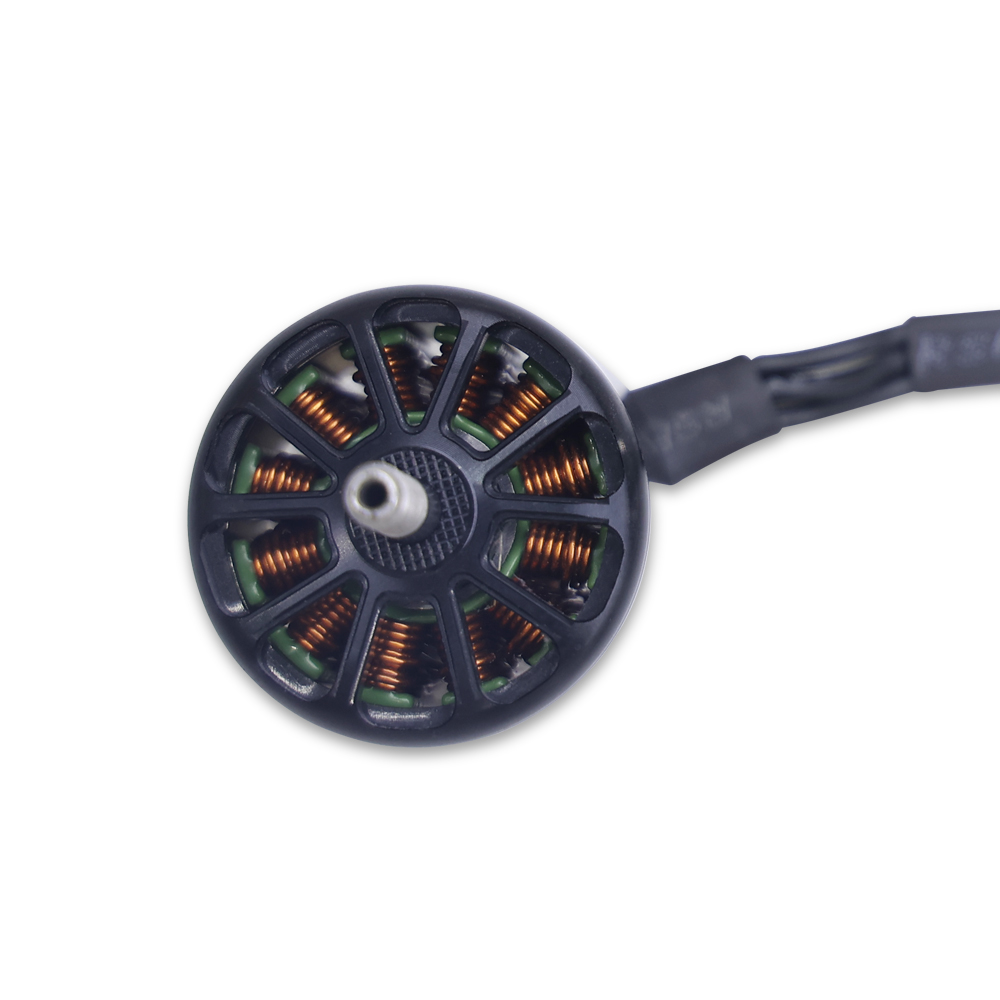
Unlike traditional fuel engines, the vast majority of drones on the market today (especially mainstream consumer and industrial models) use electric motors. Only a few large military and special-purpose drones use fuel engines—this difference mainly stems from the flight requirements and application scenarios of drones. Simply put, the core function of a drone engine is to convert energy into mechanical energy, driving the propeller to rotate and generate lift, enabling the drone to complete a series of actions such as takeoff, flight, hovering, and landing. Its performance directly affects the drone's flight stability, endurance, and mission execution efficiency.
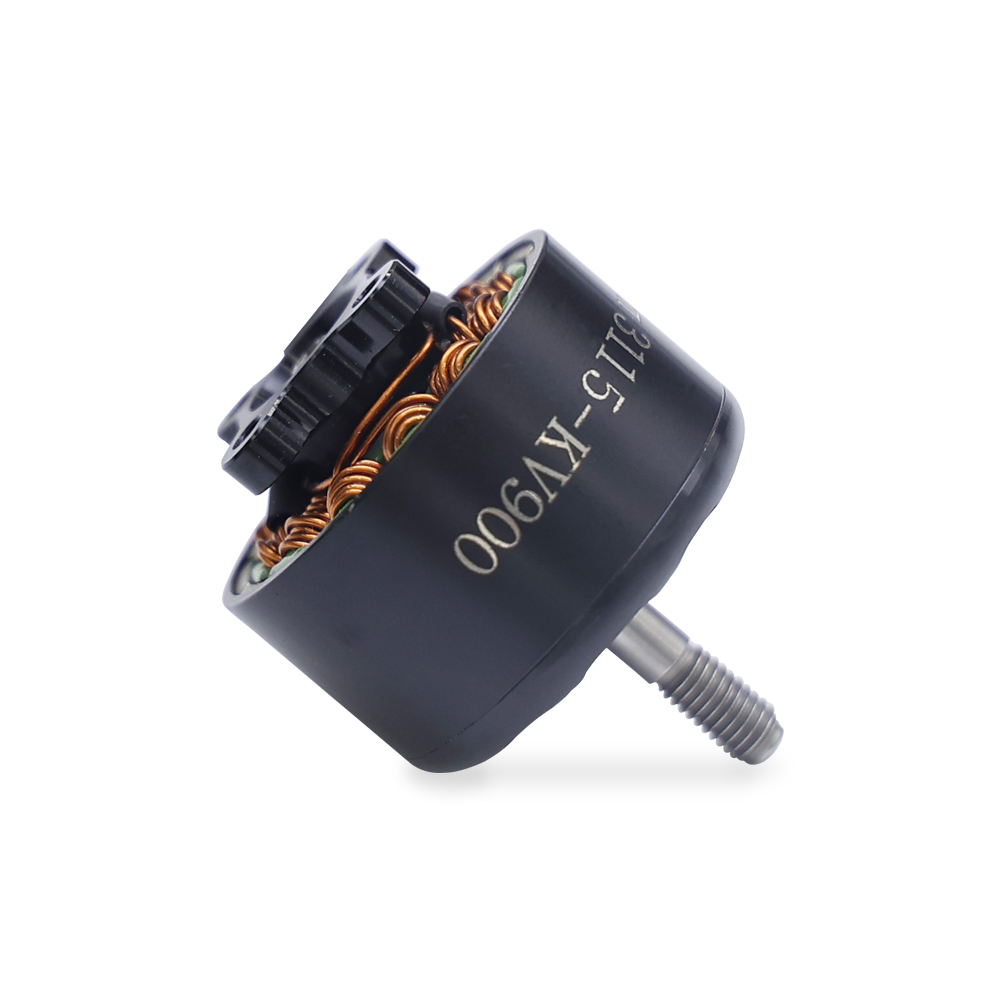
Based on the mainstream products in the current global drone market, drone engines are mainly divided into two categories. Each category is suitable for different models, with significant differences in core characteristics, precisely matching different procurement needs.
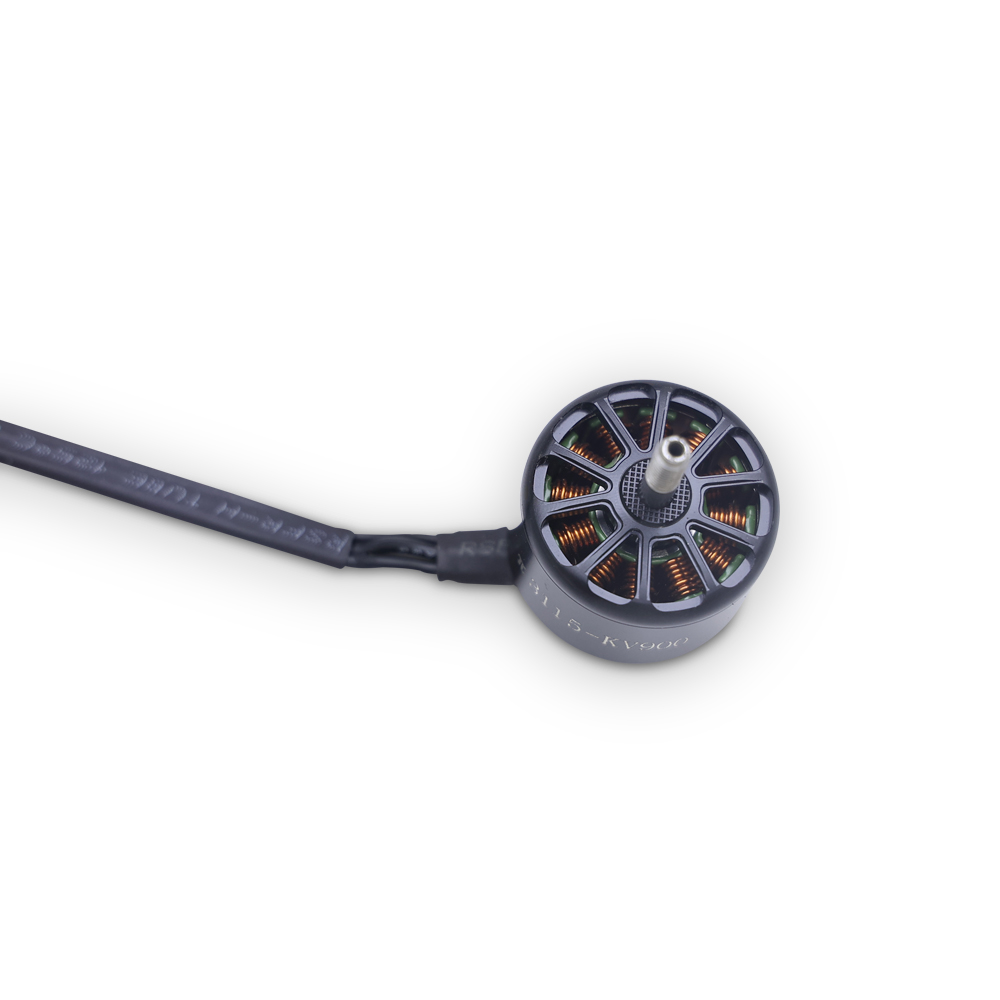
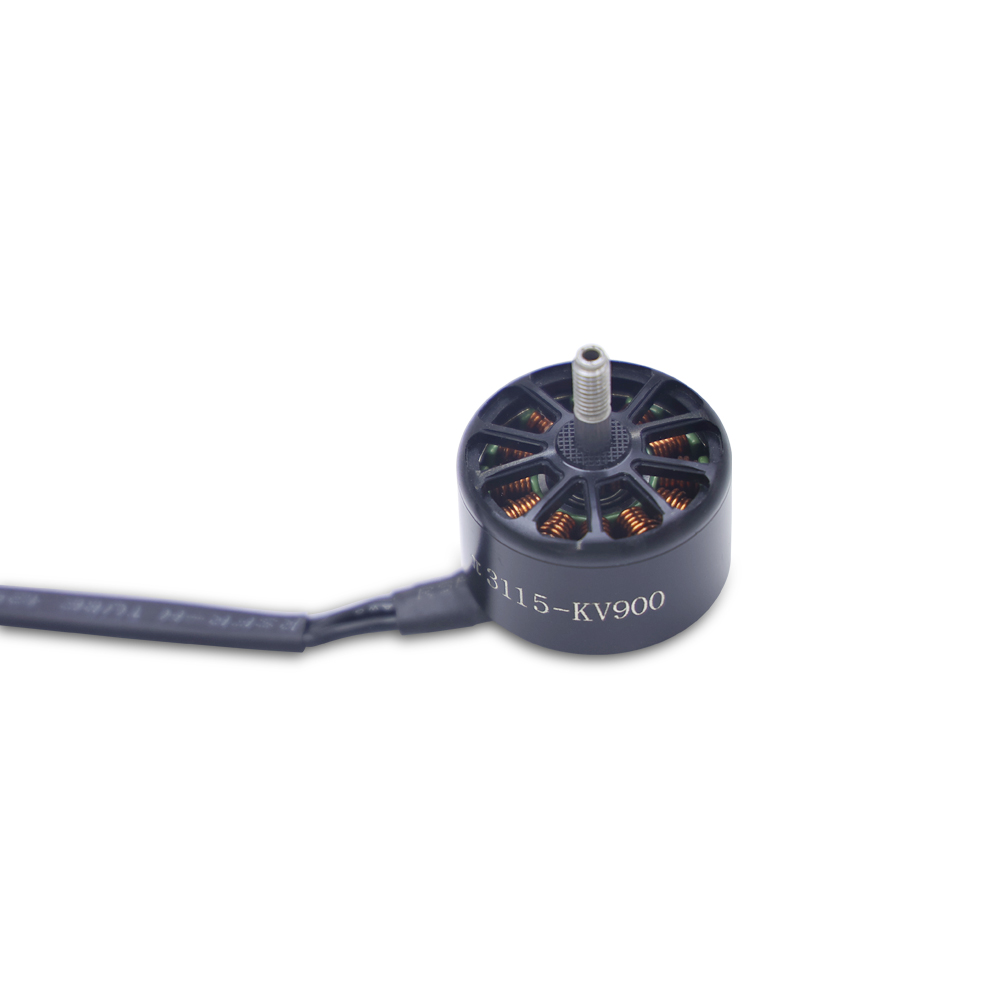
The first category is electric motors, which are currently the "mainstream choice" for consumer and small-to-medium-sized industrial drones. They are widely used in ordinary aerial photography drones, small FPV drones, agricultural plant protection drones, and other models, and are a core demand category in overseas mass-market procurement. Electric motors can be further divided into brushless DC motors (BLDC) and brushed DC motors (BDC). Brushless DC motors, with their advantages of high efficiency, low noise, long lifespan, and easy maintenance, account for over 90% of the electric drone market share and are the standard equipment for the vast majority of mainstream drones.
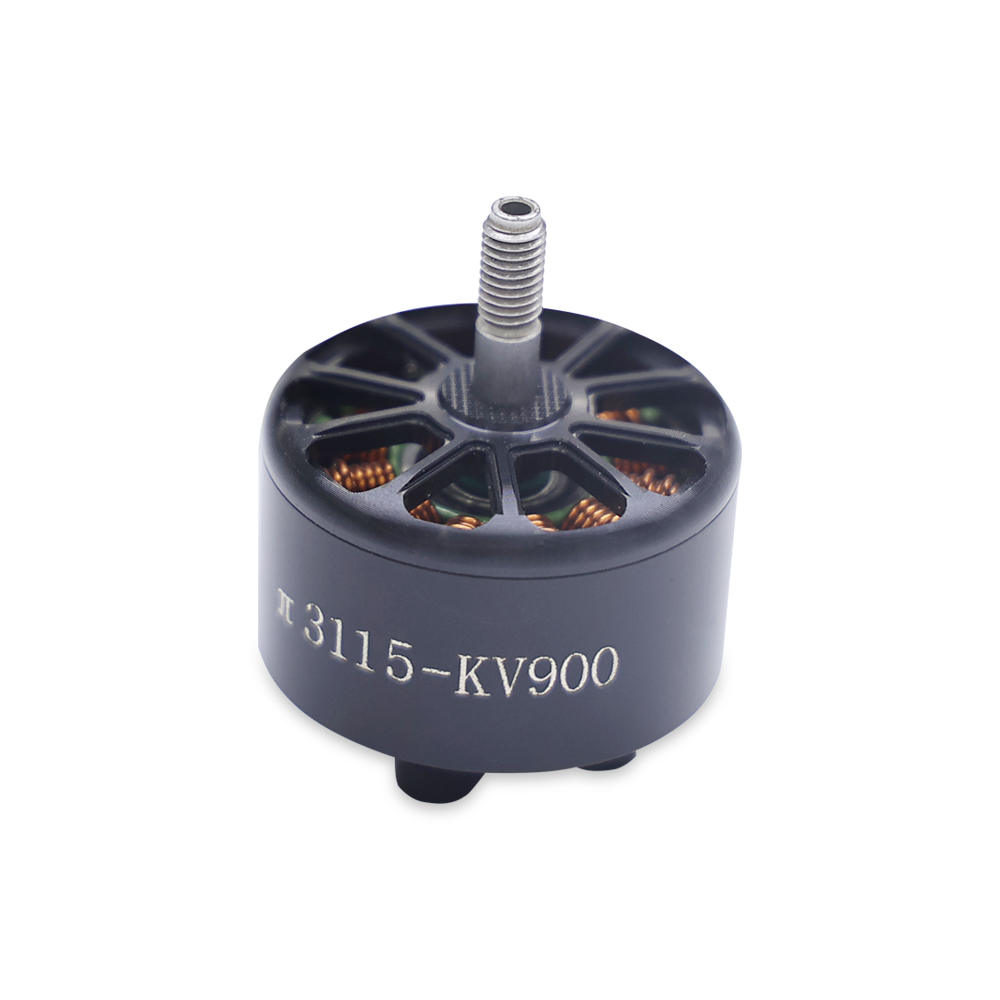
Brushless DC motors do not require brush commutation, resulting in less wear and heat generation during operation. This not only provides stable power output for drones, ensuring smooth flight, but also effectively reduces energy consumption and extends drone endurance—the core reason for their popularity among buyers. Brushed DC motors, on the other hand, are mainly used in entry-level, low-cost small drones due to their low cost and simple structure. They are suitable for procurement needs with low performance requirements and limited budgets, but suffer from drawbacks such as short lifespan, high noise, and frequent maintenance, and are gradually being replaced by brushless motors.
The second category is internal combustion engines, mainly used in large drones and long-endurance drones. They are suitable for high-end industrial and special scenarios such as power line inspection, geographic surveying, forest fire prevention, and military reconnaissance, targeting professional procurement groups. Internal combustion engines, powered by gasoline or diesel, offer strong power output and significantly longer range than electric motors. Some large internal combustion engine drones can achieve flight times of several hours or even tens of hours, enabling them to carry heavier payloads (such as high-definition mapping equipment and infrared detection equipment), making them suitable for long-duration, long-distance outdoor operations.
However, internal combustion engines also have significant drawbacks: they are large, heavy, noisy, and have high maintenance costs, and they emit pollutants, making them unsuitable for urban or indoor environments with noise and environmental restrictions. Furthermore, their high procurement cost limits their target audience, primarily catering to overseas buyers with high-end professional operational needs.
For global trade buyers, clearly understanding the type, characteristics, and suitable application scenarios of drone engines is crucial for accurate selection and market penetration. If procurement needs focus on the mass consumer market (such as aerial photography and entry-level FPV), small-to-medium-sized agricultural or commercial scenarios, and prioritize high cost-effectiveness, low maintenance costs, and environmental friendliness and quiet operation, then electric drones equipped with brushless DC motors are undoubtedly the optimal choice and currently the most in-demand category. If the target customers are professional industrial organizations or military and police departments requiring drones with long endurance and high payload for high-intensity operations, then fuel-powered drones are better suited to meet their needs.
It is worth noting that as drone technology continues to iterate, engine technology is also constantly upgrading—the efficiency and power of brushless motors are gradually improving, and the short endurance limitation is being continuously addressed; fuel engines are developing towards miniaturization, lightweighting, and low emissions, gradually expanding their application scenarios. At the same time, hybrid engines (electric + fuel) are also beginning to emerge, combining the quiet and environmentally friendly advantages of electric engines with the long endurance advantages of fuel engines, adapting to more complex scenarios, and may become an important development direction for future drone engines.
Currently, the global drone market is becoming increasingly competitive, with severe product homogenization. As the "core competitiveness" of drones, the engine directly determines the product's market competitiveness. For overseas buyers, it is important not only to pay attention to the appearance and functions of drones, but also to the quality and performance of the engine. A high-quality engine can not only improve the user experience of the drone, but also reduce after-sales maintenance costs and improve customer satisfaction.