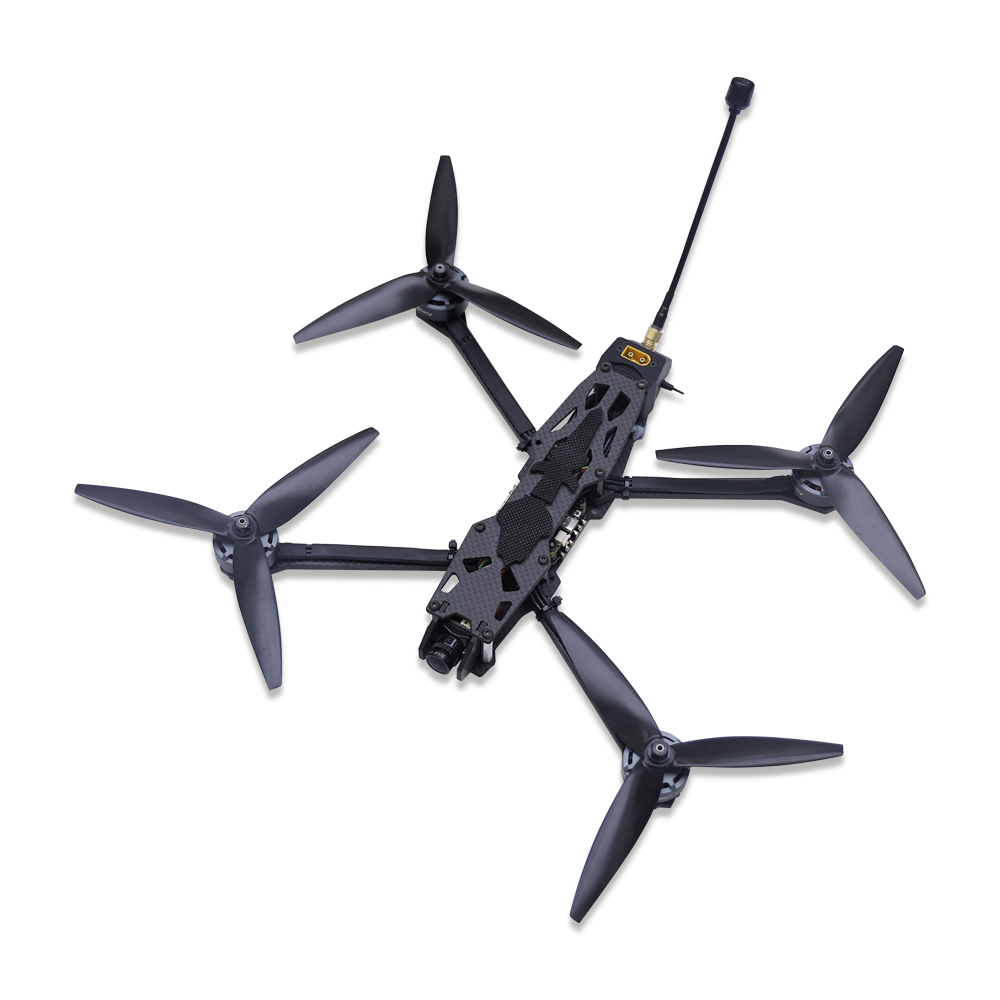
FPV unmanned aerial vehicle (UAV), that is, First-Person View drones, has become popular all over the world. It can provide an immersive flight experience and recreate the excitement of flying light aircraft, without the high cost, professional training and related risks required by traditional aviation.
Unlike the traditional aerial drone, the latter needs to be controlled by the "God's perspective" through a smartphone or a remote screen, and the FPV drone completely subverts this experience, making you feel like "being in the cockpit". Pilots wearing special FPV flying glasses can receive the images transmitted by the high-definition camera carried by the drone in real time, and see everything that the drone can reach with their own eyes-whether it is flying on the top of the mountains, shuttling through the streets of the city, or diving to the ground at high speed. This "WYSIWYG" control mode creates a sense of immersion, which is very similar to driving a small plane or helicopter.
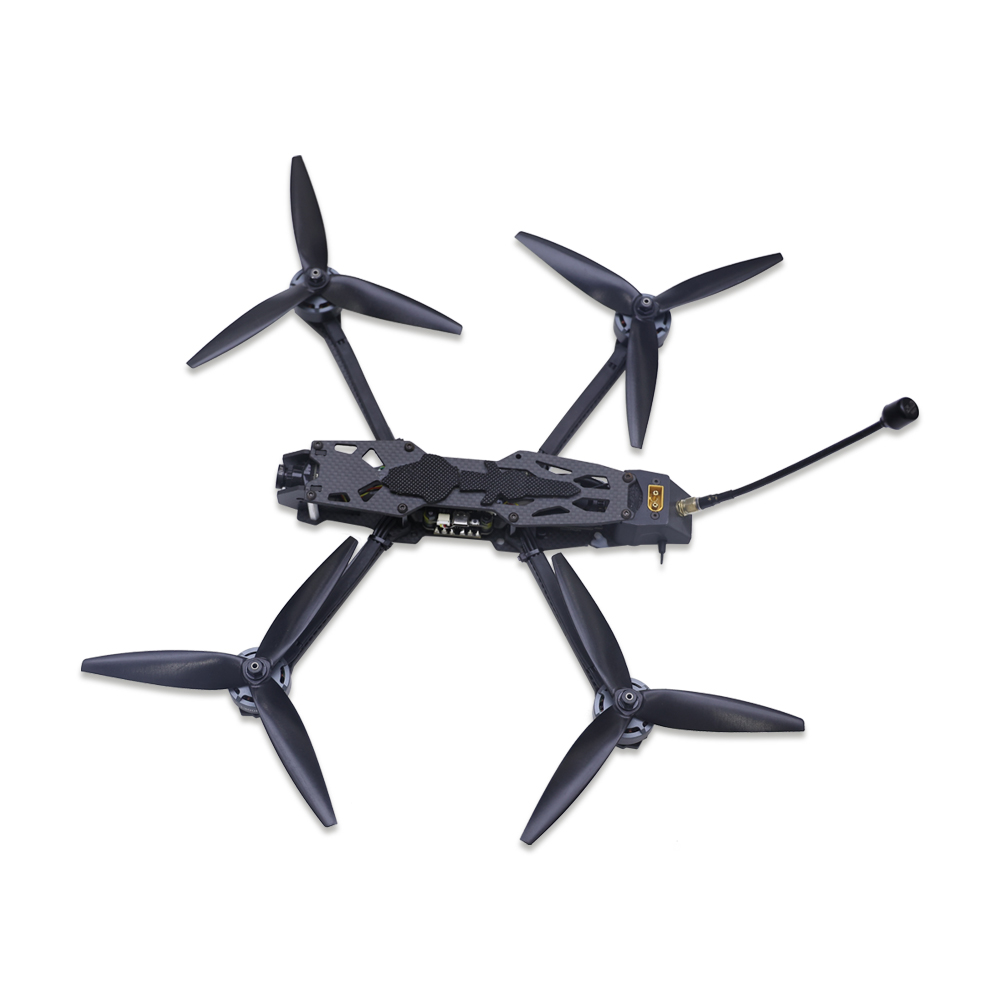
The core of this realistic experience lies in the advanced technology of drones. Top models such as DJI FPV have ultra-low delay image transmission function. In low delay mode, the delay can be as low as 28 milliseconds-the speed is fast, which makes the pilot's operation almost synchronous with the response of the drone, just like controlling a real aircraft. Many FPV UAVs can reach 140 kilometers (87 miles) per hour in the strongest mode, and their rapid acceleration performance perfectly reproduces the thrill of light aircraft taking off. The 150-degree ultra-wide viewing angle of the drone camera further enhances the sense of immersion, allowing the pilot to feel the breadth and depth of the surrounding sky, just like sitting in a cockpit with a wide windshield.
But FPV flight is not only a replica of real flight-it is often better in flexibility and accessibility. Traditional flight requires hundreds of hours of training, expensive licenses, and access to aircraft, while FPV drones only need a few hours of practice and anyone can easily get started. Even a novice can quickly learn to complete stunts such as flip, roll and sharp turn-these actions are either dangerous or impossible to achieve in most real aircraft. "It's like having unfettered freedom of flight," said mark davis, a professional FPV pilot and organizer of the drone racing event. "You can go to any place where airplanes can't reach-narrow canyons, abandoned buildings, and even high-speed flying close to the ground-every turn and dive, you can be there and feel the excitement."
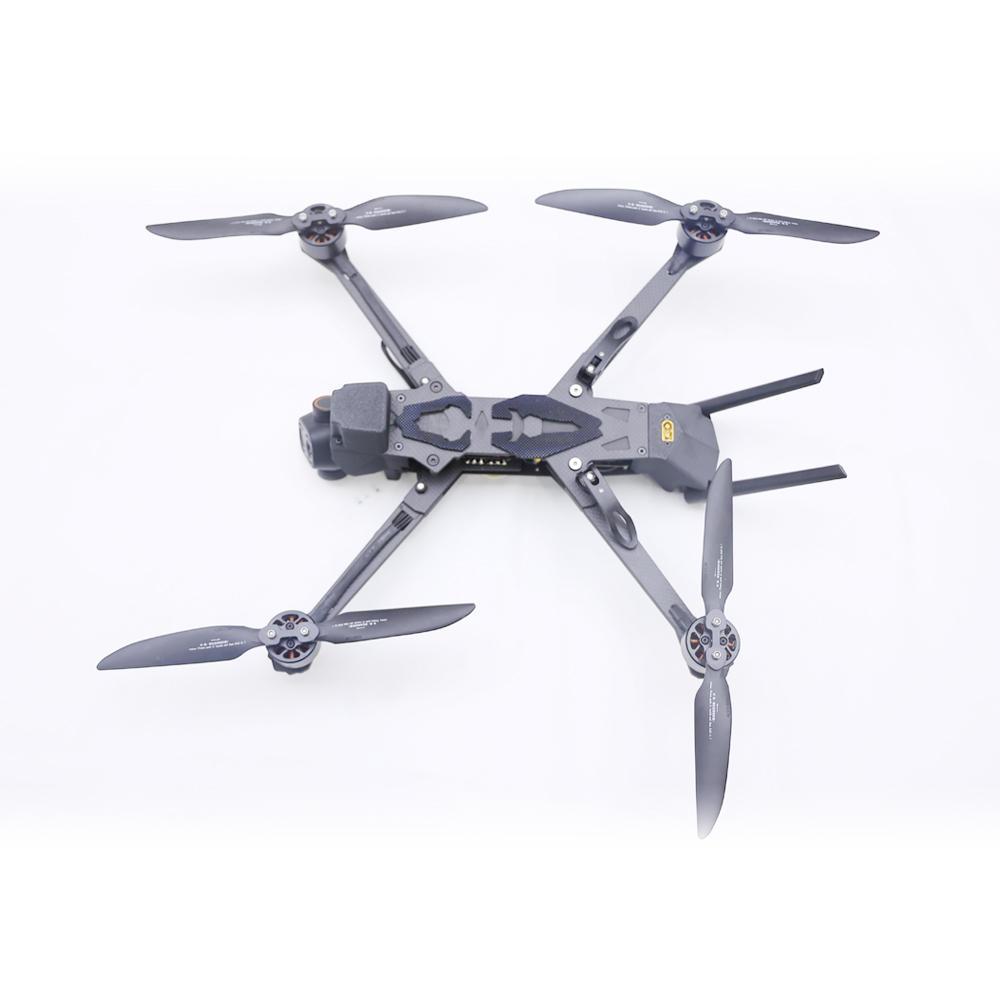
To get a deeper understanding of FPV UAV, we can disassemble its core components and performance: the UAV itself is usually light and compact, equipped with a durable fuselage frame (mostly made of carbon fiber), which can withstand a slight collision-this is a necessary feature for novices and aerobatics pilots. As a key part of the whole set of equipment, FPV flying glasses are equipped with high-resolution screen and adjustable settings to meet the visual needs of pilots. The refresh rate of some models is as high as 144 Hz, which can present smooth and unambiguous pictures. At the same time, the remote controller is specially designed for precise control and equipped with a sensitive rocker, so that the pilot can accurately control the speed, direction and height of the drone just like the control device of a real aircraft.
In addition to the exciting experience at the entertainment level, FPV UAV is also reshaping many professional fields, which proves that it is by no means a simple "toy". In the field of cinematography, it is used to capture dynamic and immersive shots that are difficult to achieve with traditional cameras-such as following a racing car at high speed, traveling through the forest, or shooting in concert venues. In search and rescue operations, FPV drones can fly into dangerous or inaccessible areas (such as collapsed buildings and remote mountainous areas) to find missing persons, so that rescuers can grasp the situation on the spot in real time and avoid being in danger. In addition, it is also used in industrial inspection to inspect wires, wind turbines and bridges from the point of view that human beings are difficult to reach or have potential safety hazards.
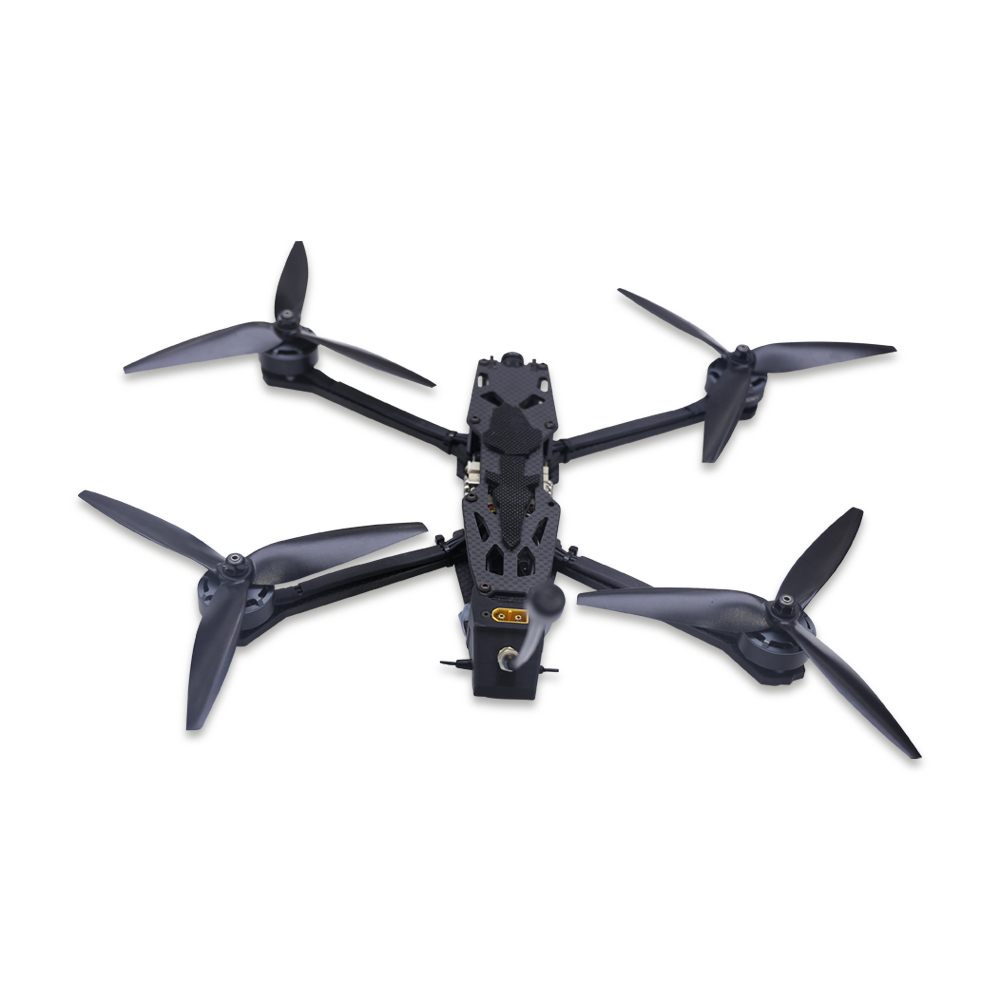
The global FPV market is booming. Industry forecasts show that the global FPV market will grow at a compound annual growth rate of 14.2% by 2035, driven by the growth of demand for immersive entertainment and professional applications. The United States is one of the core markets, which benefits from its huge drone enthusiasts, high demand for professional media production, and clear FPV flight supervision guidelines. In Europe, the European Aviation Safety Agency (EASA) has formulated FPV flight rules, allowing enthusiasts to fly safely in designated areas by taking appropriate precautions (such as providing visual observers).
Back to the original question: Is the flight experience of FPV UAV comparable to real flight? For most pilots, this is the closest experience to real flight-without the barriers of traditional aviation. It can provide the same pleasure, the same precise control and the same sense of freedom, all of which are concentrated in a small and economical device. Whether you are a fan looking for new excitement, a content creator who wants to capture shocking shots, or a professional who needs multifunctional tools, FPV drones are changing the way we experience flying.
With the continuous progress of technology-longer battery life, more powerful motor and lower delay-FPV UAV will become more realistic and easier to use. For everyone who has dreamed of flying, this is the best way to realize the dream of flying without stepping into the real cockpit. So, put on your flying glasses, start the drone and rush to the sky-your next adventure is only one flight away.