From the classification of aircraft types, FPV UAVs are mainly divided into two categories, and their requirements for GPS are completely different. The first category is the professional racing /DIY crossing machine, which is the pure FPV core model. This type of aircraft is the core selling point with extreme flexibility and high-speed control. It is mainly used for drone racing and freestyle aerobatics, and is the first choice for professional flying hands. In order to pursue light weight and control flexibility, this type of aircraft is usually not equipped with GPS module, and it is completely controlled by the flying hand through FPV flying glasses and remote control. There are no GPS-dependent functions such as automatic hovering and automatic return, which is closer to the experience of "pure manual flight". Its flight stability only depends on the inertial measurement unit (IMU) of the fuselage to maintain its attitude, which can test and highlight the flying hand's control skills to the greatest extent, and it is also the model that best reflects the charm of FPV's "hard-core flight".
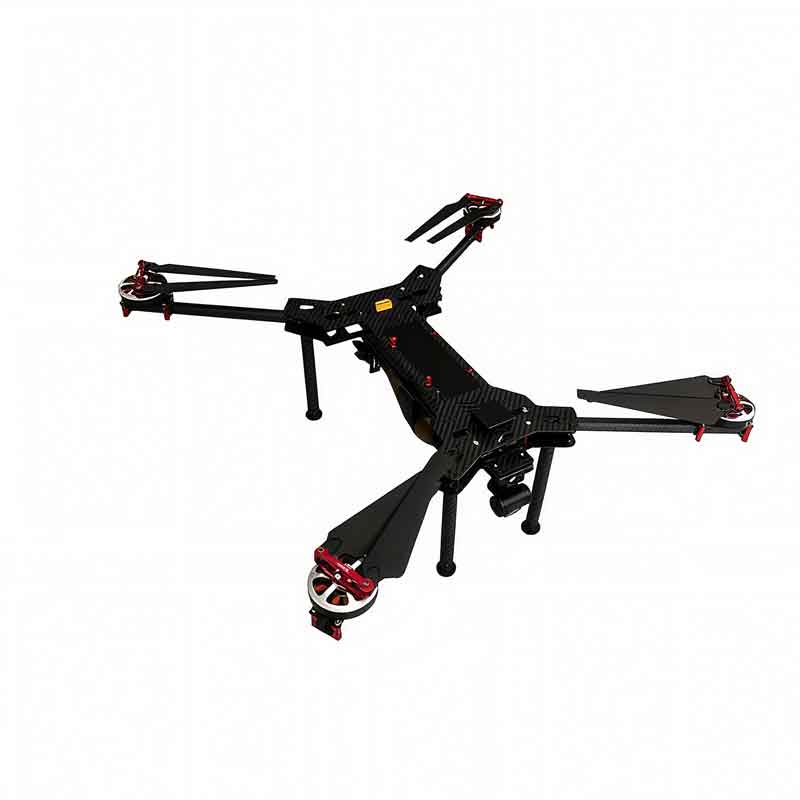
The second category is consumer entry/aerial photography FPV, represented by DJI FPV. This type of aircraft has both immersive flight experience and ease of use, and is mainly aimed at novices and content creators. In order to reduce the difficulty of novice operation and improve flight safety, this type of aircraft is usually equipped with GPS module by default or optional. The core function of GPS is to realize practical functions such as automatic hovering, fixed-point flight, automatic return, etc.-For example, when the pilot makes a mistake and the drone loses contact, it can automatically return to the takeoff point through GPS positioning, effectively avoiding the loss of the drone; The automatic hovering function allows novices to easily stabilize the drone and quickly adapt to the control rhythm. It should be noted that this type of aircraft also supports "manual mode" (pure FPV mode), which can turn off the GPS after being turned on, completely relying on manual control by flying hands, taking into account professional experience and entry requirements.
After answering the core questions of GPS, let's look at another hot topic: Is the flight experience of FPV UAV really like real flight? The answer is yes-"almost consistent with real flight, and even more advantageous in some aspects." This is also the core reason why FPV drones can quickly spread all over the world.
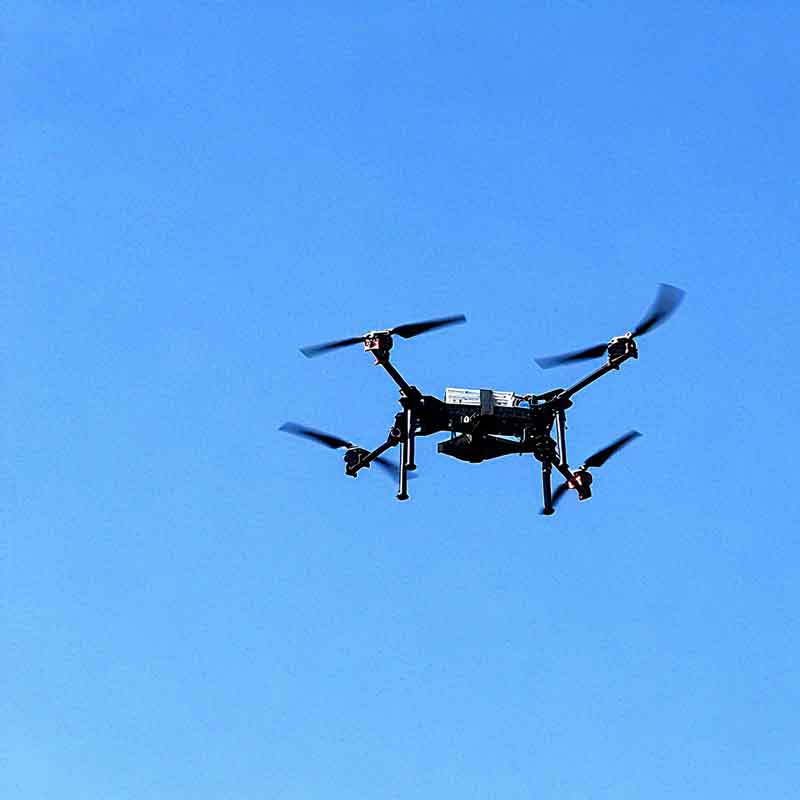
Different from the "God's perspective" of traditional aerial drones, the core highlight of FPV drones is the "first perspective immersion". Pilots only need to wear special FPV flying glasses to receive the images transmitted by the high-definition camera carried by the drone in real time, and see with their own eyes every scene that the drone arrives-whether it is flying on the top of the mountains, shuttling through the streets of the city, or diving to the ground at high speed, they can be immersive. This "WYSIWYG" control method is very similar to the experience of flying a small plane or helicopter, so that ordinary people can easily realize their "flying dream" without professional training and high cost.
This realistic flight experience is inseparable from the advanced technical support of FPV UAV. The top model has the function of ultra-low delay image transmission. In the low delay mode, the signal delay can be as low as 28 milliseconds, and the pilot's operation is almost synchronous with the response of the drone, completely simulating the control feel of the real aircraft; Many FPV UAVs can reach 140 kilometers (87 miles) per hour in the strongest mode, and the rapid acceleration performance accurately reproduces the thrill of light aircraft taking off; The 150 ultra-wide viewing angle camera allows the pilot to clearly feel the breadth and depth of the surrounding sky, just like sitting in a cockpit with a wide windshield.
What's more worth mentioning is that FPV flight is far more flexible and accessible than traditional flight. Traditional flight requires hundreds of hours of professional training, expensive flight licenses, and access to aircraft, while FPV drones only need a few hours of practice and anyone can get started quickly. Even a novice can easily learn to complete stunts such as flipping, rolling and sharp turning-these actions are either extremely risky or impossible to achieve in most real aircraft. "It's like having unfettered freedom to fly," said mark davis, a professional FPV pilot and the organizer of the drone racing event. "You can reach any place that the plane can't reach, and you can feel the extreme excitement of flying every turn and dive."
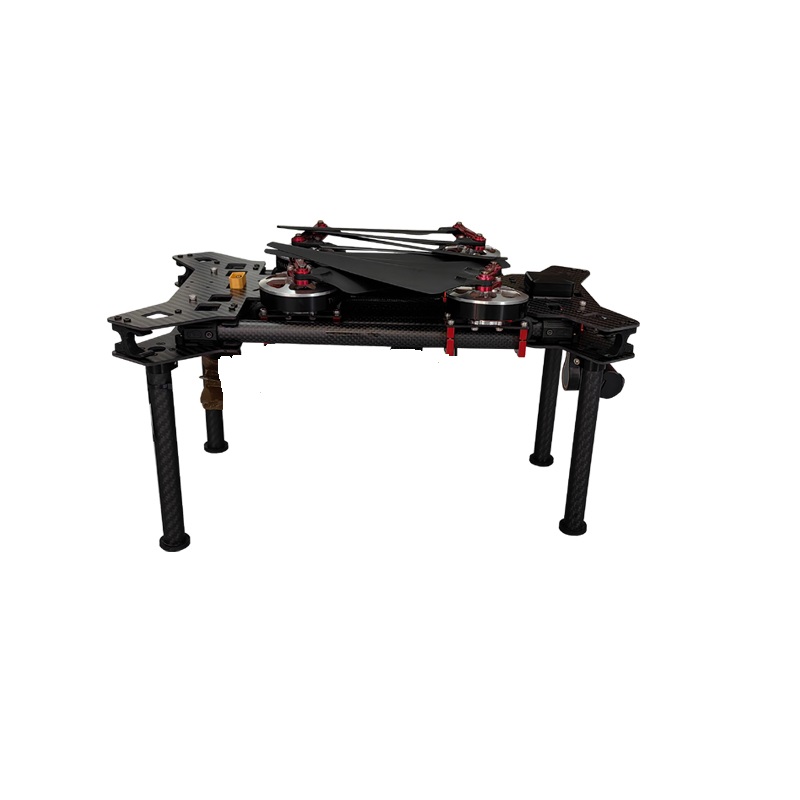
If we want to know more about FPV UAV, we can simply disassemble its core components: the UAV itself is usually light and compact, equipped with a durable carbon fiber fuselage frame, which can withstand minor collisions and meet the needs of novices and aerobatics; As a key equipment, FPV flying glasses are equipped with high-resolution screen and adjustable settings. Some models have a refresh rate of up to 144 Hz, presenting a smooth and unambiguous real-time picture. The remote control is designed for precise control, and the sensitive rocker allows the pilot to control the speed, direction and altitude as accurately as a real aircraft.
Nowadays, FPV UAV is no longer a simple "entertainment toy", but also plays an important role in many professional fields. In the field of film photography, it can capture the dynamic and immersive lens that is difficult for traditional cameras to achieve, and inject new vitality into film and television creation; In search and rescue operations, it can fly into dangerous or inaccessible areas such as collapsed buildings and remote mountainous areas to help rescuers locate missing persons and reduce rescue risks; In the field of industrial inspection, it can inspect wires, wind turbines and bridges from an unattainable angle, and improve the efficiency and safety of inspection.
At present, the global FPV market is in a booming stage. Industry forecasts show that the global FPV market will grow at a compound annual growth rate of 14.2% by 2035, driven by the increasing demand for immersive entertainment and professional applications. The United States is one of the core markets in the world, with a huge group of drone enthusiasts and clear regulatory guidelines, which provide strong support for its popularization; In Europe, the European Aviation Safety Agency (EASA) has formulated perfect flight rules for FPV, allowing enthusiasts to fly safely in designated areas and equipped with visual observers, which further promoted the spread of FPV culture.
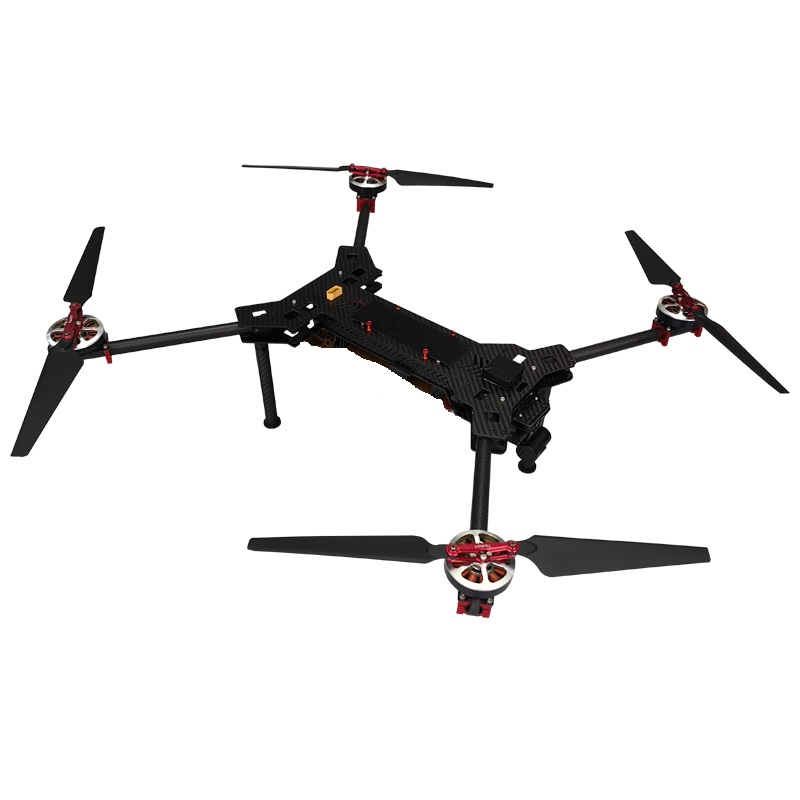
To sum up, the core charm of FPV UAV lies in its immersive experience comparable to real flight, and its flexible and diverse control methods-GPS is not an essential component, professional models focus on manual control, and GPS is not needed, and entry-level models are easier to use and safer. Whether you are a fan who pursues flight excitement, a content creator who wants to capture shocking shots, or a professional who needs multifunctional tools, FPV drones are redefining the way we experience flight.
With the continuous progress of technology, longer battery life, more powerful motor, lower image transmission delay and optimized adaptation of GPS technology will make FPV UAV more realistic and easier to use. For everyone who has dreamed of flying, this may be the best way to realize the dream of flying without stepping into the real cockpit-put on flying glasses, start the drone, and start your next flight adventure immediately.