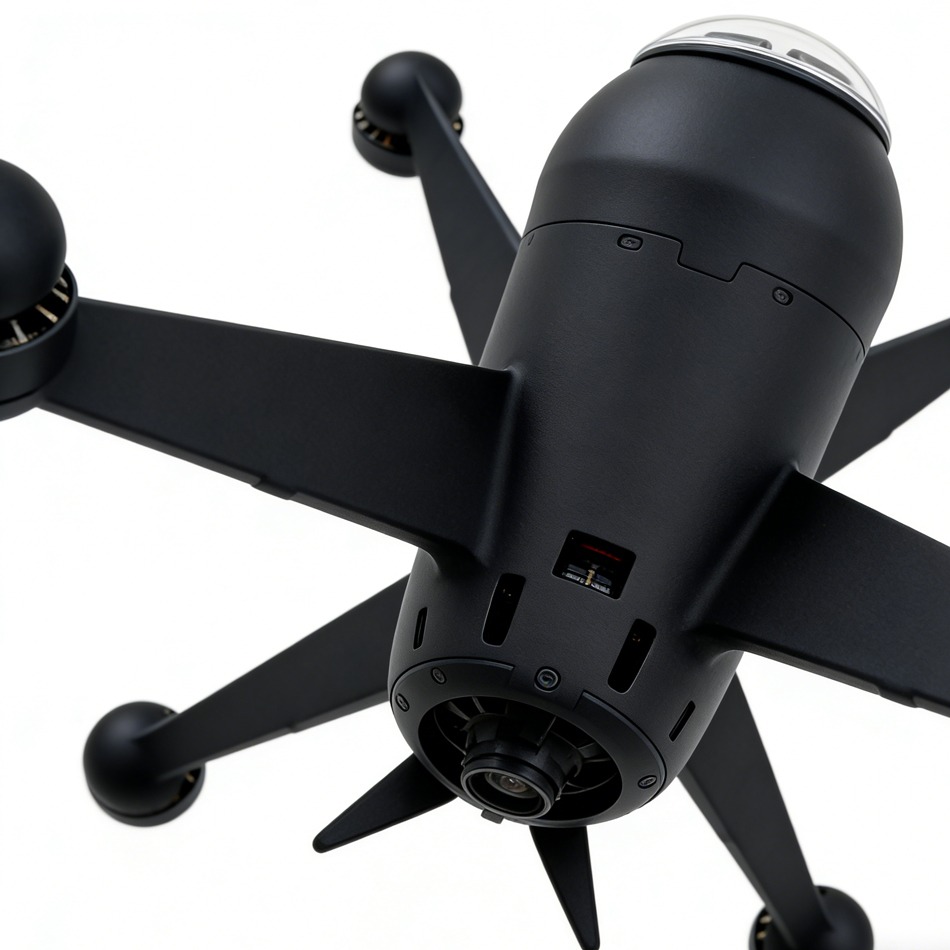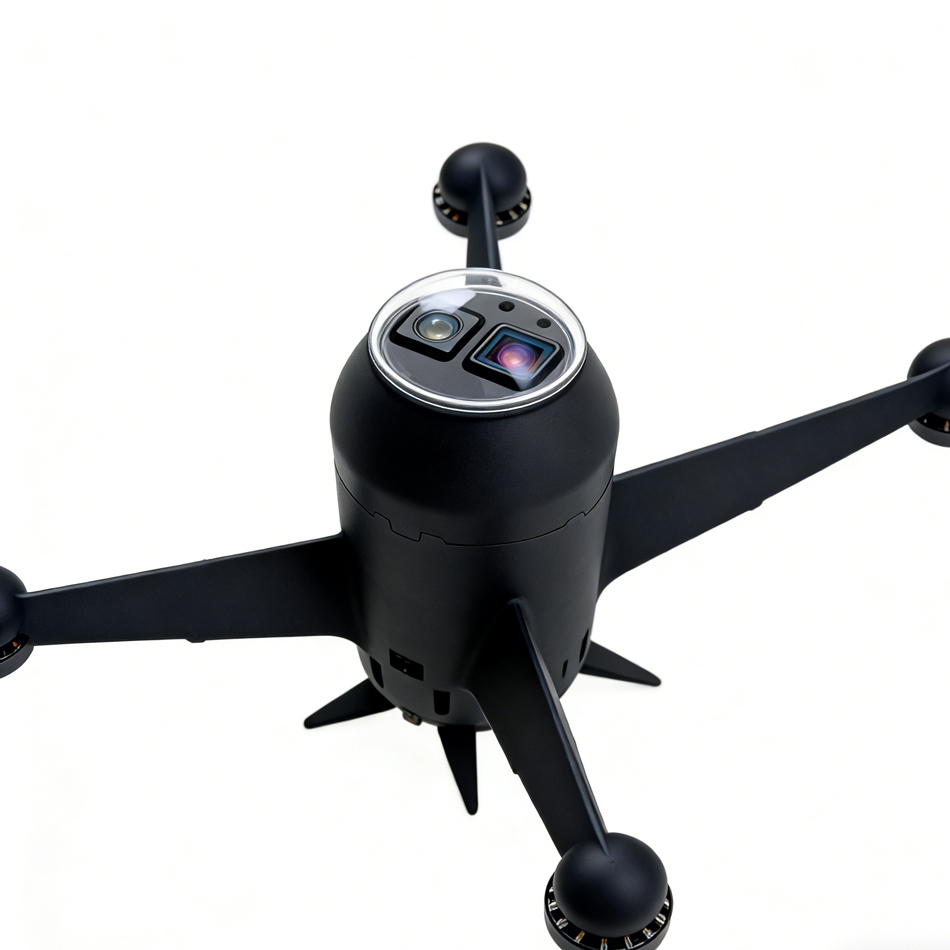
Unmanned aerial vehicle patrol, the full name of unmanned aerial vehicle patrol, refers to the modern operation mode of all-round, all-weather air patrol, real-time monitoring, abnormal early warning, on-site evidence collection and emergency linkage in designated areas by relying on unmanned aerial vehicles (UAVs) equipped with high-definition imaging equipment, infrared thermal imaging module, real-time image transmission system, AI intelligent identification chip and other core components, through manual remote control or automatic cruise of preset routes. To put it simply, it is to send "patrol personnel" into the sky, break the limitations of ground inspection from an air perspective, and build a three-dimensional inspection system integrating "air and ground" to completely solve many disadvantages of the traditional patrol mode.
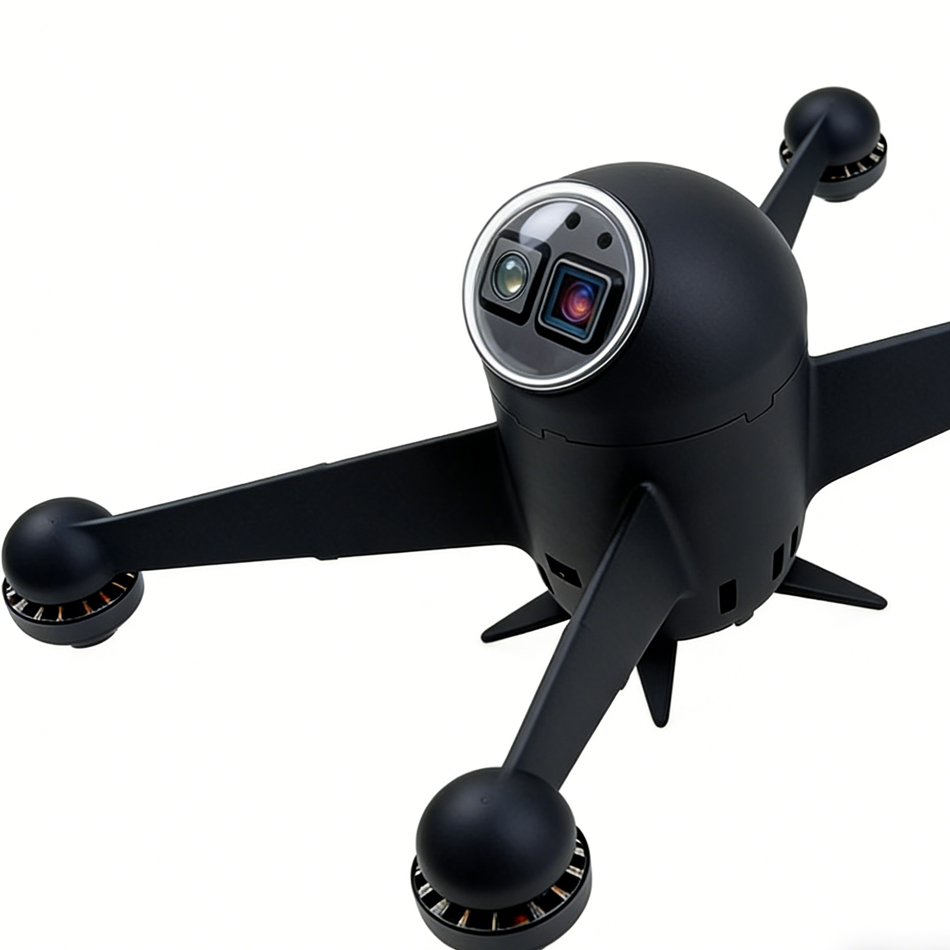
In terms of core hardware, UAV patrol equipment is equipped with high-definition visible light camera, infrared thermal imager, real-time image transmission module, GPS positioning system, battery life and AI intelligent identification terminal. Some high-end models can also be equipped with expansion components such as sound collection, smoke detection and material delivery to meet the inspection needs of different scenes. Among them, the high-definition camera can capture details for accurate evidence collection of violations and equipment failures; Infrared thermal imager can break through the light limit and accurately identify abnormal temperature and people gathering at night, in fog, in low light and other environments. The real-time image transmission module can synchronously transmit the scene images to the command center, and the transmission distance can reach 5-10 kilometers, which supports remote command and scheduling; The long-lasting battery can guarantee the continuous operation of the drone for 4-8 hours to meet the needs of large-scale and long-term patrols.
In terms of operation principle, UAV patrol is mainly divided into two modes: one is manual remote control mode, in which the operator remotely controls the flight trajectory and shooting angle of the UAV through the remote controller, conducts accurate inspections for key areas, and flexibly responds to emergencies; The second is the automatic cruise mode, in which operators preset patrol routes, patrol frequencies and key monitoring areas in advance in the system. The UAV can independently complete a series of operations such as take-off and landing, cruise, inspection, abnormal identification and automatic return, without manual full-time duty, greatly reducing the operating threshold and improving the patrol standardization level. The two modes can be flexibly switched to meet the inspection requirements of different scenes.
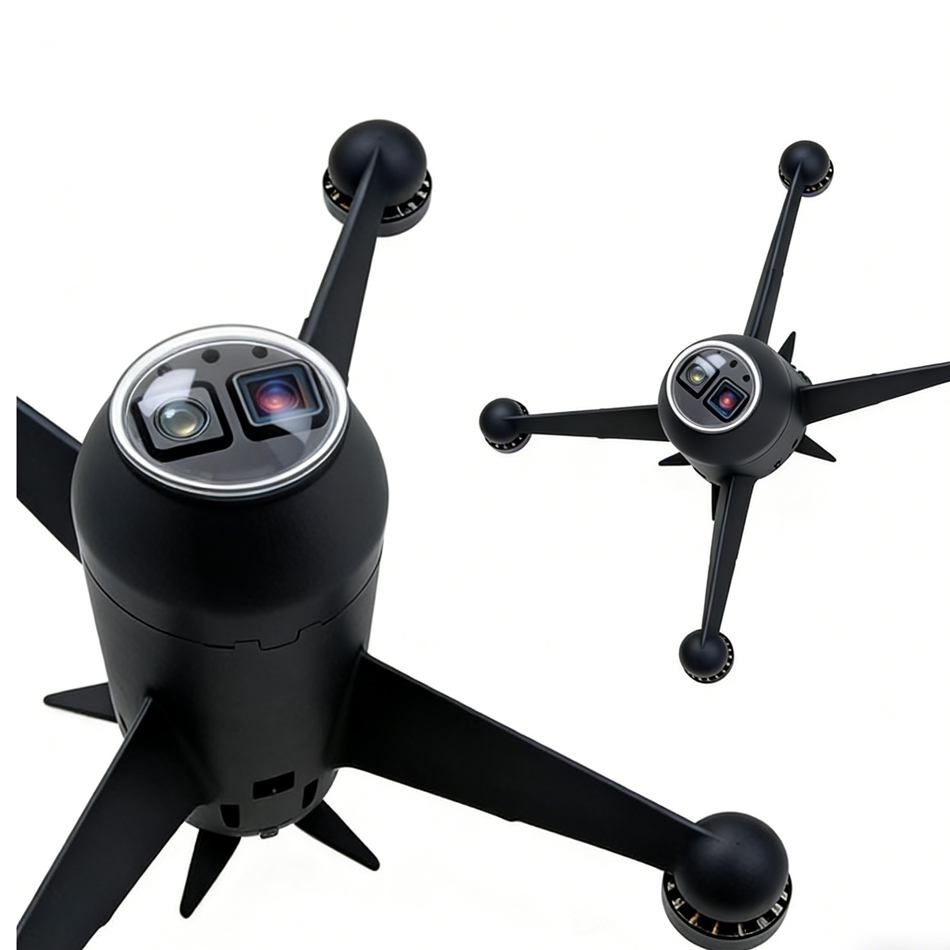
Traditional manual patrol is limited by terrain such as mountains, rivers, coastlines, high walls, jungles, etc., and many dangerous areas and remote areas cannot be reached, which is easy to form a blind spot for inspection. The drone patrol can freely fly over all kinds of complex terrain. Whether it is a long border, a vast industrial park, a towering transmission line or a dense forest, it can achieve all-round and dead-end inspections, completely eliminate hidden dangers and make security more comprehensive.
Manual patrol requires a lot of manpower and vehicles, which is not only high in labor cost, but also produces additional expenses such as vehicle loss and fuel consumption, and the patrol efficiency is low-the patrol area of a single man in one day is limited, while the patrol area of a single drone can reach more than 50 times that of manual patrol. The patrol task that originally required 10 people to complete in one day can be completed in 2-3 hours by one drone. At the same time, the UAV adopts high-efficiency and energy-saving batteries, so the subsequent maintenance cost is low. Long-term use can help various industries save 30%-60% of inspection costs, and the cost performance advantage is remarkable.
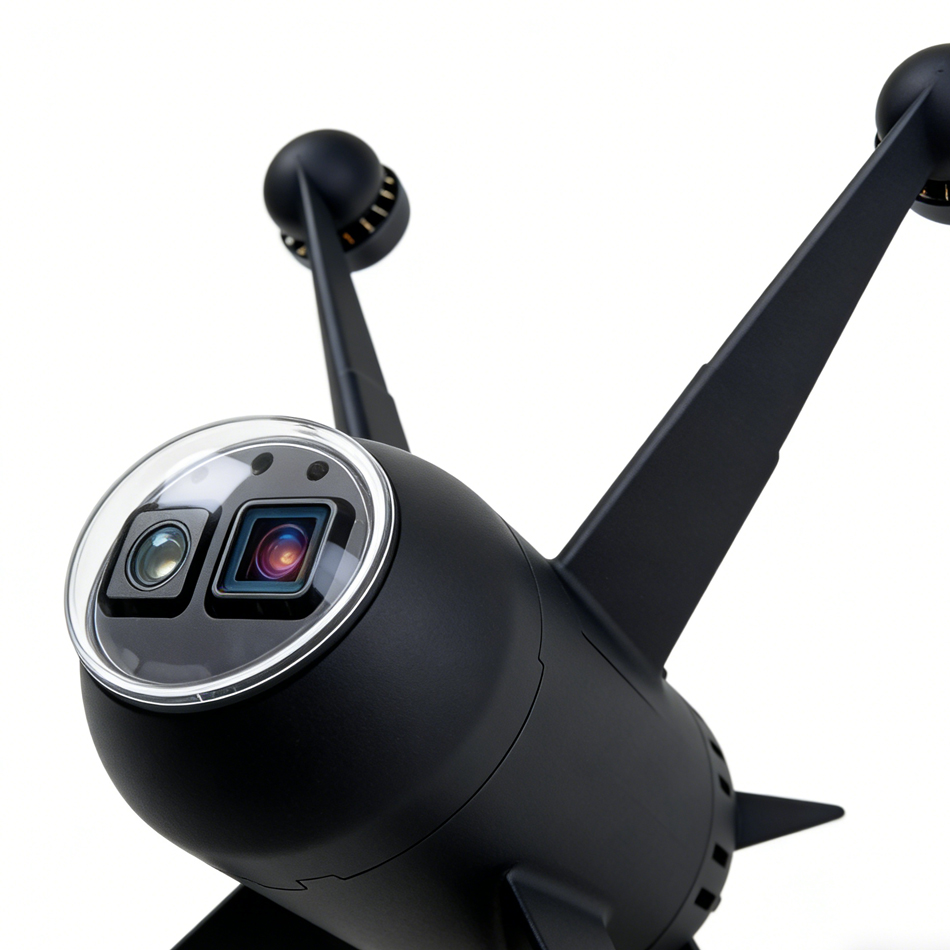
Traditional manual patrol is greatly influenced by light and weather. In bad environments such as night, fog, light rain, high temperature and severe cold, it is difficult to carry out patrol work normally, and it is easy to find hidden dangers. The drone patrol is equipped with a high-definition daylight camera and an infrared thermal imager, which can clearly capture the details of the scene during the day and realize infrared night vision at night. Even in complex environments such as weak light, fog and light rain, it can stably perform patrol tasks and truly realize 24-hour uninterrupted inspection to ensure uninterrupted security.
The UAV patrol is equipped with a high-definition real-time image transmission module, and the pictures of the patrol site can be transmitted to the command center in real time, so that relevant personnel can monitor the patrol situation remotely and in real time without visiting the site, and grasp the scene dynamics in time; At the same time, the AI intelligent identification system can automatically identify abnormal situations such as personnel gathering, illegal operation, fire, abnormal sound, foreign body invasion, etc., quickly issue an audible and visual warning, and simultaneously push the warning information to relevant responsible persons to realize "early detection, early warning and early disposal", which will nip potential safety hazards in the bud and greatly improve the efficiency of emergency response.
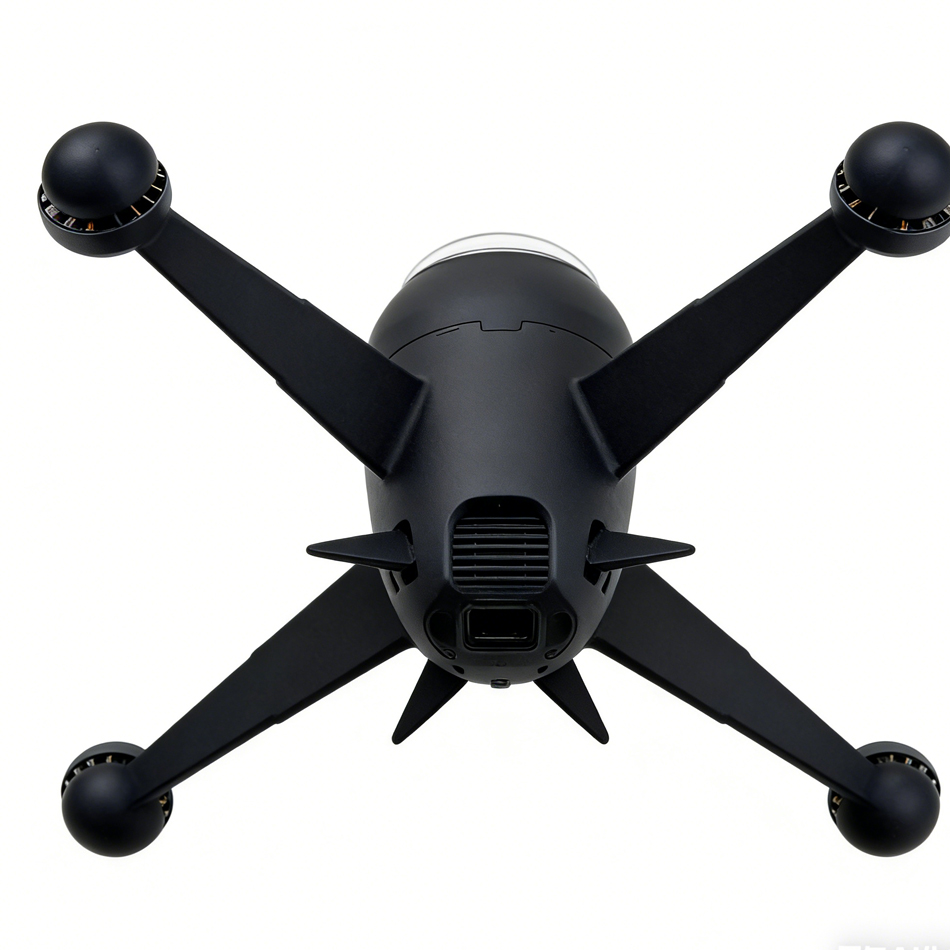
UAV patrol supports intelligent functions such as preset routes, automatic take-off and landing, regional cruise, continuous flight at breakpoints, automatic return, etc. Operators can get started after simple training without professional flight experience. For scenes that require long-term and high-frequency patrol, fixed patrol routes and patrol frequencies can be set to realize unattended automatic patrol, reduce manual operation errors, improve the standardization and standardization level of patrol, and further release labor costs.
With its core advantages of flexibility, efficiency and intelligence, UAV patrol has widely penetrated into many fields such as global security, industry, agriculture, transportation, forestry, emergency rescue, etc., and has become an important equipment for improving management efficiency and strengthening security in various industries, adapting to the differentiated inspection needs of different countries and industries, showing broad application prospects.
It is suitable for parks, factories, communities, commercial complexes, key cultural relics protection units, large-scale event sites and other scenes, realizing air alert, personnel control, illegal behavior investigation, anti-theft and anti-sabotage, replacing traditional security patrols and improving security level, especially suitable for all-round security needs of large places.
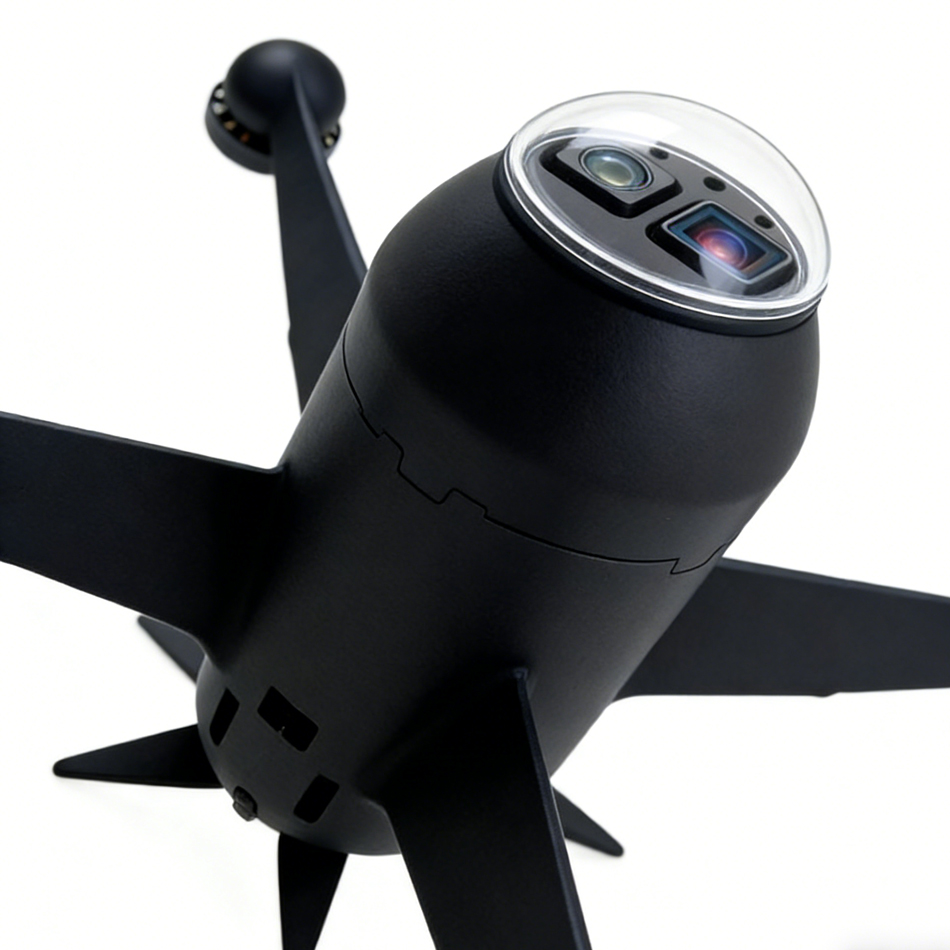
Focus on power inspection (transmission lines, substations, photovoltaic power plants, wind farms), oil and gas inspection (oil and gas pipelines, oil storage depots), railway/highway inspection (tracks, subgrade, bridges), port and dock inspection (dock operation area, storage park, ship docking area), which can quickly investigate equipment failures, line damage, illegal construction and other issues, reduce the risk of artificial aerial work, and improve inspection efficiency and safety.
Adapt to the scenes of farms, woodlands, pastures, nature reserves, etc., and realize farmland moisture monitoring, pest inspection, forest fire prevention inspection, ecological environment monitoring, illegal fishing/illegal logging inspection, help agricultural intelligent management and ecological environment protection, reduce the cost of manual inspection, and improve the level of refined management.
Adapt to urban roads, highways, airports, stations and other scenes, realize traffic congestion monitoring, illegal behavior inspection, accident scene investigation, road construction supervision, help smart city construction, improve traffic management efficiency and ease traffic pressure.
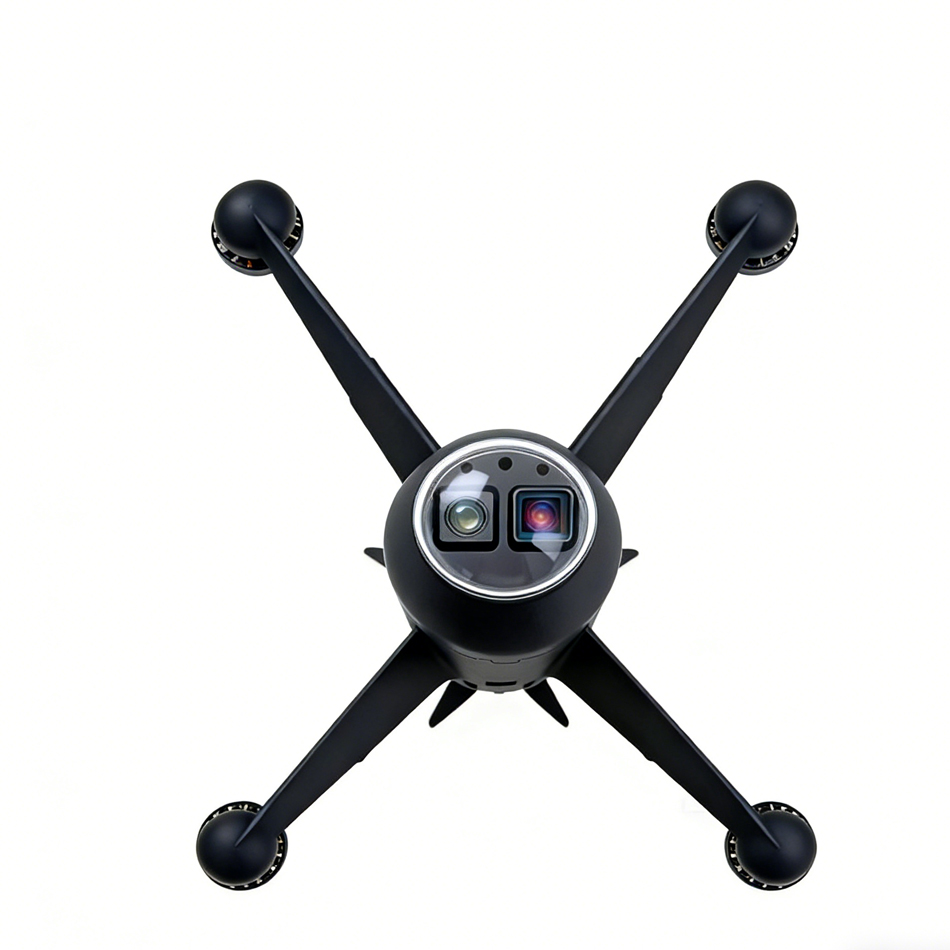
Adapting to natural disaster scenes such as earthquake, flood, fire and debris flow, as well as emergency scenes such as missing persons and sudden accidents, we can realize on-site investigation, personnel search, material delivery and on-site situation assessment, provide accurate data support for emergency command, improve rescue efficiency and reduce casualties and property losses.
Adapt to patrol the border and coastline, realize the investigation of illegal entry, illegal smuggling, illegal fishing and other acts, without the need for personnel to station in dangerous areas, improve the efficiency of border control and ensure border safety.
With the acceleration of global digitalization and intelligent transformation, UAV patrol is rapidly upgrading from "optional equipment" to "just-needed equipment" and has become an important part of smart security, smart city and smart industry. At present, the UAV patrol technology continues to iterate, and the endurance, image transmission distance and AI identification accuracy are constantly improved, and the deep integration with big data and cloud management systems is gradually realized, creating a modern inspection system with "air-ground integration, automatic cruise, intelligent early warning and full traceability".
Whether it is industrial production, urban management, ecological protection or emergency rescue, UAV patrol has redefined the modern patrol mode with its unique advantages, injecting new kinetic energy into the safe development and efficient operation of various industries around the world. It is believed that in the near future, UAV patrol will become the mainstream way in the field of global inspection, opening a new era of intelligent inspection.