Agricultural unmanned aerial vehicle (UAV), namely unmanned aerial vehicle (UAV) used in all aspects of agricultural production, works by remote control, preset flight procedures or AI autonomous navigation, and is equipped with professional devices that match agricultural needs. The core is to deeply combine aviation technology with agricultural needs to improve production efficiency, reduce operating costs and reduce manual labor, and adapt to the planting needs of different countries, different climates and different crops, forming a product system of "functional subdivision and full coverage of scenes", and all types of UAVs perform their respective duties.
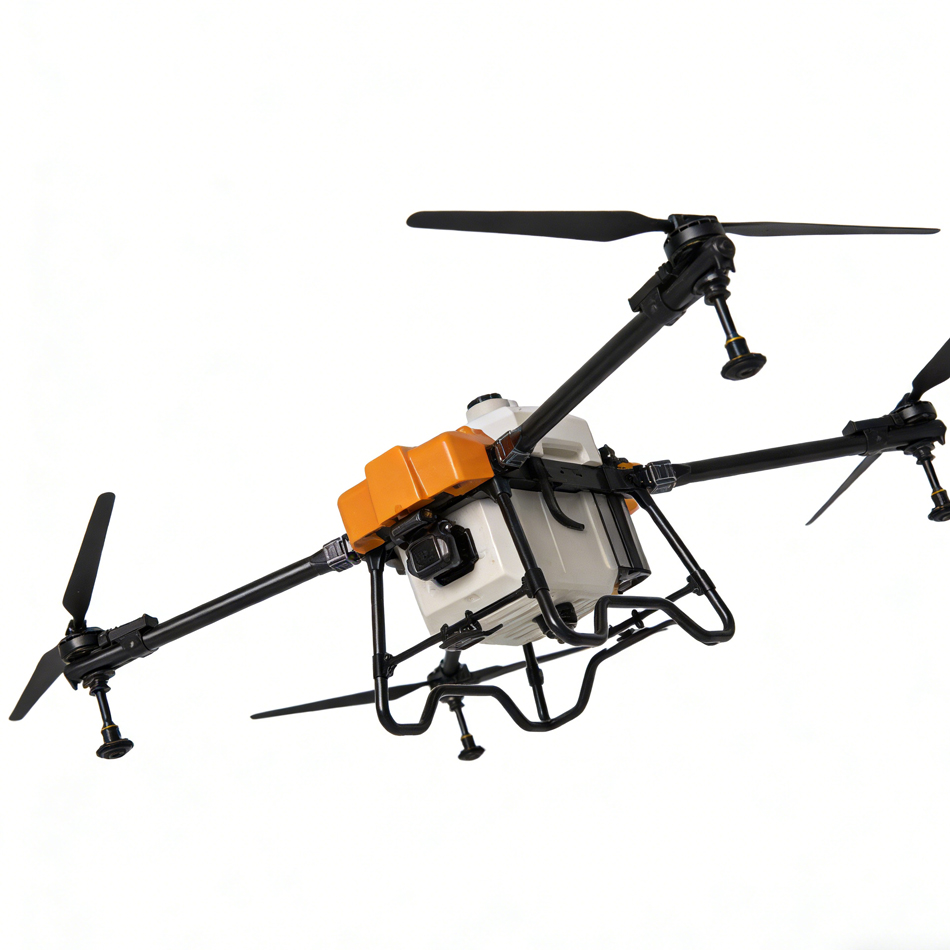
Plant protection UAV is the most widely used and mature UAV type in agriculture. Its core is used in field management such as pest control, foliar fertilization and crop growth regulator application. With the advantages of precise spraying and efficient operation, it has completely replaced the traditional manual spraying and vehicle spraying mode, and has become a necessary equipment for global large-scale planting, especially suitable for various crops such as rice, wheat, corn, cotton, fruits and vegetables.
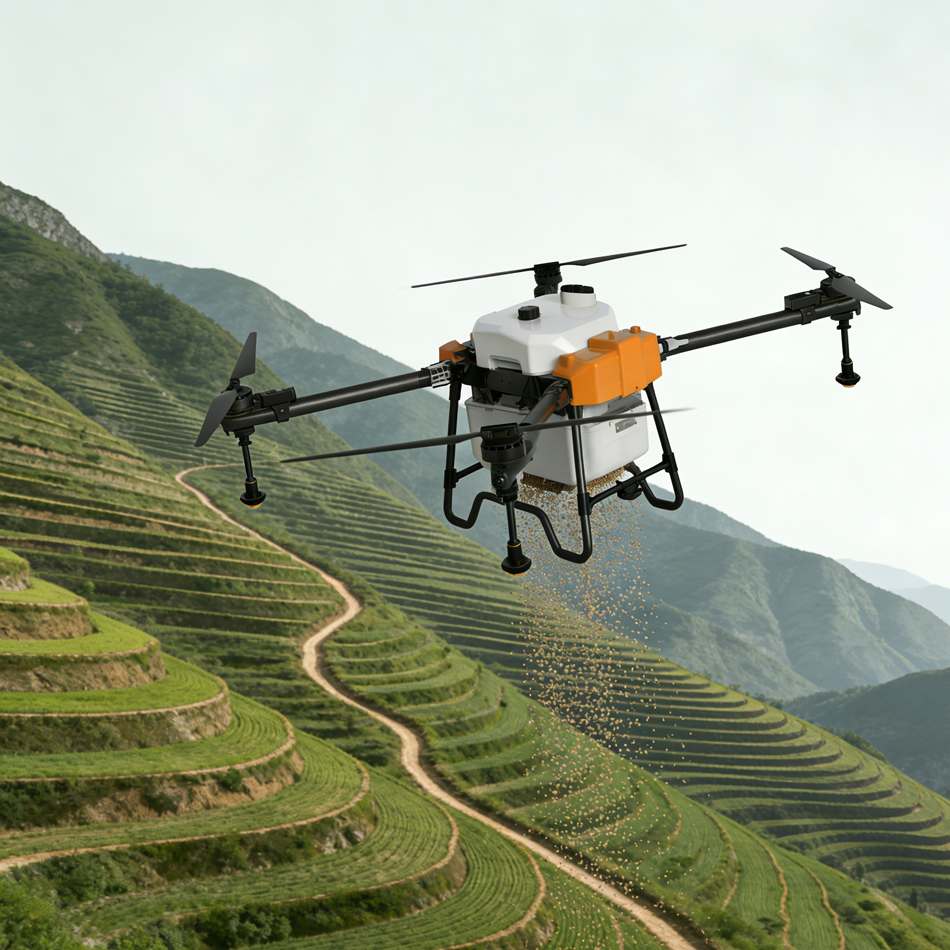
This kind of unmanned aerial vehicle is equipped with a special spraying system, which adopts centrifugal nozzle, electrostatic spraying and other technologies to realize the uniform deposition of pesticide and fertilizer droplets, increase the utilization rate of pesticides by more than 50%, and reduce the water consumption by 90%, effectively avoiding the problems of pesticide waste and environmental pollution in traditional spraying. At the same time, the plant protection drone can flexibly adjust the flying height and spray amplitude, adapt to different terrains such as plains, hills and terraces, avoid crop canopies, ensure that the liquid medicine is accurately attached to the front and back of crop leaves, and improve the control effect.
Seeding UAV is a special model developed for the pain point of low traditional sowing efficiency, serious seed waste and high labor cost. Its core is used for sowing rice, wheat, rape, soybean and other crops. Some models can integrate sowing and fertilization, and are suitable for various planting scenes such as plains, mountains and paddy fields, especially for areas with vast land and sparse population and large-scale planting.
This kind of UAV is equipped with a precision sowing system, and seeds and slow-release fertilizers are simultaneously sown into the soil through air jet technology. The error of sowing depth is controlled within 1 cm, and the emergence rate can reach over 92%, which is 5% higher than that of traditional machine sowing, and the utilization rate of seeds is increased by over 30%, effectively reducing seed waste. At the same time, the sowing drone can accurately adjust the sowing density and sowing range according to the farmland soil fertility and crop varieties, realize "sowing on demand" and lay a good foundation for the later growth of crops.
Compared with traditional manual sowing and mechanical sowing, the sowing drone can quickly complete large-area sowing operation without relying on ground roads, and the working efficiency is more than 50 times that of manual sowing, greatly shortening the cultivation period, especially suitable for crops with strong seasonality and need to be sown quickly. At present, this kind of UAV is widely used in large-scale planting areas such as soybean planting areas in Brazil, Russian cultivated land and granaries in northeast China, and it has become an important equipment to promote the efficiency of agricultural cultivation, and the export demand continues to rise.
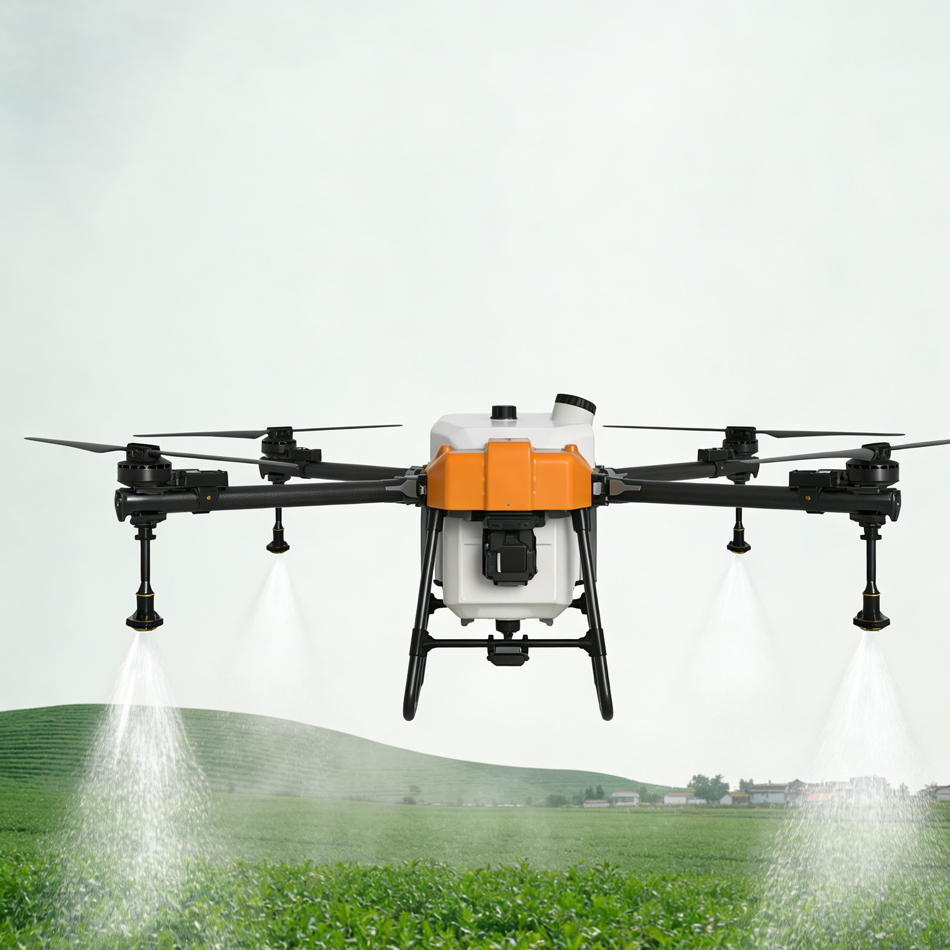
The monitoring drone, also known as the agricultural inspection drone, has the core function of information perception and data collection of farmland, which is equivalent to the "smart eye" of agricultural production. It is widely used in crop growth monitoring, pest warning, soil moisture detection, yield estimation and other links, providing data support for precision farming and scientific management, helping to realize "farming by data" and adapting to the whole growth cycle monitoring of various crops.
This kind of UAV is equipped with high-definition camera, multi-spectral sensor, infrared sensor and other equipment, which can collect crop spectral information, soil temperature and humidity, pH value and other data in real time. Among them, the multi-spectral sensor can accurately identify the change of chlorophyll content in crop leaves and warn pests and diseases 7-10 days in advance; The infrared sensor can monitor the difference of crop growth and the distribution of soil moisture at night, fog and other environments, and find out the areas lacking water and fertilizer in time. At the same time, the monitoring drone can quickly scan 10,000 mu of farmland, generate soil fertility distribution map and crop growth report, and provide accurate fertilization, irrigation and pest control programs for growers.
In the high-end agricultural market in Europe, the application of monitoring drones accounts for 64%, mainly used for fine monitoring of cash crops such as grapes, fruits and vegetables; In emerging agricultural markets such as Africa and Southeast Asia, monitoring drones help growers solve the problem of "farming by experience" and effectively improve crop yield and quality. With the advantages of intelligence and precision, this kind of UAV has become a potential category of agricultural UAV export, especially favored by high-end plantations and large-scale farms.
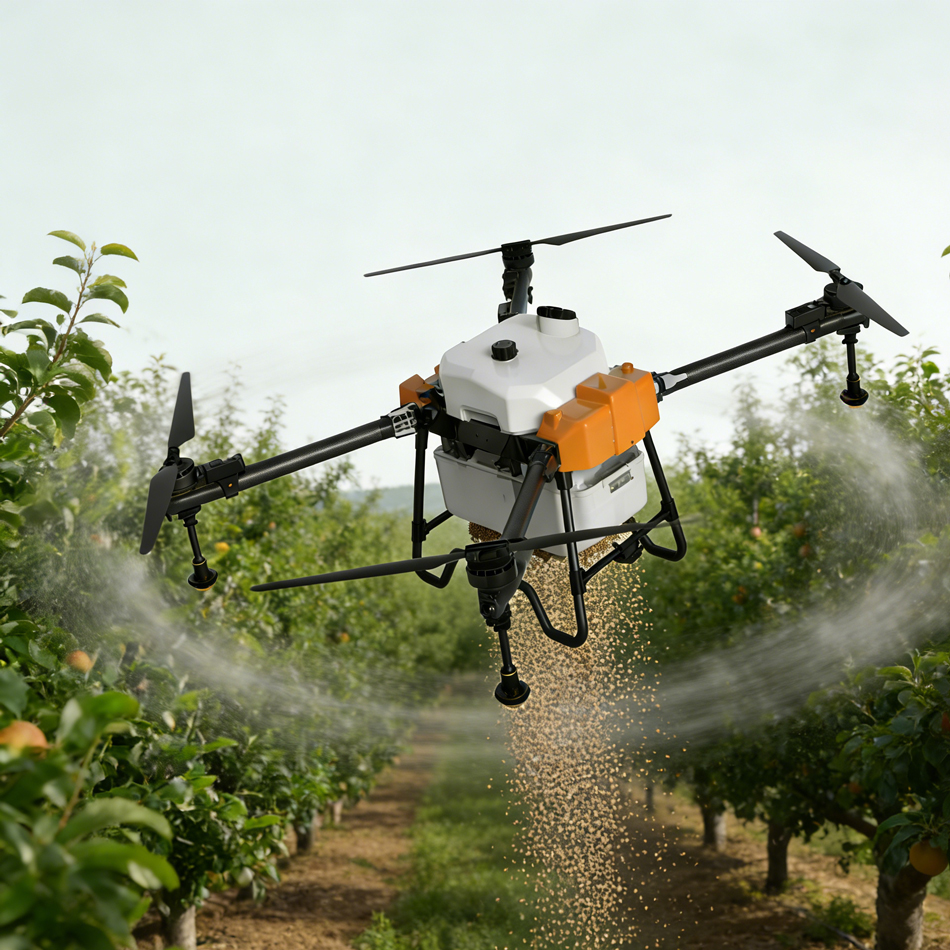
Pollination UAV is a subdivision model developed for fruit trees, hybrid crops and other pain points that are difficult to pollinate and have high artificial pollination cost. Its core is used for pollination of fruit trees, vegetables, hybrid rice and other crops, especially suitable for scenes where bee pollination is difficult and artificial pollination efficiency is low, which can effectively improve the success rate of pollination and increase crop yield.
This kind of UAV is equipped with a special pollination device, which uses the airflow disturbance generated by the propeller to spread the pollen evenly. The pollination efficiency is more than 20 times that of manual work, and the outcrossing seed setting rate is increased by 18%. Compared with artificial pollination, the pollination drone can realize large-area and uniform pollination, avoid the damage to crop flowers in the process of artificial pollination, and at the same time, it is not limited by weather and time, and can quickly complete the operation in a suitable pollination time period, especially suitable for crops such as cherries, apples, pears and hybrid rice.
At present, pollination drones have been widely used in Japanese orchards, hybrid rice planting areas in China, fruit and vegetable plantations in Southeast Asia, effectively solving the problems of untimely and uneven pollination caused by labor shortage, helping growers to improve crop yield and quality. With the expansion of global economic crop planting area, their export demand is gradually increasing.
Among them, the agricultural mapping drone is equipped with laser radar and other equipment, which can generate a three-dimensional model of farmland with centimeter-level accuracy, provide basic data for land leveling, irrigation channel design and farmland planning, and is widely used in Hexi Corridor in Gansu, Australian farms and other areas to help growers optimize the layout of fields and improve the utilization rate of irrigation water; The animal husbandry management drone is used for livestock statistics and disease early warning in grasslands and pastures. The number of cattle and sheep is counted by thermal imaging technology, and the error rate is less than 2%. It can also monitor the posture of livestock, warn the risk of disease, and adapt to animal husbandry scenes such as Inner Mongolia grassland and Qinghai-Tibet Plateau. The emergency relief drone is used for agricultural disaster assessment. After typhoons, floods, fires and other disasters, it can quickly draw the distribution map of farmland disasters, assess the degree of crop flooding and damage, provide accurate data for disaster disposal and insurance claims, and help reduce agricultural losses.
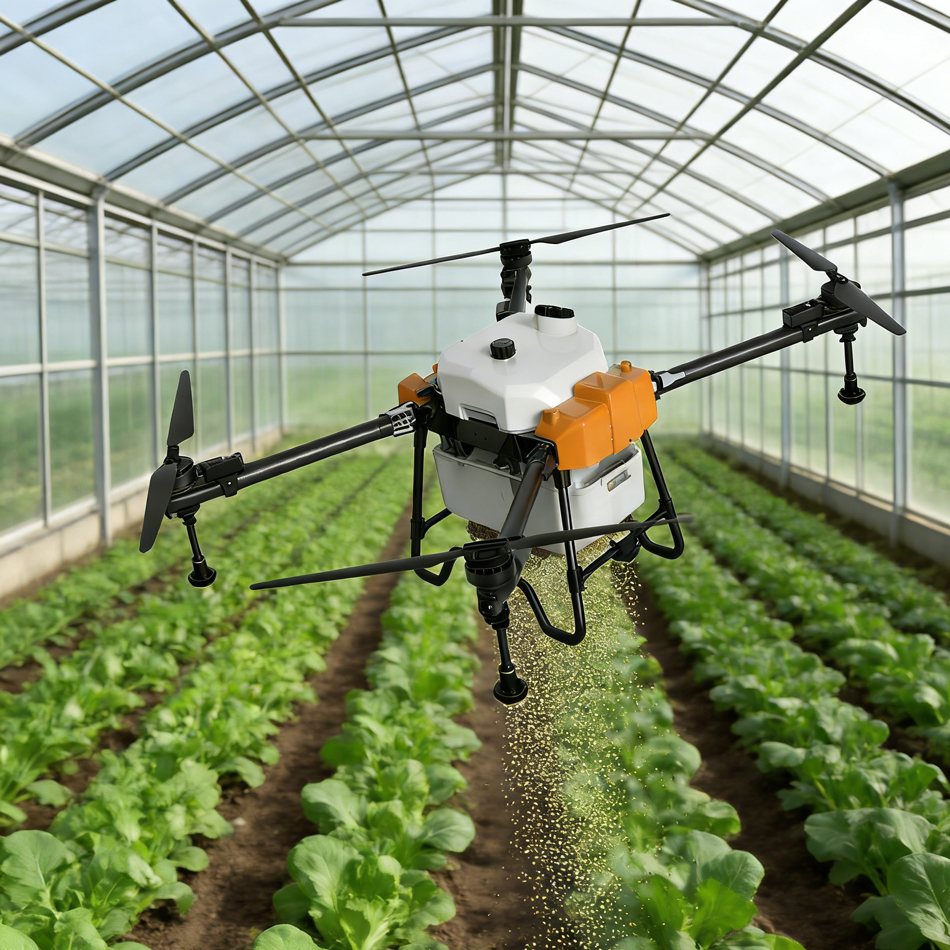
At present, global agriculture is accelerating the transformation to precision, green and intelligence, and the common pain points such as labor shortage and urgent demand for refined management have promoted the continuous expansion of application scenarios of agricultural drones, and the market demand has continued to climb. According to the data, the number of agricultural drones in China exceeds 300,000, accounting for 61.3% of the global total of 520,000, and the annual operating area exceeds 460 million mu, accounting for more than 75% of the global workload. China brands such as DJI and Feifei together account for 70%-80% of the global market share, forming a duopoly-dominated competition pattern.
In the future, with the deep integration of AI intelligent identification, big data, cloud management and other technologies with agricultural drones, agricultural drones will realize the leap from "data collectors" to "production managers", and the application scenarios will be further expanded. The functions will be more refined and intelligent. As an important equipment to promote global agricultural modernization, agricultural drones will continue to lead the foreign trade export market, inject new kinetic energy into global agricultural cost reduction, efficiency improvement and green development, and help more countries realize smart farming transformation.