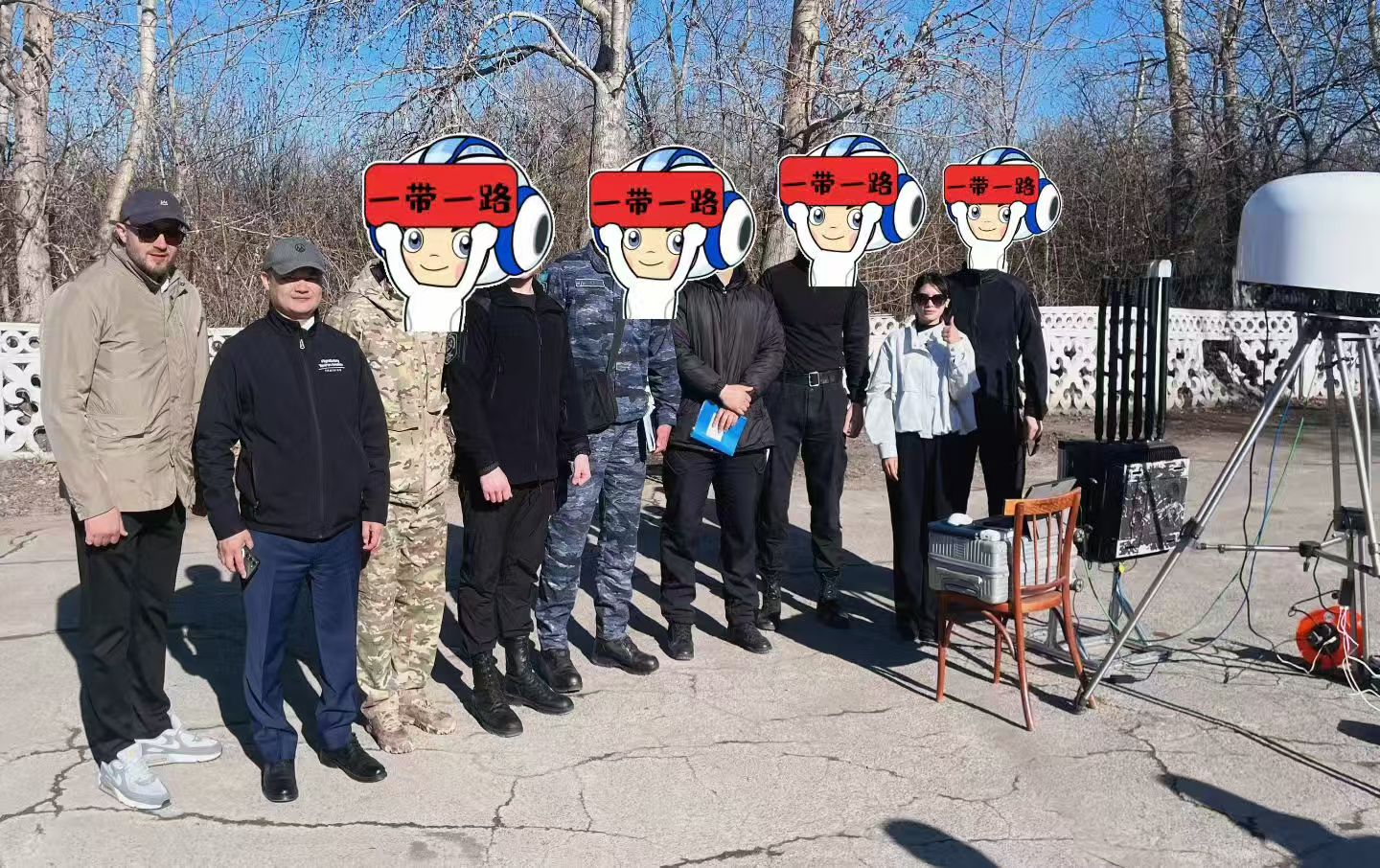
Drones are cheap enough now that you see them everywhere. That's mostly a good thing for people flying them. For an airport, though, each one that pops up near a runway is a potential problem. A small quadcopter in the wrong bit of airspace can hold up a flight, screw with navigation signals, or in the worst case cause a serious accident. Kostanay International Airport runs passenger flights, cargo, connections across the region. It also sits right along what used to be the old Silk Road, which we thought was a nice bit of context — old route, new tech. As a key hub in the north of the country, they simply couldn't leave low-altitude protection to chance. So they called us in. What they really wanted was simple: a system that just runs, day and night, without needing a guy watching a screen every minute.
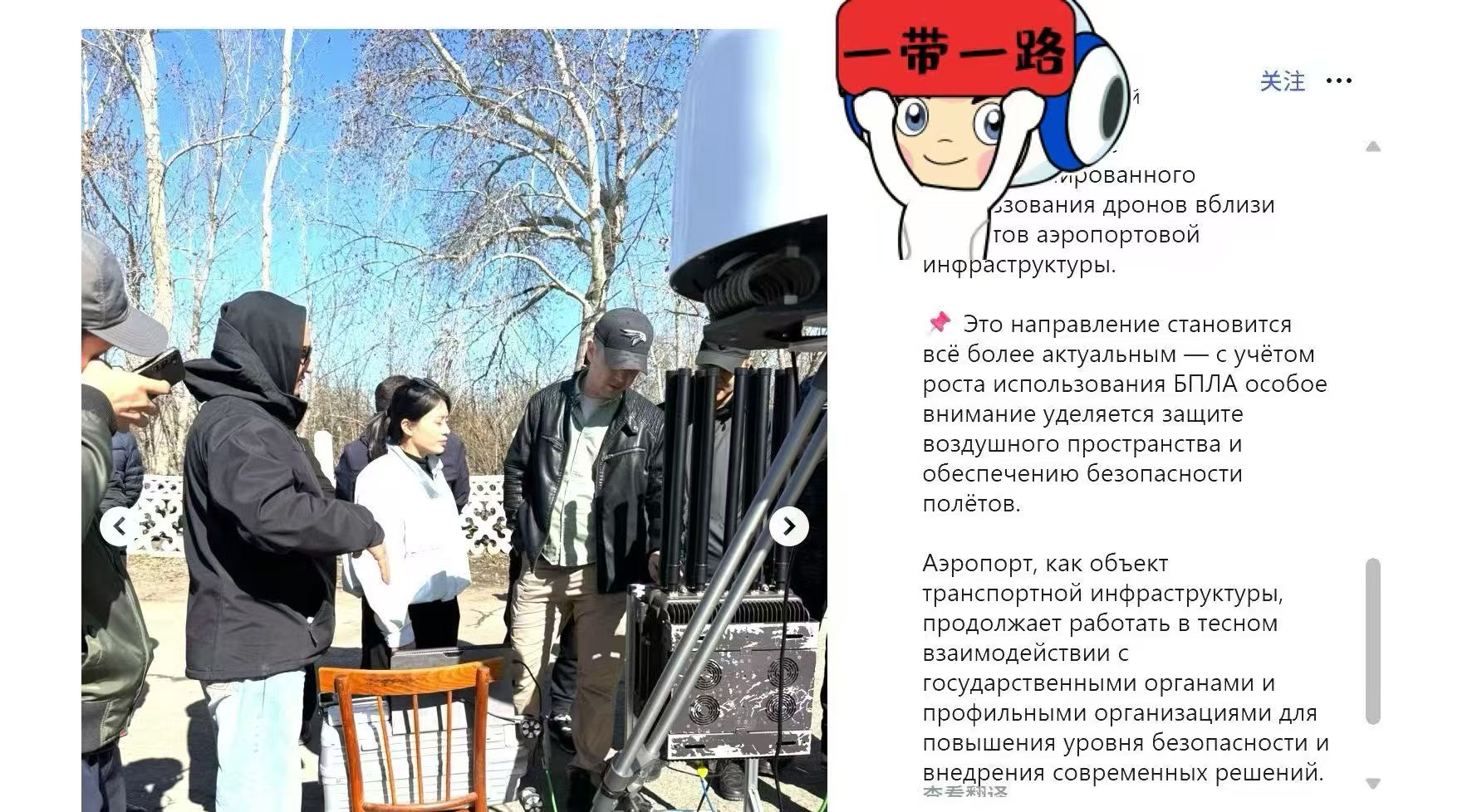
That's where our system came in. It doesn't lean on just one method. The setup we put in at Kostanay combines six: radar detection, electro-optical tracking, laser countermeasures,coordinate spoofing,high-power microwave,and electromagnetic jamming.Radar plus RF sensors scan the perimeter without pause and flag a suspicious target in milliseconds. Once a drone is spotted, the optical tracker locks onto it, maps the flight path, and can locate the pilot's position. The jamming is tuned to gently bring the drone down or send it home — no need to interfere with the airport's own comms or navigation frequencies. Air traffic control doesn't get pulled into anything.
Throughout the drills and technical discussions, the system did its job. It reacted quickly, handled the test intrusions properly, and showed it could manage the airport's day-to-day security workload. The feedback from airport management and the local authorities was positive — it met the requirements they'd set, with no surprises.
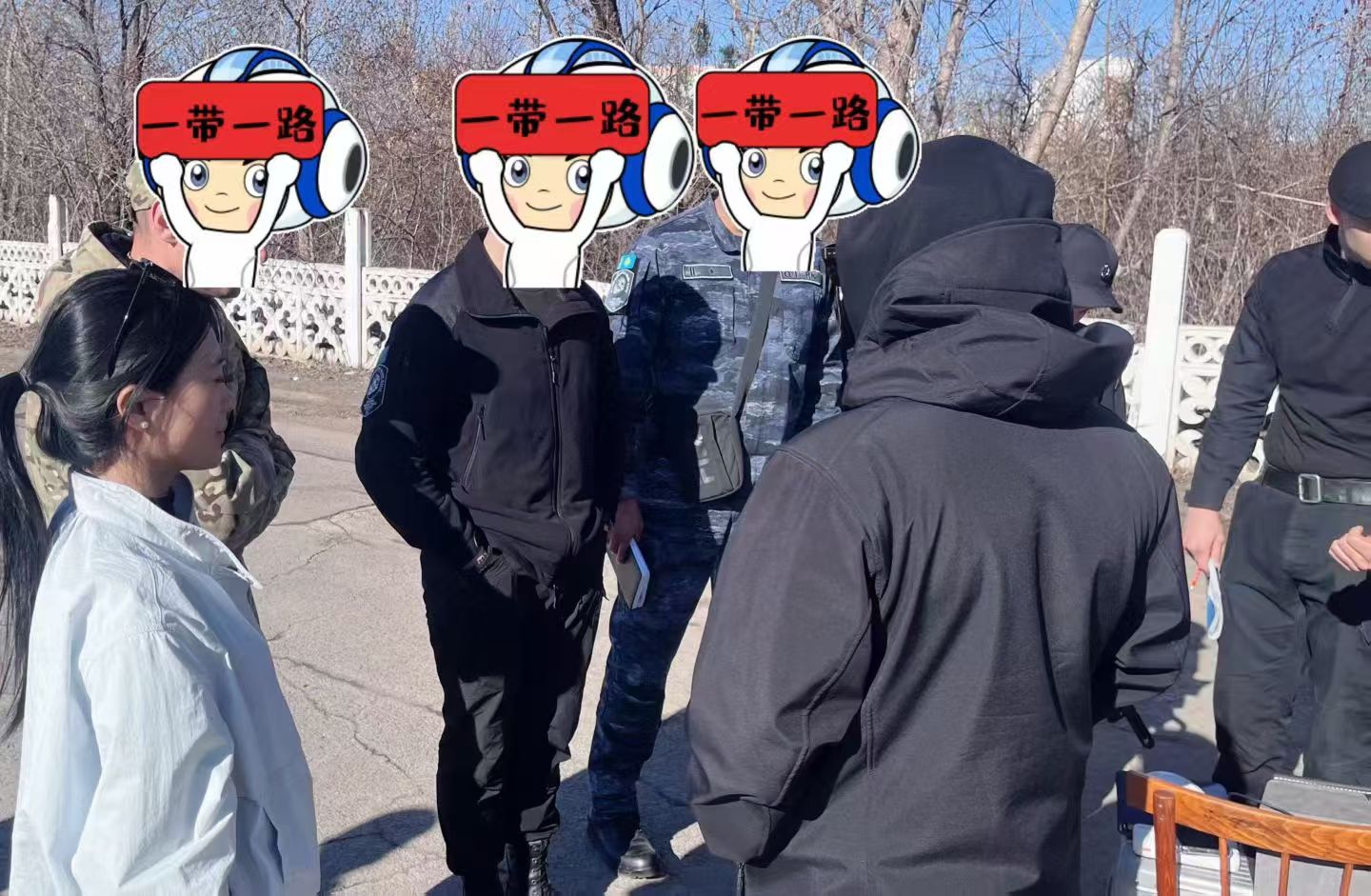
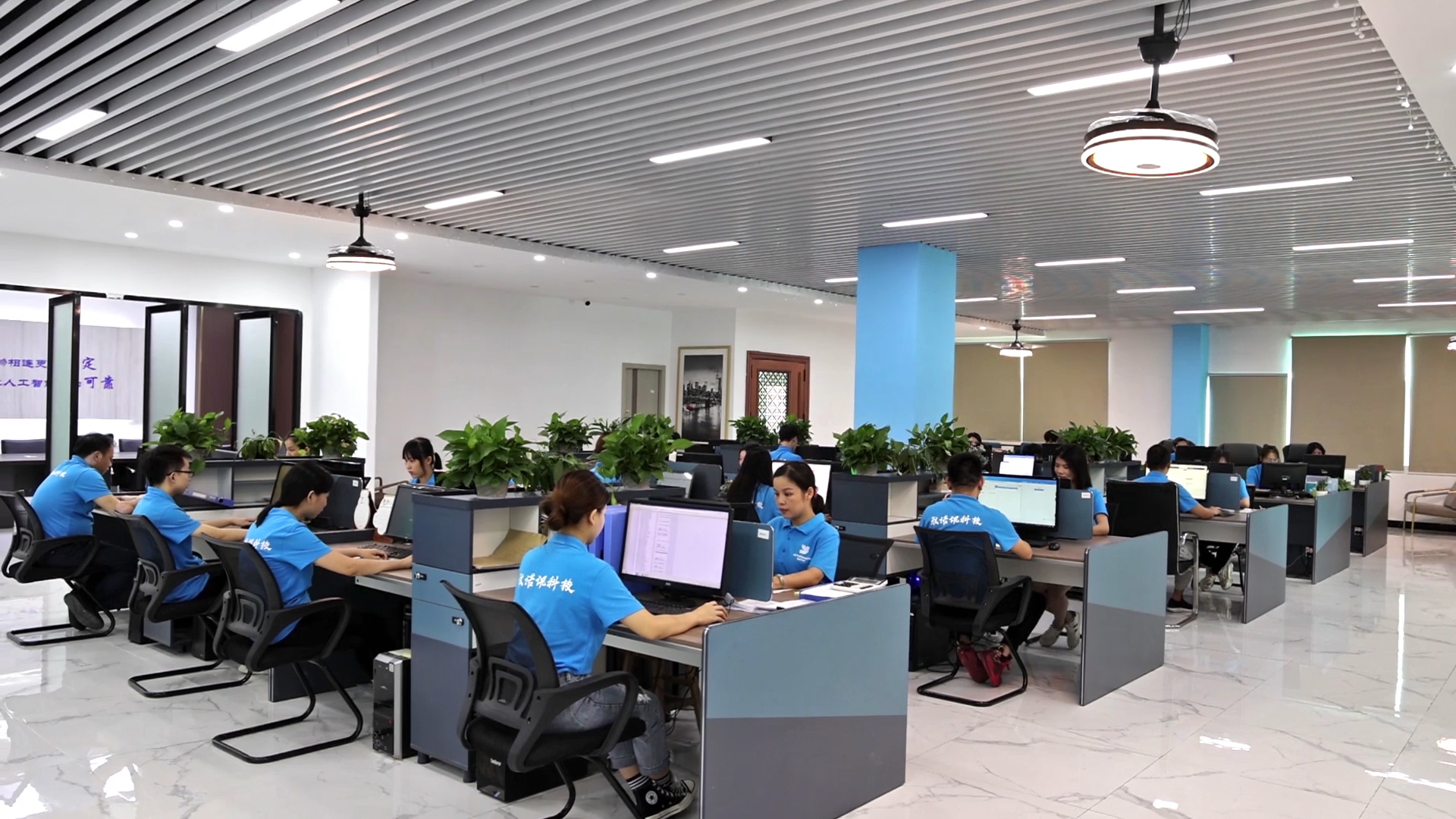
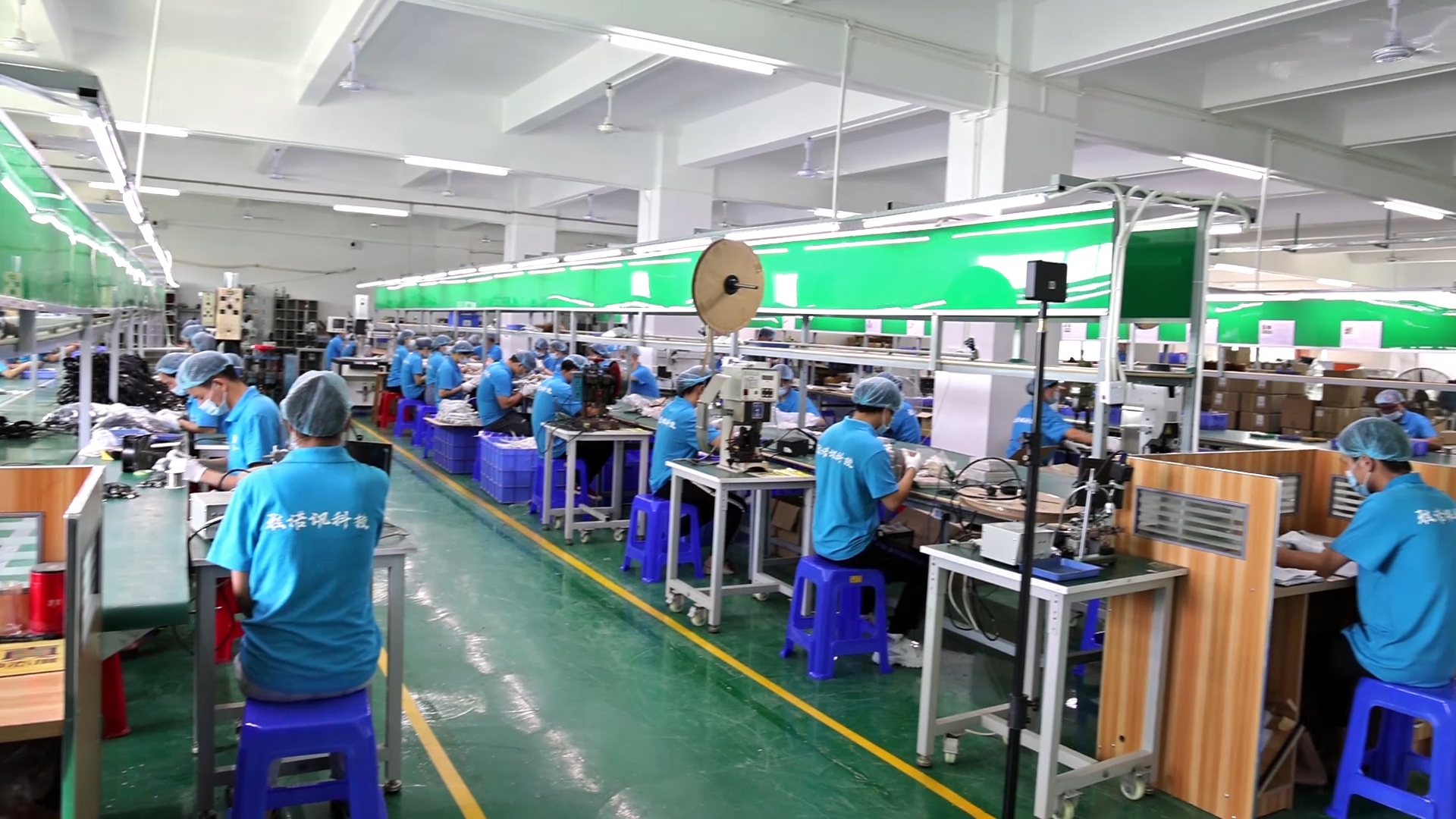
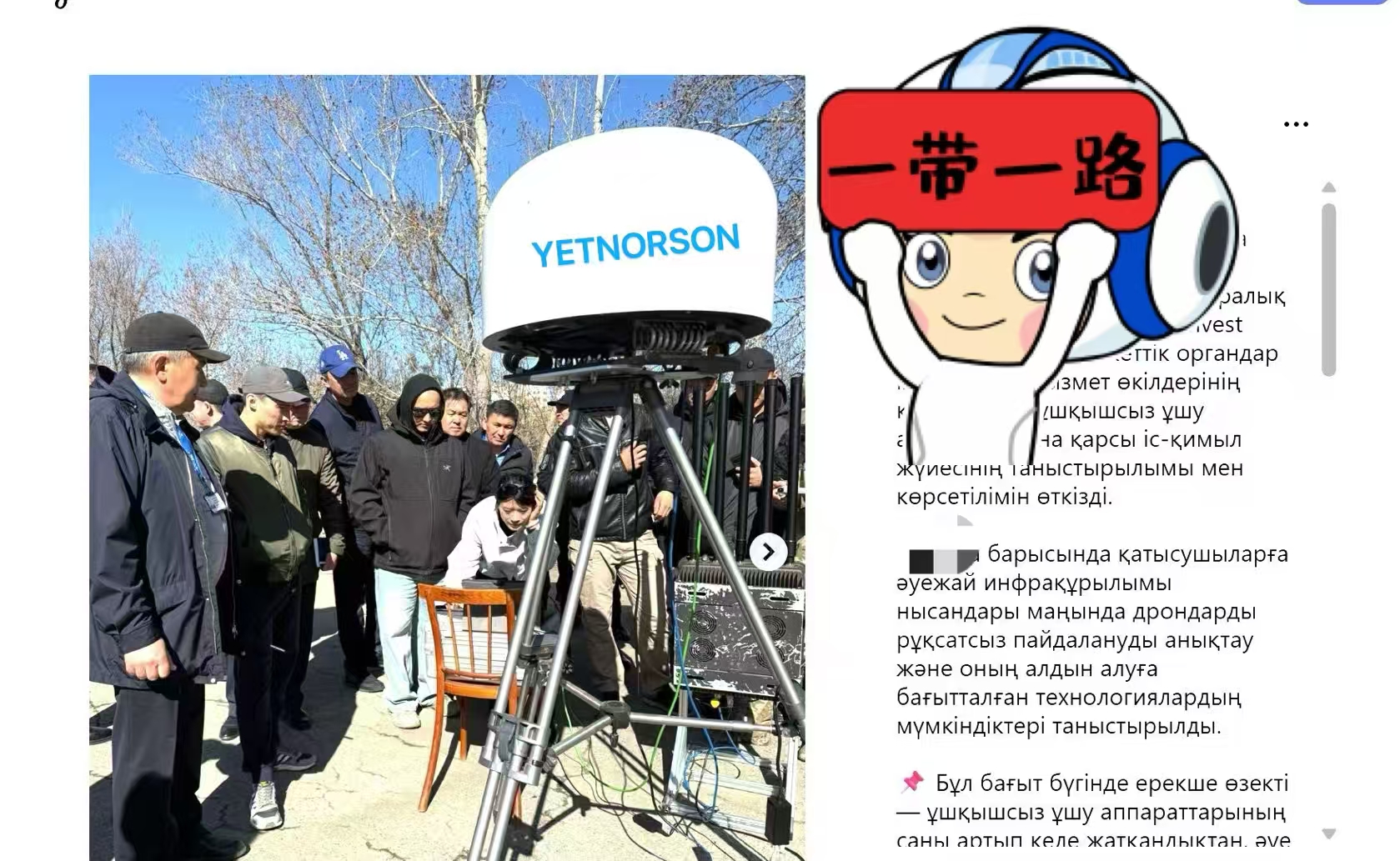
Not long ago, Kostanay International Airport, together with the national aviation authority and a local security team, ran a drill specifically for unauthorized drone response. We brought our own gear over from Shenzhen — built in-house at YETNORSON . At Kostanay, the kit we installed pulls together radar, electro-optical tracking, laser strike capability, coordinate spoofing, high-power microwave, and electromagnetic jamming — six lines of defense working in parallel, which is a genuine step up in airspace protection.
Throughout the drills and technical discussions, the system did its job. It reacted quickly, handled the test intrusions properly, and showed it could manage the airport's day-to-day security workload. After the drill, we sat down with airport management and the local authorities. Everyone agreed it did what they needed it to do. Clean test, no issues.
On a bigger picture level, this wasn’t just a one-off sale for us. Kazakhstan and China have been deepening practical cooperation under the Belt and Road framework for years — in transport, energy, and now increasingly in public safety and security tech. YETNORSON has been working on low-altitude defense and counter-UAV solutions for a long time, and bringing that know-how to a Silk Road partner country feels like a natural fit. It’s old trade routes meeting new security needs.
To be honest, keeping the sky safe isn’t something any country can do on its own anymore. Drones are everywhere, the low-altitude side of things keeps growing, and that means pretty much everyone is dealing with the same headache.
So for us, the plan hasn’t really changed. We’ll keep at what we’ve been doing: counter-drone systems, early warning, airspace defense. We design our own tech, we refine it as we go, and we set it up to match what each country and each site actually needs — there’s no point trying to sell the same box to everyone.
A lot of the places we’ve been working with lately sit along the old trade routes linking China with Central Asia and beyond. It just makes sense — airports, transport hubs, sensitive sites, the kind of places where reliable protection actually matters. No big story there. We show up with hardware that’s been tested in the real world, help get it running properly, and leave the site a little safer than we found it. If that helps the bigger security picture, good. We’ll keep showing up.