If you want to grasp what actually separates a cheap off-the-shelf whip from a fiberglass omni built to last on a tower, you can’t stop at the gain figures printed on a spec sheet. You need to dig into how the radome material behaves under RF, whether the radiating element gives you a solid DC path to ground, and what those internal brass connectors and joints look like — the stuff nobody bothers to photograph for the website. What follows is a no-nonsense look at what professional buyers and system integrators really check before approving a fiberglass antenna for 868 MHz, 915 MHz, and dual-band WiFi — and why the old conversation around radome materials has flipped for good.
What the Radome Hides: Anatomy of a Fiberglass Antenna
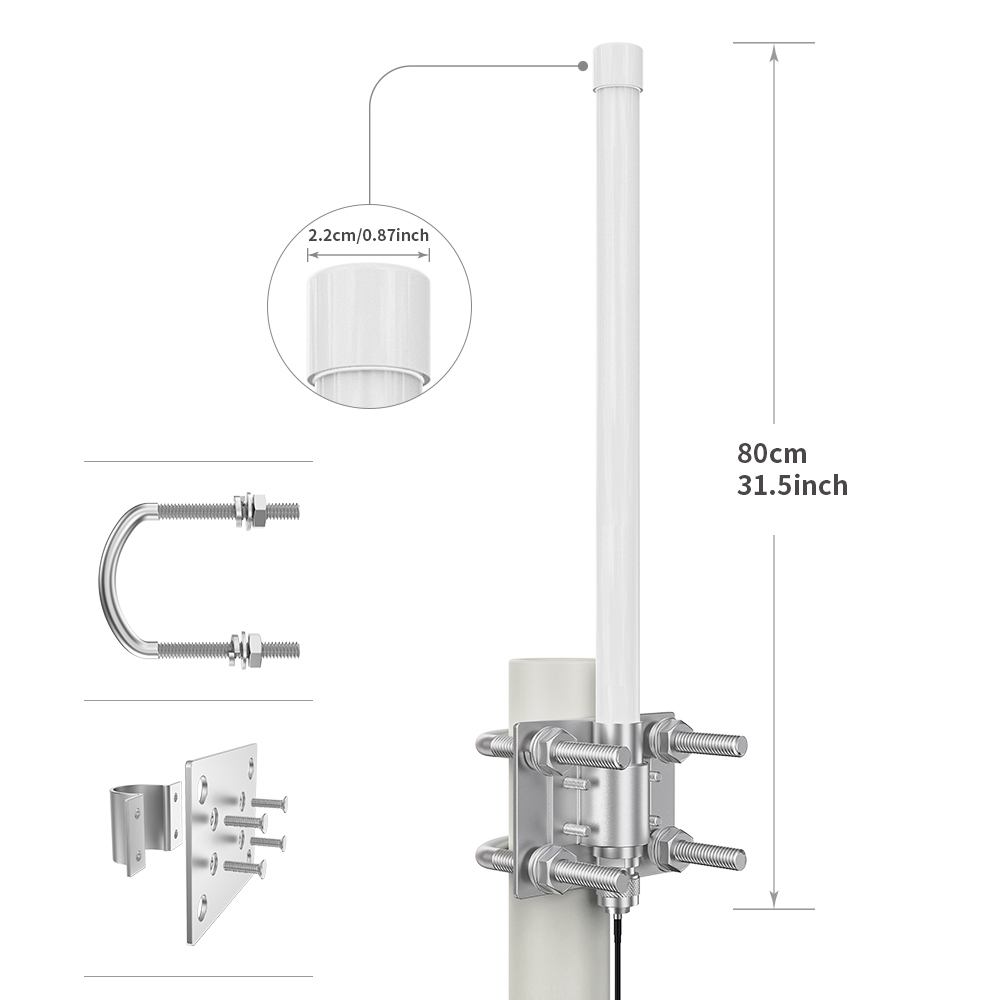
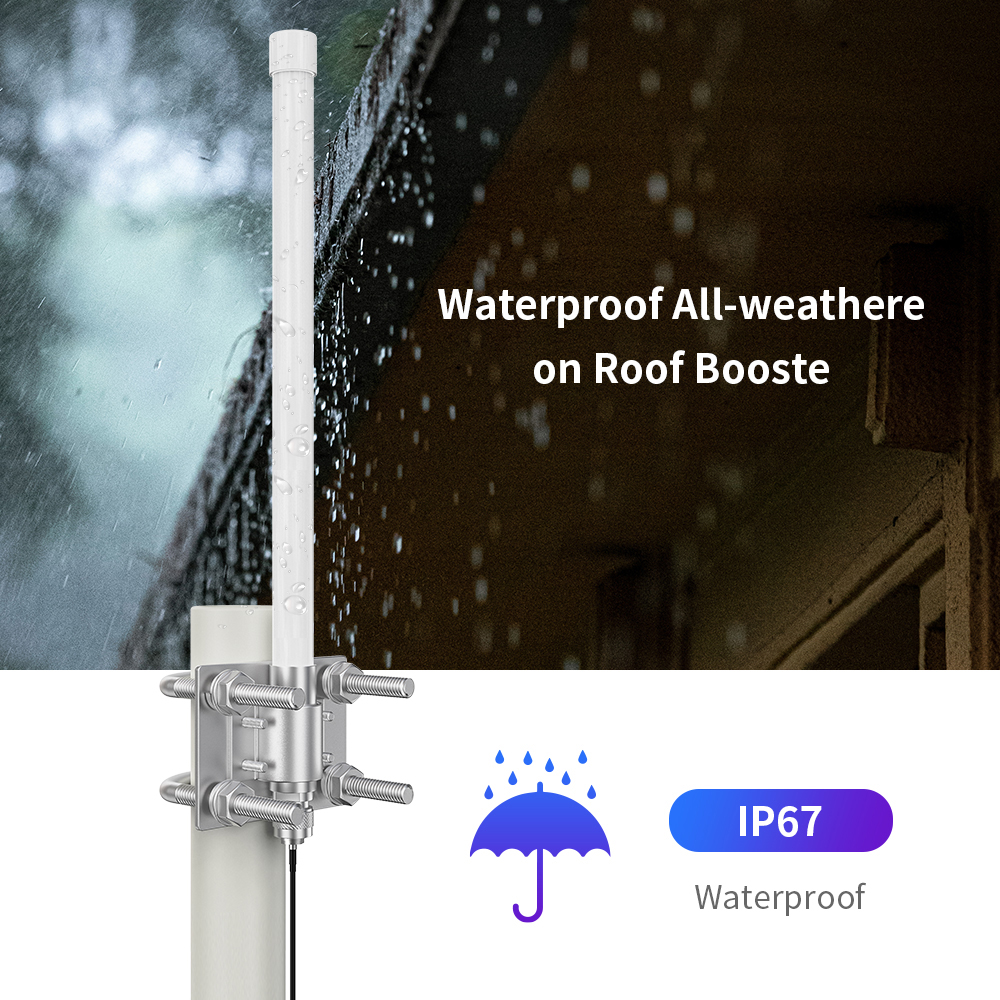
Walk into a typical RF lab and pull the outer shell off a few lookalike antennas. Underneath the tube, you’ll find two very different designs. The ones engineered for long-haul outdoor service use a UV-stabilized fiberglass radome over a sealed internal radiating element, often a collinear array of brass or copper segments soldered onto a rigid substrate. The tube itself isn’t just a weather shield; its dielectric constant directly influences the electrical length of the array, so the wall thickness and resin-to-glass ratio must remain consistent from batch to batch. Cheap PVC or thin ABS enclosures drift with temperature, pulling the center frequency slightly away from where the radio needs it. On a node struggling with a -115 dBm sensitivity floor, even a small VSWR bump can drop packets.
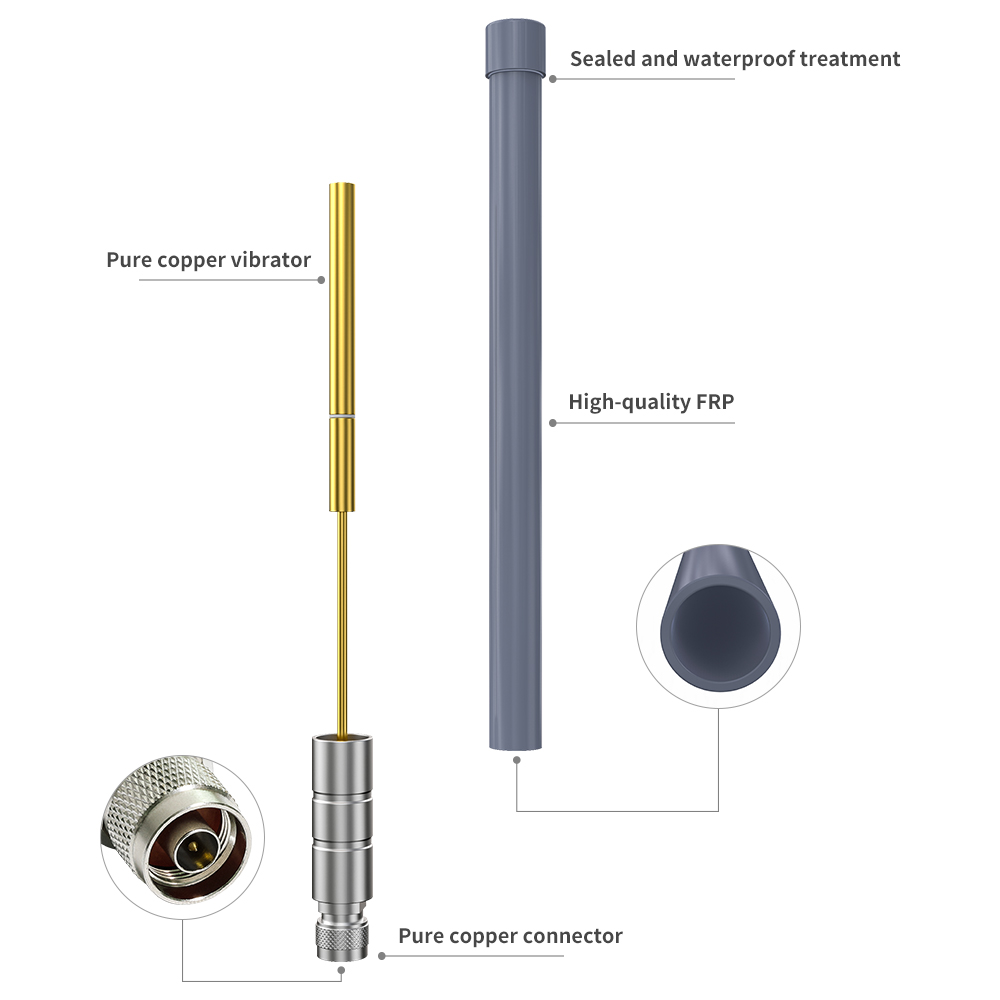
Buyers sourcing “outdoor high-gain omni antenna fiberglass” frequently ask if the internal elements are DC-shorted to ground. This isn’t an arcane detail—it’s a lightning-survival feature. A properly designed collinear inside a fiberglass sleeve will present a DC short on the center conductor, bleeding static buildup before it jumps the front-end of a LoRa gateway or a WiFi access point. After one too many wet-season field dispatches, network engineers in Florida and Southeast Asia now routinely hunt for “fiberglass omni antenna with DC ground lightning protection.” Any vendor that can’t instantly confirm the feed point reads a dead short to ground on a basic multimeter isn’t worth the gamble — take the PO elsewhere.
868 MHz and 915 MHz ISM Bands: Tuning for Regional Reality
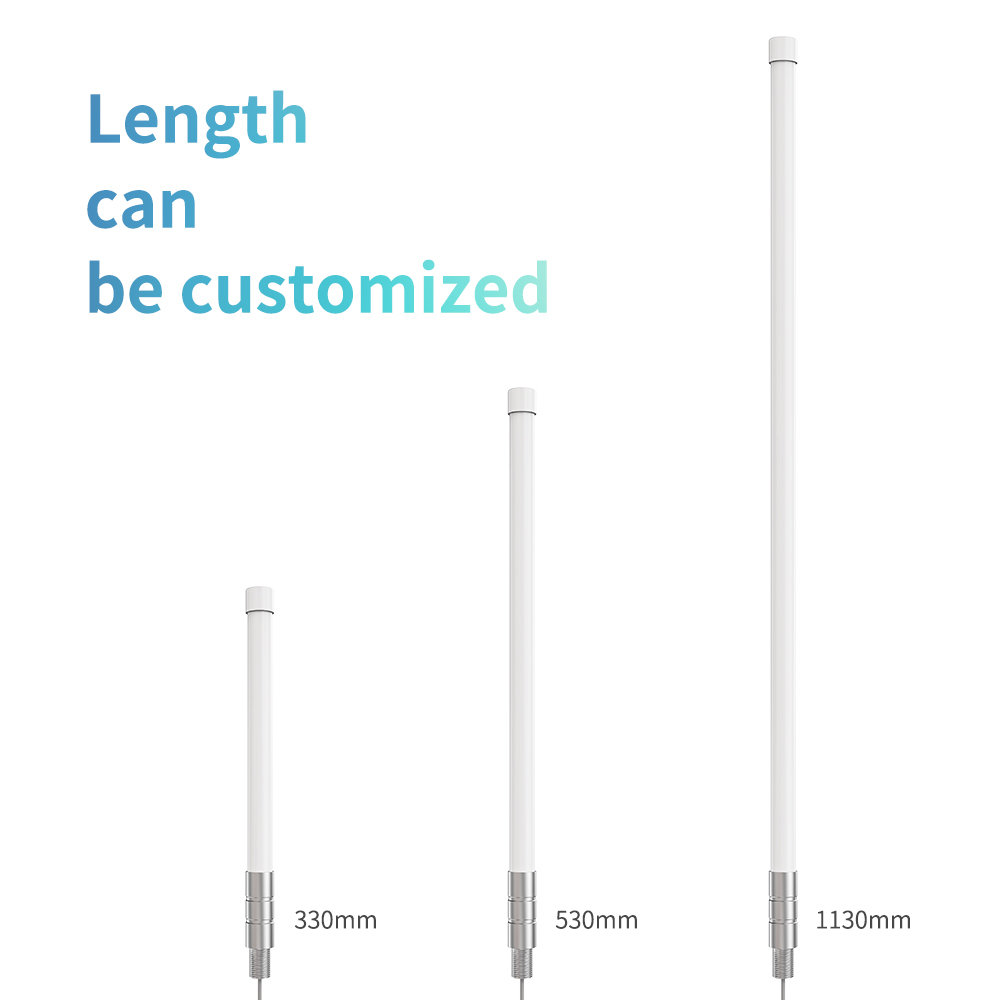
LoRaWAN and private sensor backbones have pushed 868 MHz and 915 MHz ahead of nearly every other sub‑GHz option beyond conventional cellular bands. They may share unlicensed ISM status, but the spectral rules governing each region differ sharply, and the conditions out in the field are just as uneven. System architects working across European water-metering projects consistently reach for a mechanically robust, high-gain collinear. The conversation in a buyer’s office often starts with a need for an antenna that handles the full 863–870 MHz range without a VSWR spike at the band edges. Once the conversation pivots from specs to physical construction, more buyers start looking closely at an 868MHZ Fiber Glass Antenna. The fiberglass body holds its shape across freezing winters and blistering summers, keeping return loss steady in conditions that would make a PVC radome bow and throw the match out of spec.
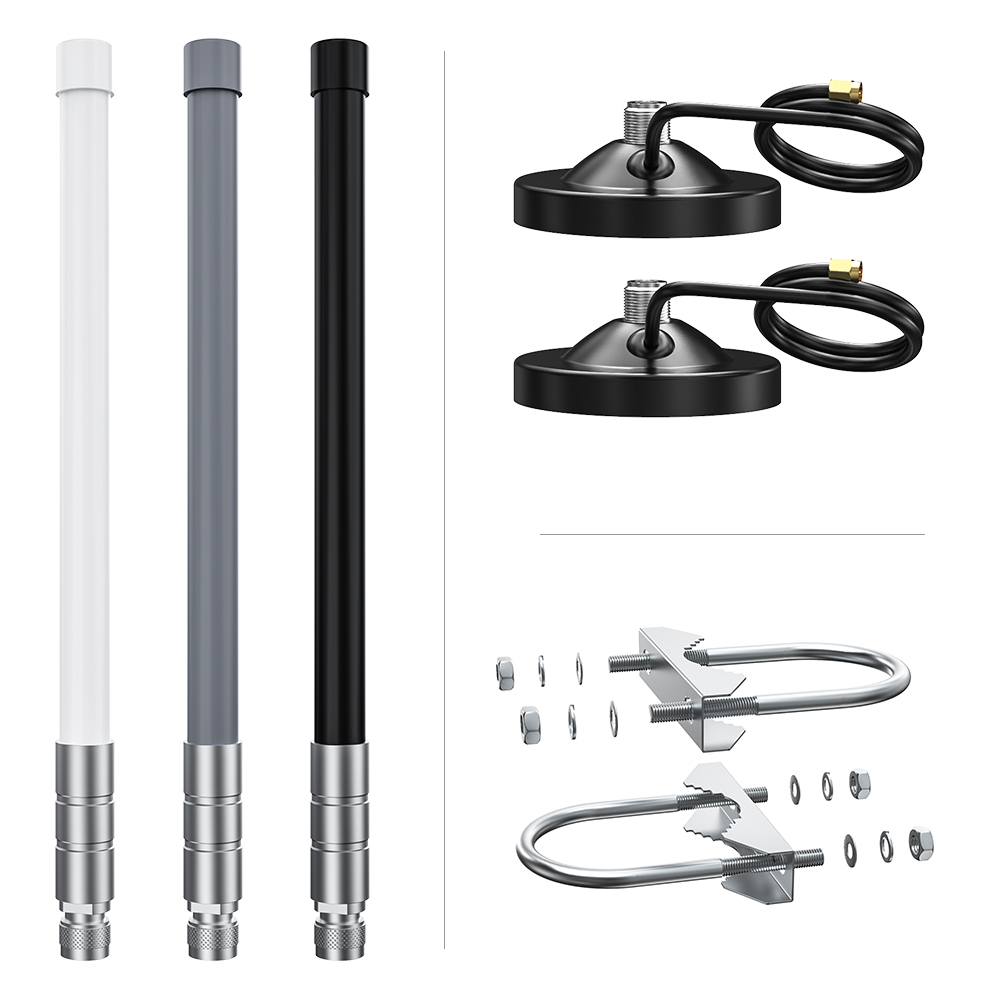
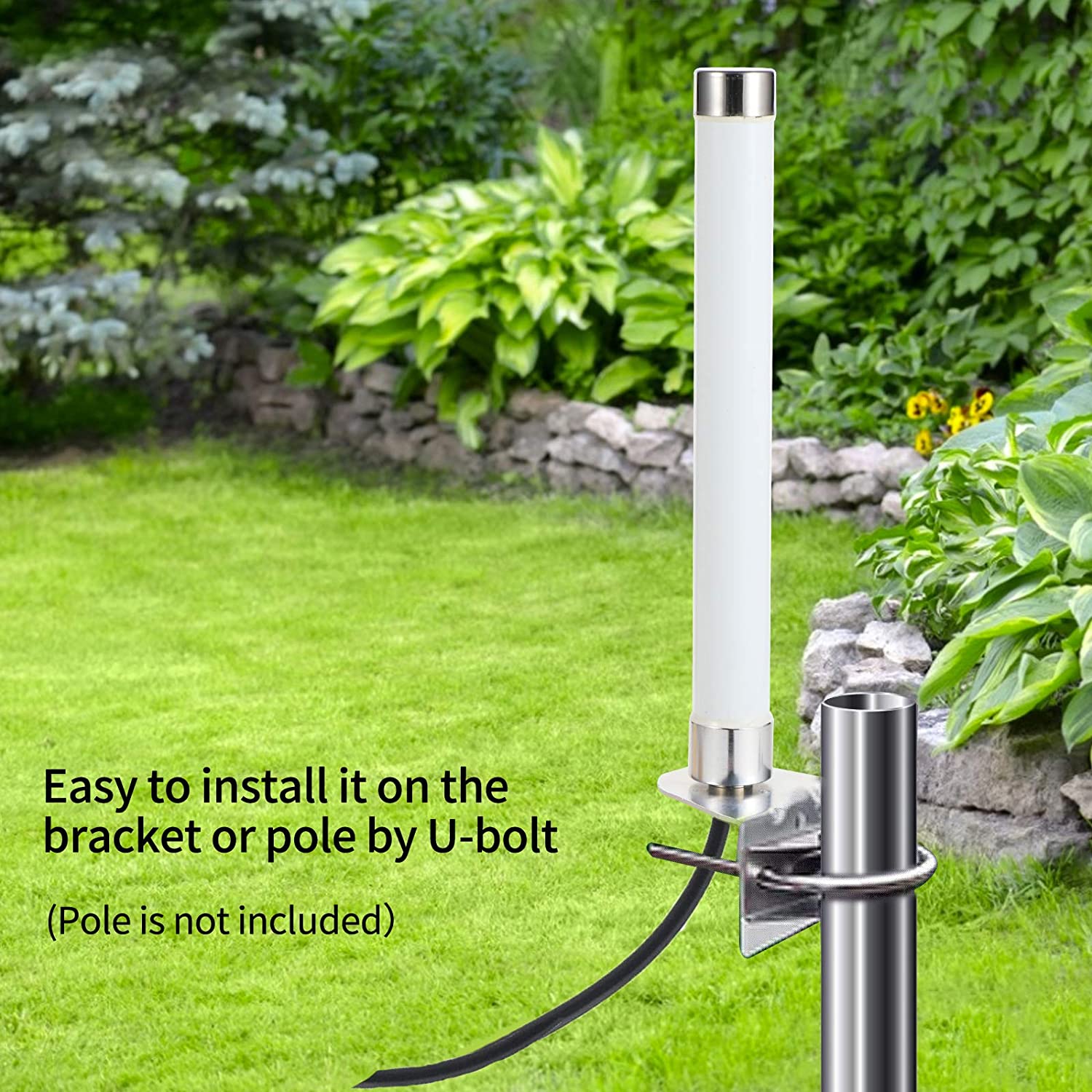
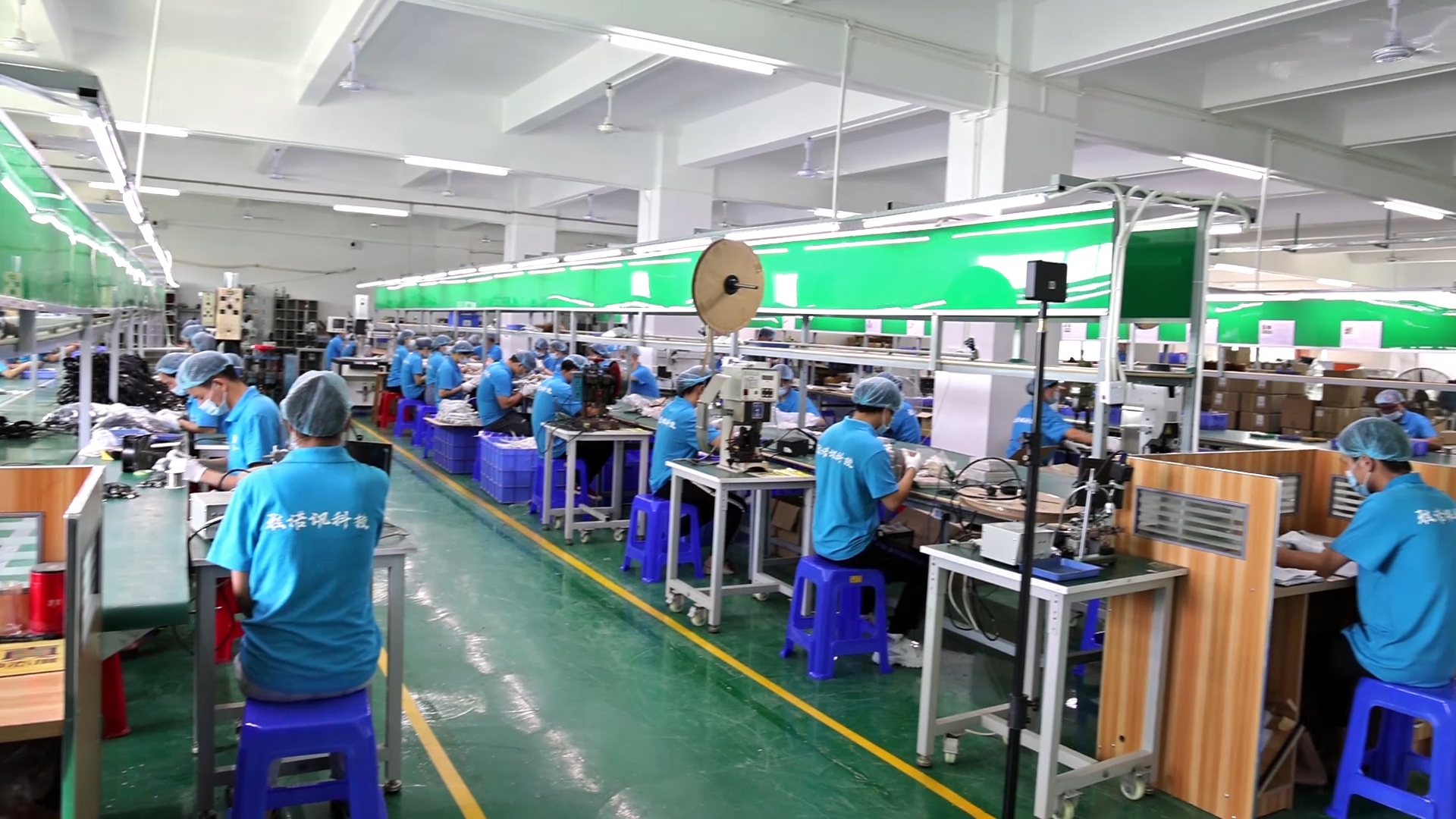
There’s also a growing subset of buyers asking about Helium network installations and smart agriculture nodes that sit on center-pivot irrigation rigs. Those inquiries almost always include the phrase “waterproof N-type fiberglass antenna” because the N connector remains the standard for outdoor RF, and a poorly sealed connection behind the connector flange is a common infiltration point. The best fiberglass designs pot the connector base directly into the radome with polyurethane resin, eliminating the air cavity where condensation loves to pool. When integrators ask about “fiberglass antenna wholesale,” they often want to verify that this potting process is automated, not done by hand with a caulk gun.

WiFi in the Outdoors: The Fiberglass Difference at 2.4 and 5.8 GHz
Outdoor WiFi has moved far beyond the beer-garden access point. It’s now tasked with connecting CCTV backhaul links, port logistics terminals, remote mining vehicle telemetry, and solidly built campground networks.That dual-band omni perched on a marina flagpole gets hammered by salt spray, relentless UV, and the constant shudder of wind loading — and it's expected to do all that without degrading into an interference source. Choosing a Wifi Fiberglass Antenna solves the structural durability equation, but the electrical performance bar sits just as high. Multi-path reflections off water and metal structures mean the elevation beamwidth must stay tight and predictable. Fiberglass radomes can be laid up with uniform thickness to preserve the radiation pattern, whereas injection-molded plastic tubes often exhibit slight thickness variations that distort the upper null fill.
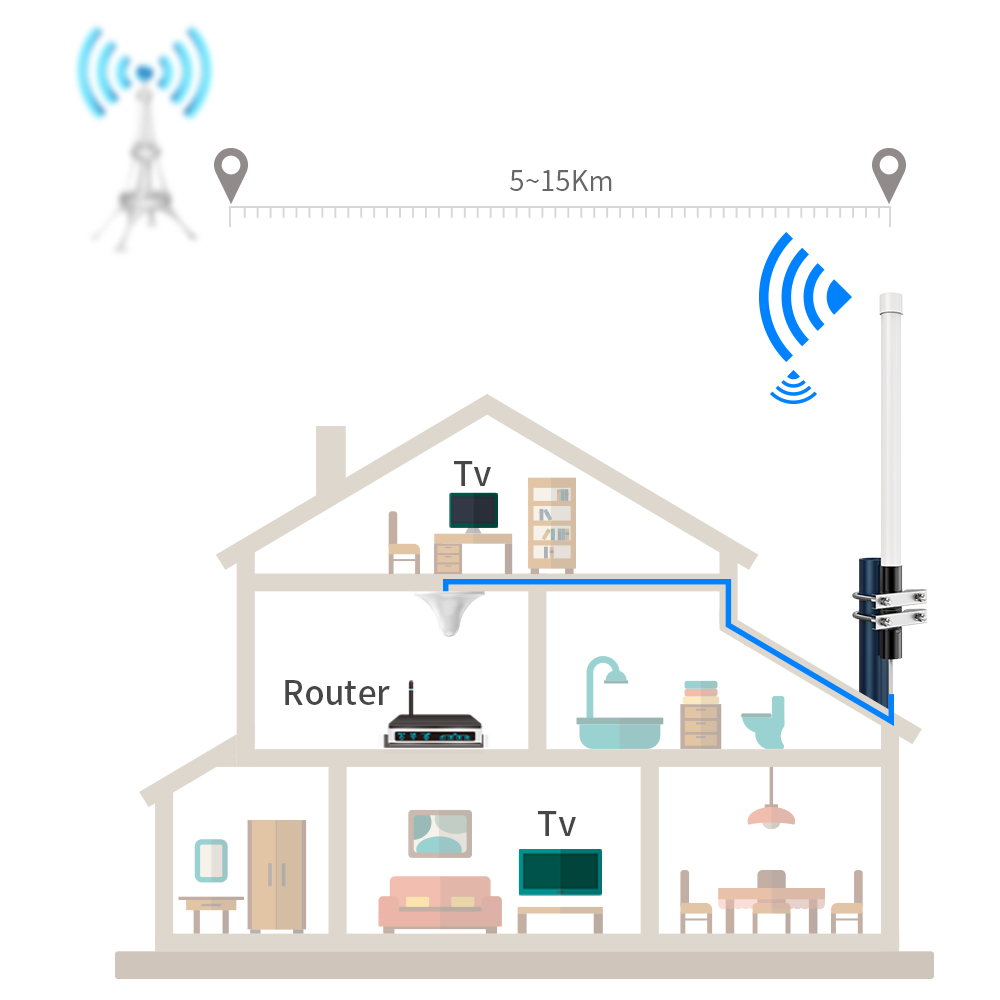
A search trend that’s picked up steam in 2025 and 2026 is “wifi fiberglass antenna 8 dBi outdoor omni.” Network admins have learned that exaggerated gain claims on unspecified antennas usually come with a scrunched vertical beamwidth that creates a dead zone directly under the mast. A credible manufacturer will publish the elevation pattern cut so buyers can see if the -3 dB points leave a coverage hole between the antenna base and 30 feet out. This matters when the access point serves a mix of close-in smartphones and distant laptops. Fiberglass doesn’t magically fix a bad array design, but its consistency helps maintain the pattern integrity across production runs, meaning the pattern you measure on a first-article sample is what you’ll get on the 500th unit.
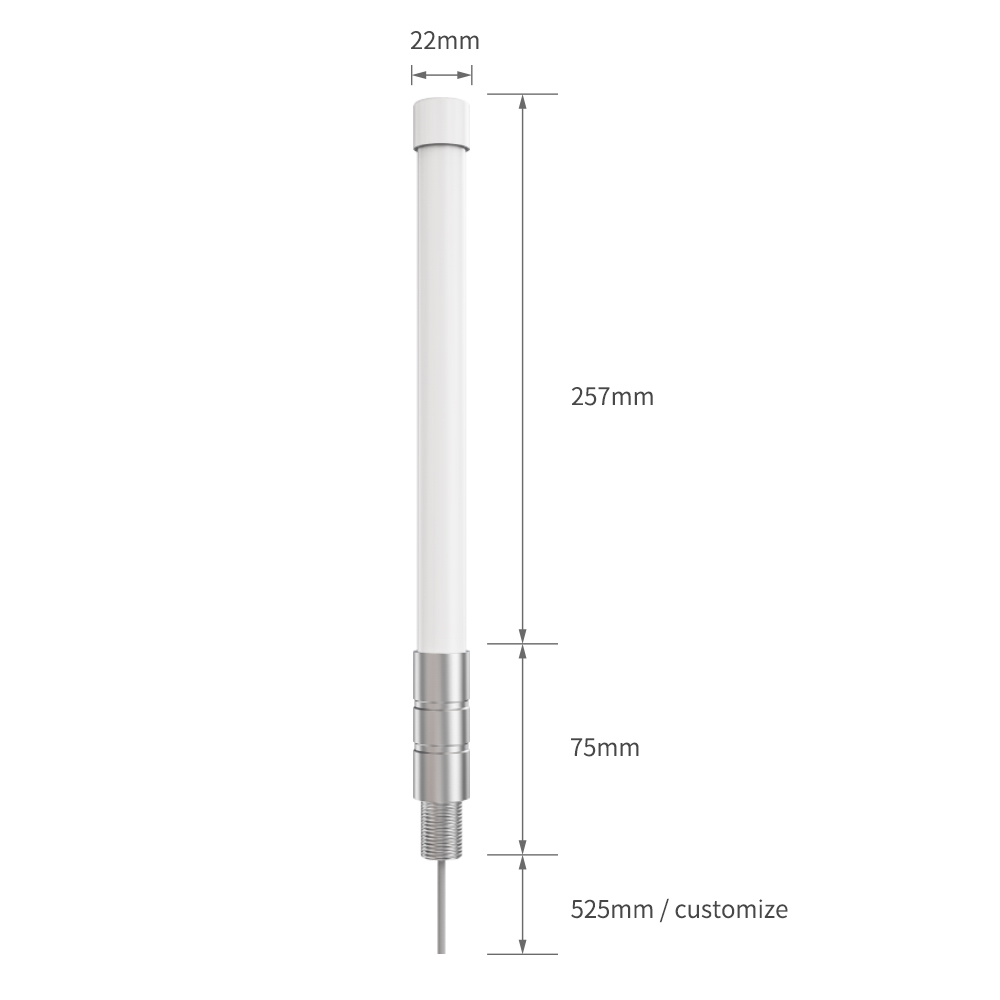
Fiberglass antennas are no longer a niche engineering choice; they are the hardware answer to an environment that shreds plastic and corrodes metal in equal measure. For operators who treat an antenna as a 10-year infrastructure asset instead of a consumable, the investment in a properly tuned, purpose-built glass fiber column pays off the first time a storm rolls through and the link budget doesn’t budge. Whether the network relies on an 868MHZ Fiber Glass Antenna across a European smart grid, a 915MHZ Fiber Glass Antenna on a North American agricultural IoT backbone, or a Wifi Fiberglass Antenna serving a crowded commercial waterfront, the spec decisions made during procurement directly determine how many trouble tickets the NOC sees when the weather turns.