RG174 Coaxial Cable Deep Dive: Construction, Electrical Performance, and Smart Buying Tips for Engineers and Purchasers
Let’s cut straight to it – the coax cable market is genuinely growing, not just chugging along. You’ve got 5G deployments eating up cities, IoT sensors popping up everywhere, and broadband networks being ripped out and upgraded constantly. Somewhere in that chaos, there’s a slim little cable that doesn’t get much glory but turns up in all sorts of places: RG174, the 50Ω miniature coax that lives inside antenna pigtails, test leads, and tightly packed RF modules. This isn’t a marketing pitch – it’s a plaintalk look at what the RG174/U actually does, where it struggles, and how you figure out if it’s the right pick for your job.
What’s actually inside the jacket
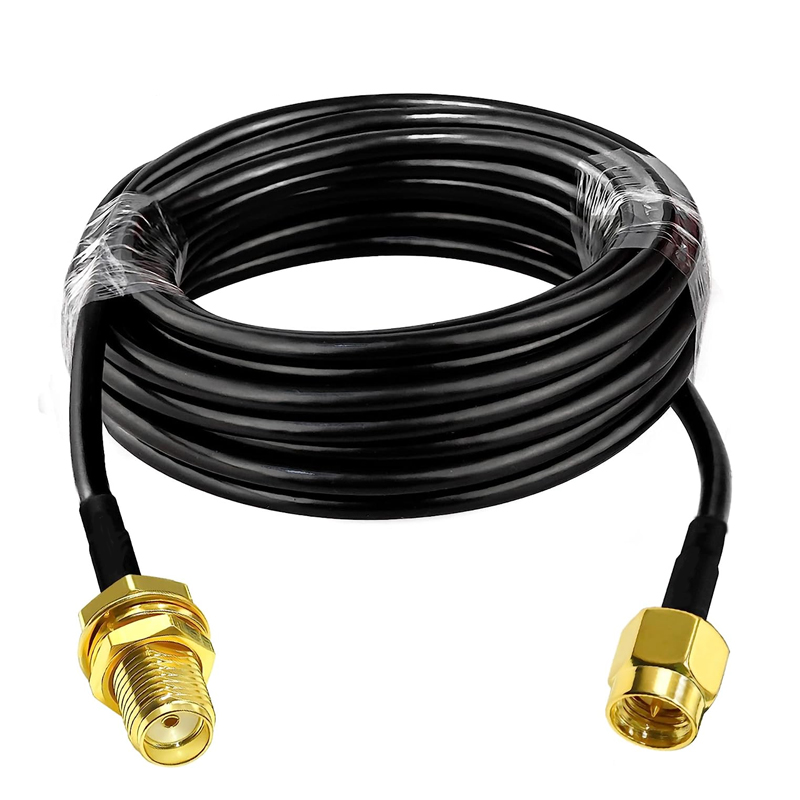
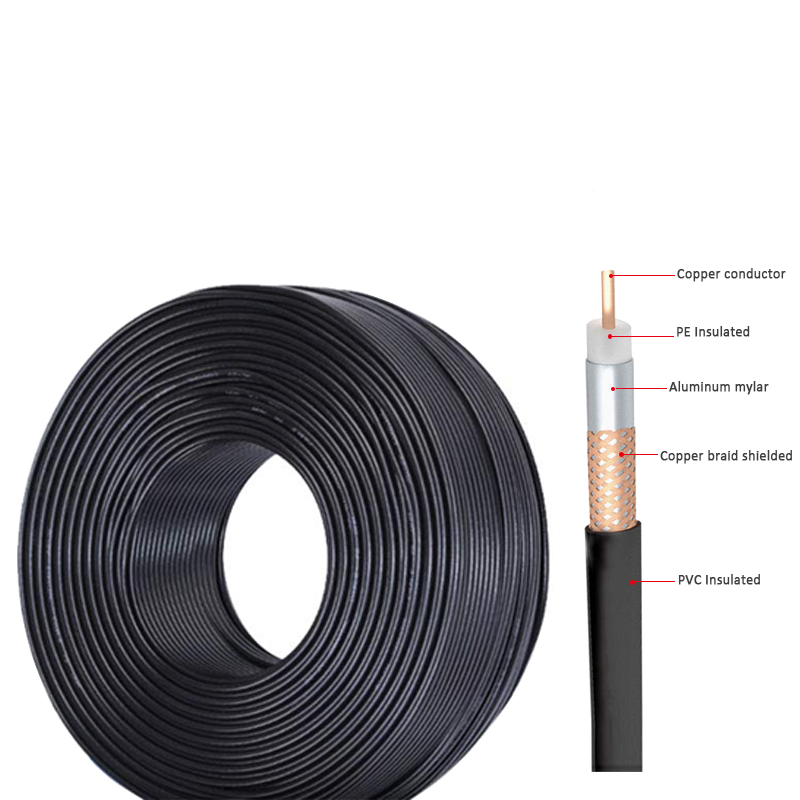
Flip open the datasheet and the first thing you see is the inner conductor – seven strands of 0.15mm oxygen free copper, twisted to give a nominal cross section of 0.124mm². Around that sits the lowdensity polyethylene dielectric. Average thickness is 0.46mm, with a minimum of 0.41mm, and the insulation’s outer diameter is held to 1.5mm ±0.05mm. Those dimensions aren’t arbitrary – they set the capacitance (100 ±10 pF/m) and the characteristic impedance (50Ω ±5Ω). Mess those up and you get reflections that chew up your signal.
Where RG174 actually belongs
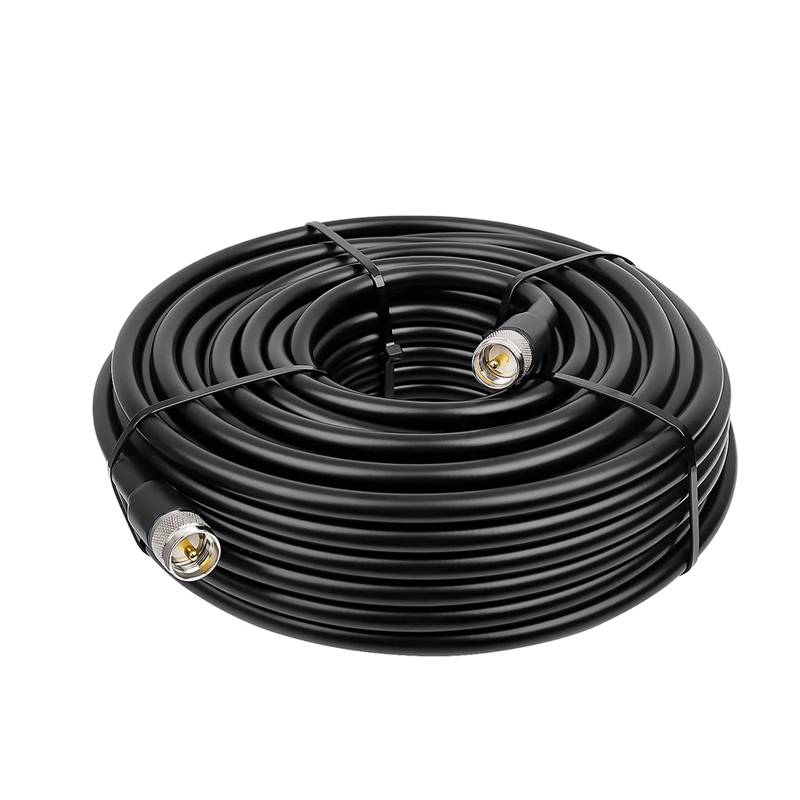
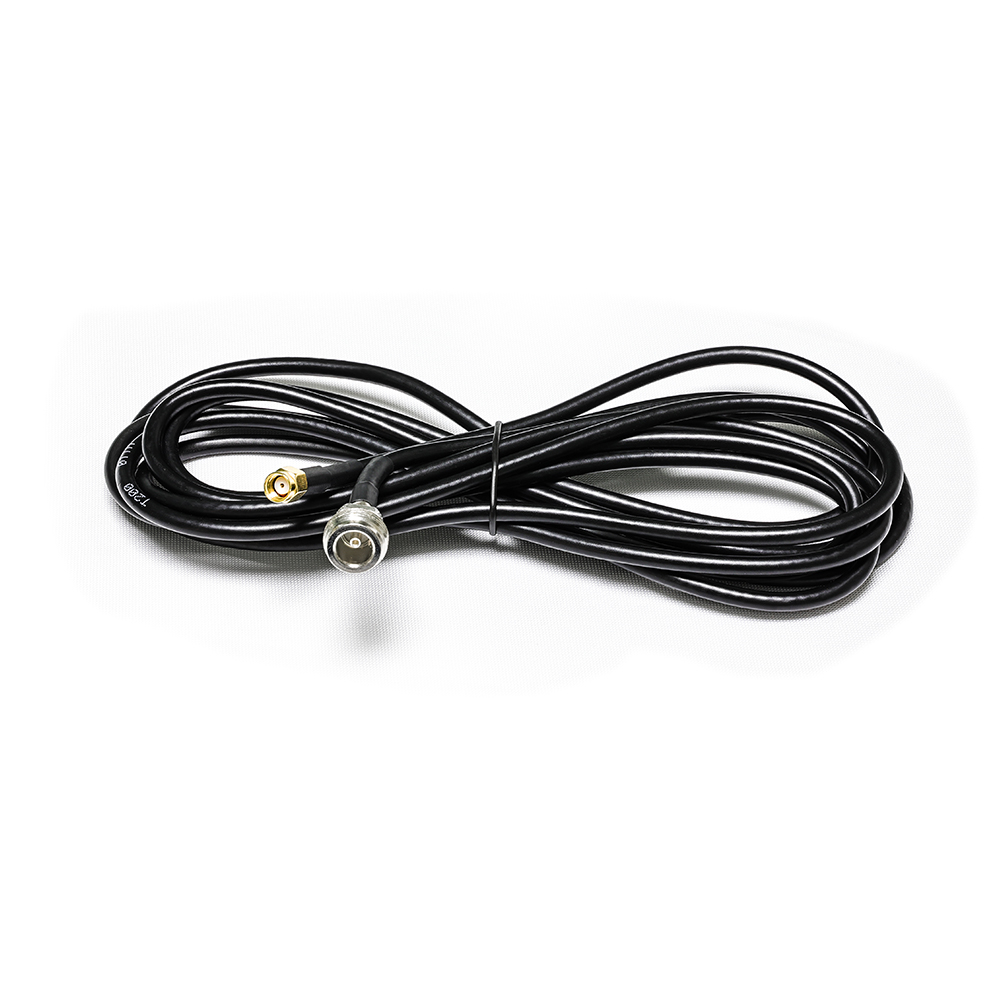
Let’s be clear – this isn’t a universal cable. It shines in specific niches. For antenna pigtails – GPS, LTE, Wi-Fi modules inside laptops and routers – it’s almost perfect. The 2.8mm diameter slips through tiny glands and narrow channels, and the flexibility makes dressing easy without stressing connectors. Test labs love it for low power scope probes and signal generator leads, especially when you’re constantly moving things. Portable equipment, handheld radios, drone telemetry – all benefit from its light, bendable nature, which is why RG174 Cables are a staple in those spaces.
What thoughtful buyers check before ordering
Over the years, I’ve heard the same questions come up again and again from engineers and purchasers sourcing RF Coaxial Cables like RG174.“Does copper-clad aluminium braid cause corrosion?” – It can, especially at termination points where aluminium is exposed to air and moisture. if the environment is humid or salty, solid copper or silver plated shields will be worth the extra cost.“How do I verify braid coverage is consistent?” – Factory test reports should give a percentage – typically 85-90% from a 64 braid design. But batch variation happens and ask for lot specific data. Some factory also do visual inspection under magnification.
Jacket completeness will be more important than your thinking. Pinholes or uneven thickness can cause cables to enter water, degrading the dielectric and raising attenuation over time. A spark test along the jacket catches these defects, but not all manufacturers do it. Please confirm that your supplier has incorporated spark testing into their regular process. MIL-C 17 certification adds us confidence and though many commercial grades meet or exceed those specs without the formal stamp. For defence or aerospace, you’ll likely need the full pedigree; for consumer electronics, a solid commercial datasheet is often enough.
The coax industry isn’t static. The push toward 5G NR and mm wave frequencies is pushing some engineers away from RG174 because it can’t handle loss above 2 GHz. However, sub 6 GHz bands are still the bulk of deployments, and RG174 keeps getting specified for internal connections in customer premises equipment, small cells, and IoT gateways. At the same time, device miniaturisation sustains demand for thin, flexible coax – so manufacturers are investing in better braiding machines to reduce coverage variability.
If you need more information about RF coaxial cables, including comparisons with RG58 RF coaxial cables and application guides for RG174 cables, you can browse our product catalog and company profile and then contact with our sales team. We are very honor to discuss with your specific and demand.