
Why 23 Kilograms of Thrust Is a More Strategic Number Than It Looks
Thrust figures get thrown around in engine brochures the way horsepower numbers get thrown around in car ads — often as marketing shorthand that obscures more than it reveals. So before getting into the BN-23's specification matrix, it's worth spending a moment on why the 20–25kg thrust category occupies a structurally interesting position in the UAV propulsion market right now.
At the low end of the spectrum, electric propulsion has become increasingly capable, reliable, and cheap. For reconnaissance missions under 45 minutes, mapping drones below 15kg, and package delivery at urban altitudes, electric motors have largely won the argument. Nobody serious is shopping for a micro-turbojet to power a surveying quadcopter in 2025.
At the high end, turbofan and turbojet engines in the 50kg+ thrust category come bundled with support infrastructure requirements — specialized ground equipment, larger fuel logistics chains, and maintenance regimes — that put them out of reach for all but well-resourced defense contractors and national aerospace programs.
The 20–25kg band sits at the crossroads. It is the minimum viable thrust range for sustained high-subsonic flight in platforms weighing 50–90kg. It is the ceiling that separates serious tactical UAV performance from what electric systems can deliver. And critically, it is a range where the tradeoffs between weight, reliability, altitude capability, and fuel logistics are genuinely consequential — meaning the differences between competing products actually matter to mission outcomes.
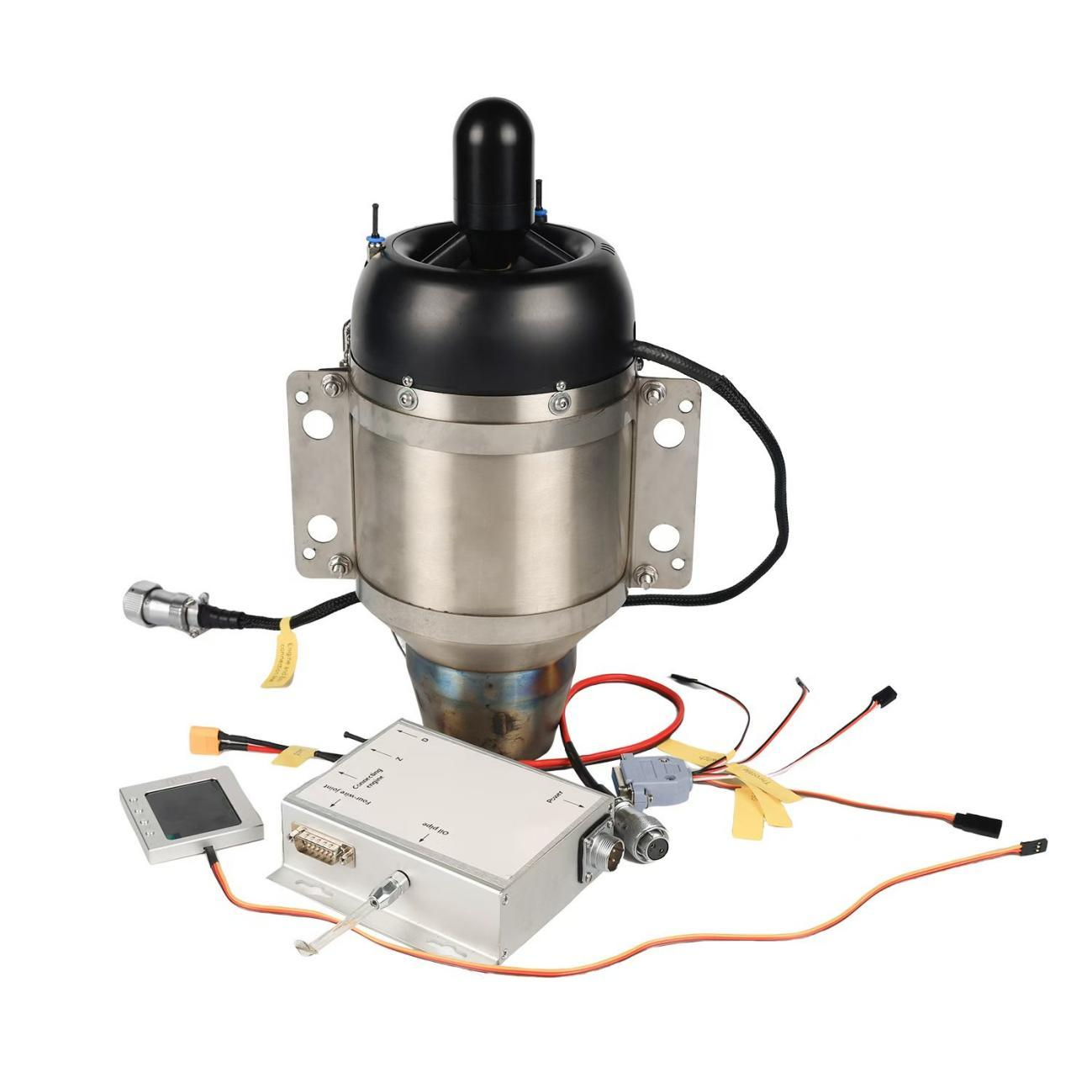
CONCERN 1 — THRUST-TO-WEIGHT RATIO AND WHAT IT BUYS YOU IN PLATFORM DESIGN
The first question any serious integrator asks is not "what is the thrust?" but "what does this engine weigh, and what does that leave me for everything else?" For fixed-wing UAV platforms operating in the 50–80kg takeoff weight range, the drive-train mass budget is typically one of the most fiercely contested constraints in the design process.
Here's the tradeoff that rarely makes it into brochures: propulsion mass is not just dead weight — it's opportunity cost. A kilogram saved on the engine is a kilogram that the structural engineer can put toward a longer wing spar, the payload team can spend on a higher-resolution sensor package, or the mission planner can convert into additional fuel and range. In platform design, these are not equivalent benefits — they compound differently depending on the mission — but the decision point is the same: who gets the gram budget?
Run the numbers on the BN-23 and the picture sharpens quickly. Twenty-three kilograms of thrust against a 4.8kg installed weight puts this engine in territory that genuinely changes the design conversation. On a 60kg-class platform, that propulsion footprint represents less than one-twelfth of gross takeoff weight — a proportion that would have been difficult to achieve in this thrust band even five years ago. Airframe engineers working within that kind of mass allocation find that doors open: payload bays get larger, fuel fractions become more generous, and structural margins stop being the design team's daily argument.
On the fuel type question: aviation kerosene (Jet-A / JP-8 compatible) is not a trivial specification choice. In terms of global logistics, Jet-A is available at virtually every functioning commercial airport on earth. Its energy density is higher than gasoline blends, its cold-weather viscosity characteristics are better understood, and its compliance with military JP-8 standards removes a significant certification friction point for operators working within or adjacent to defense procurement frameworks.
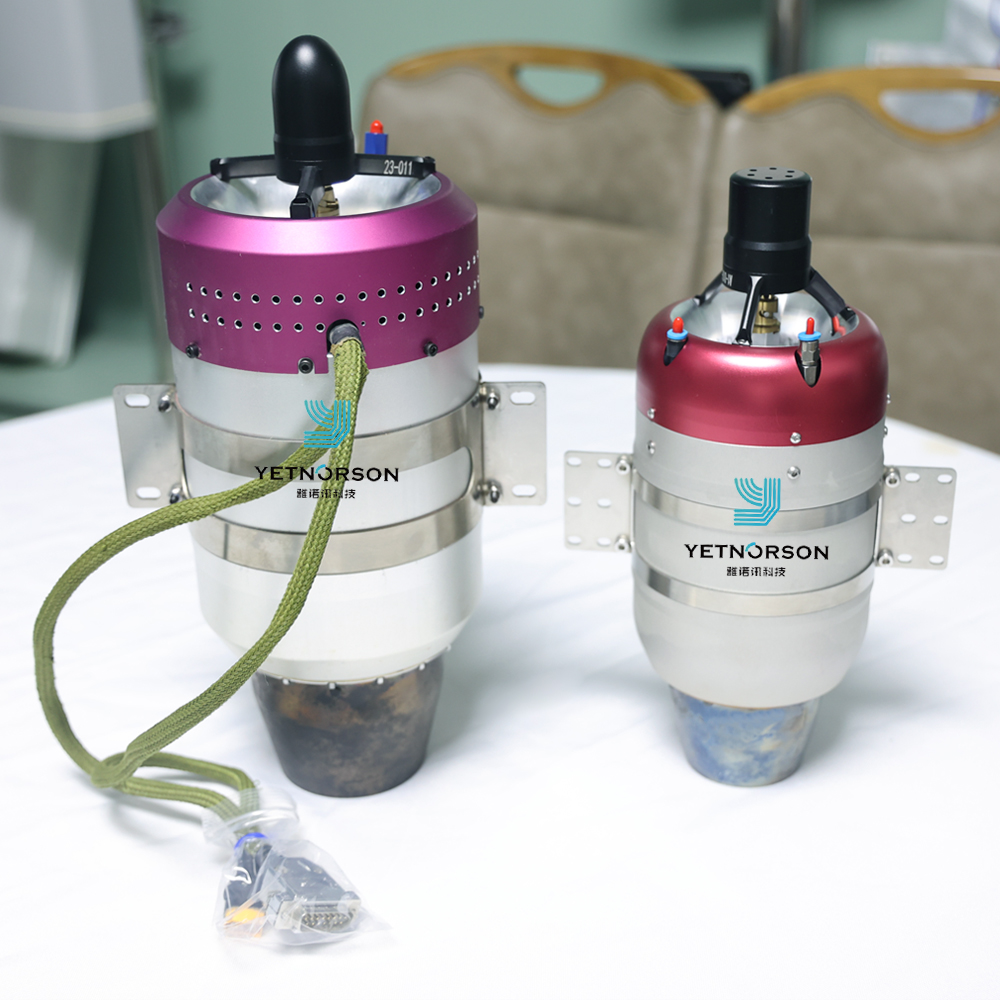
CONCERN 2— MAINTENANCE INTERVALS AND REAL-WORLD LIFECYCLE COST
Twenty-five hours sounds generous until you put it against an actual flight schedule. A research group logging eight to ten hours a month won't see a maintenance event for nearly three months — that's a non-issue. A target drone operator running 30-plus hours per month hits that threshold before the month is half over, which means maintenance isn't a scheduled event anymore; it's a permanent feature of the operation.
The lubrication protocol deserves more attention than it usually gets. The 3–5% oil-to-fuel ratio is standard for this engine class, but the consequences of inconsistency accumulate quietly. Run lean and bearing surfaces wear ahead of schedule. Mix too rich and combustion chamber deposits build up in ways that are easy to misattribute until a maintenance inspection makes the cause obvious. Neither failure is sudden — which is exactly what makes both expensive at scale. A written fueling checklist and calibrated mixing equipment aren't optional extras; they're what keep a 25-hour interval from quietly becoming a 15-hour one.
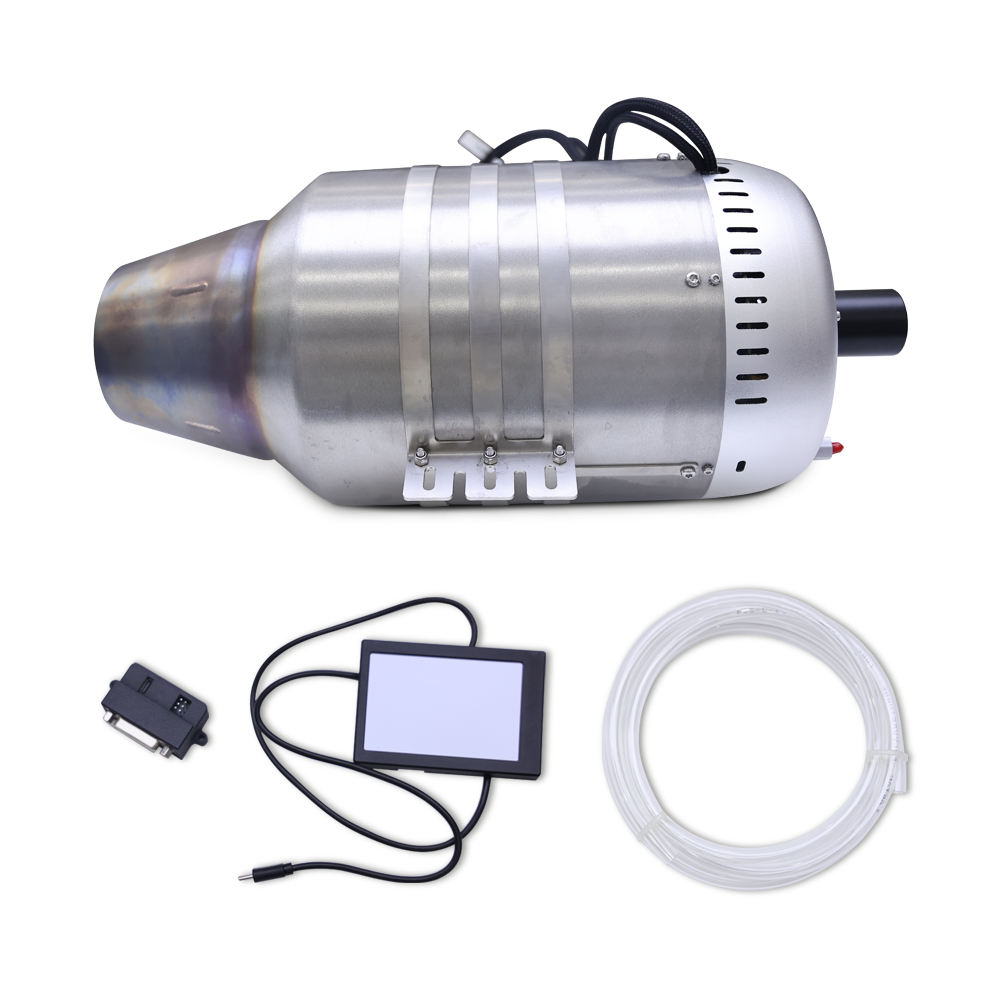
CONCERN 3 — THROTTLE RESPONSE AND DYNAMIC MISSION FLEXIBILITY
Eight seconds from idle to full thrust. Nine seconds back down. Those figures don't mean much in the abstract — their relevance is entirely mission-dependent.
For target drone operators, throttle response is what separates a convincing threat simulation from an expensive RC aircraft going in a straight line. A modern combat aircraft doesn't cruise at fixed speed; it surges, checks, and changes energy state in ways that ground-based missile systems and pilots need to train against. If the engine can't replicate that signature with reasonable fidelity, the training value of the entire sortie degrades accordingly.
For reconnaissance platforms, the deceleration side of that equation matters more. An abrupt weather encounter or a last-minute mission redirect requires the flight control system to shed energy quickly without sacrificing stability — and that headroom comes directly from how fast the engine responds to a throttle-back command.
The 46,000–108,000 RPM operating band underpins both of these use cases. That's not a narrow power band tuned for a single cruise condition; it gives the flight controller genuine authority across a wide range of thrust settings, which in practice means more options when conditions stop matching the pre-flight plan.
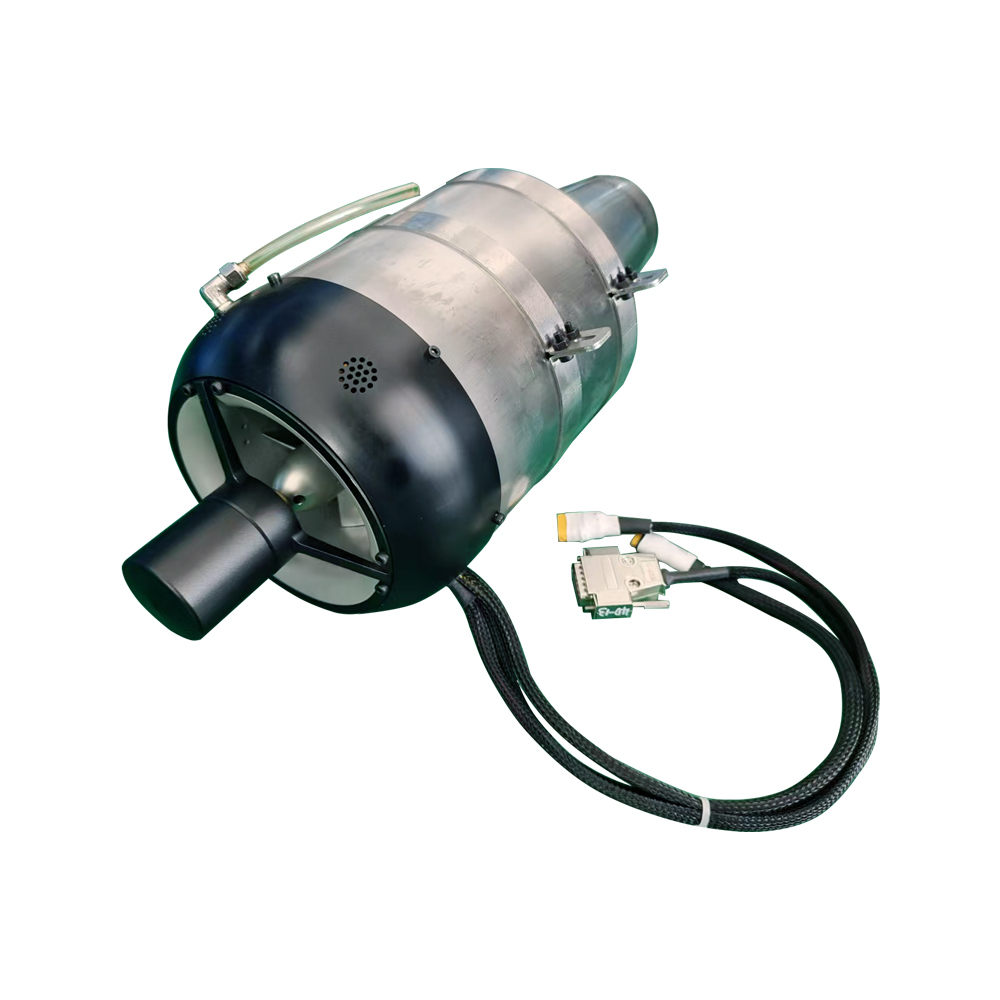
HOW TO EVALUATE THE BN-23 AGAINST YOUR SPECIFIC PROGRAM REQUIREMENTS
Spec sheets answer the questions suppliers want you to ask. A useful evaluation process is built around the questions your program actually needs answered.
Start with altitude and temperature, not thrust. Write down your operating altitude range, your coldest expected start temperature, and your highest sustained operating temperature before you contact any supplier. These three numbers will disqualify more engines faster than any other filter.
Ask for the altitude-corrected thrust curve. Sea-level rated thrust is a starting point, not a design input. Request thrust output at 50%, 70%, and 100% RPM across your actual operating altitudes. A supplier who can't produce this data is telling you something useful about their testing program.
Use 70% thrust SFC for your endurance calculation, not the maximum fuel flow figure. Nobody cruises at full throttle. Build your fuel fraction estimate around realistic cruise RPM, then check whether your platform's fuel volume actually supports the mission duration you're planning for.
Do the maintenance math before you decide how many engines to buy. Divide your monthly flight hours by 25. That's how many maintenance events you're scheduling per engine per month. If the downtime that implies puts your availability rate below what the program requires, budget for a spare unit from the start — not after the first scheduling conflict forces the issue.
Get witnessed test data, not just a datasheet. For any program where propulsion reliability is on the critical path, ask for a ground-run demonstration or documented test results at your target altitude conditions. Numbers on a page are a claim. Observed performance is evidence.
Closing Thought: The Spec Sheet Is Where the Conversation Starts
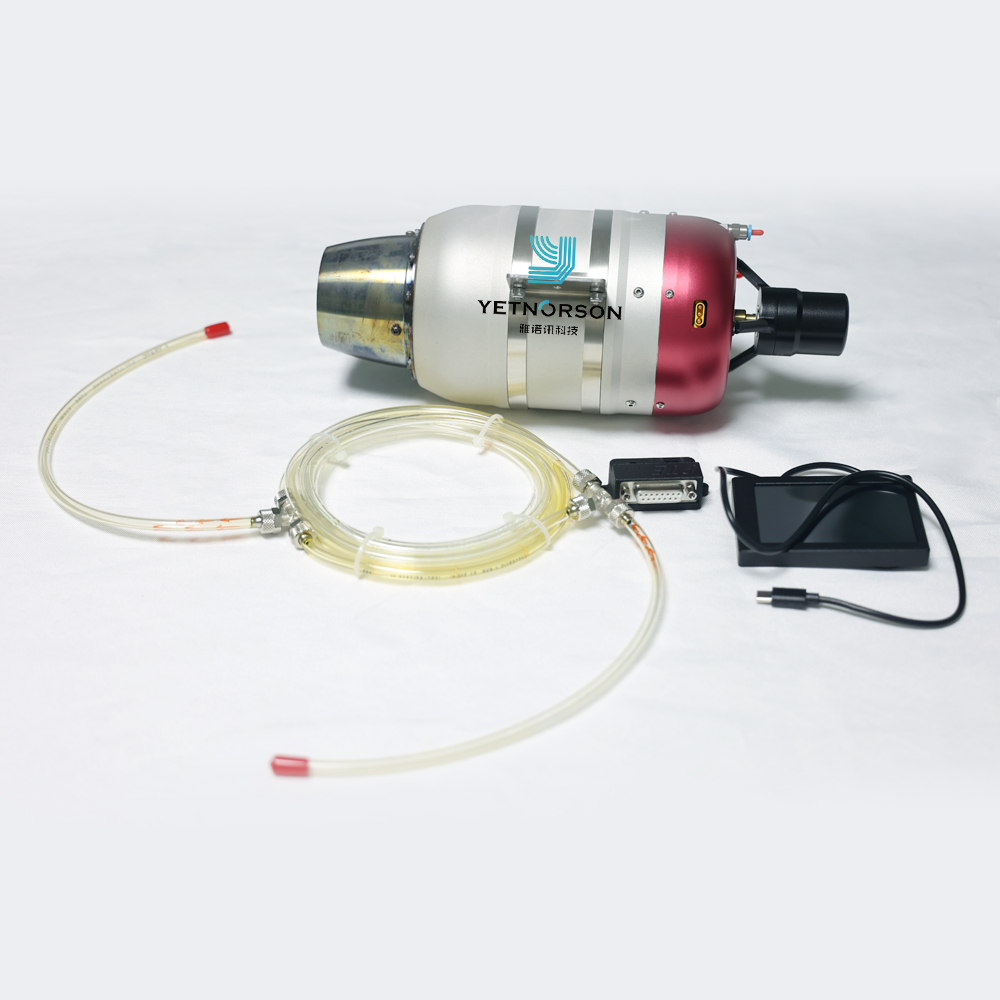
The BN-23's parameter combination — 23kg thrust, 4.8kg installed weight, aviation kerosene fuel, -40°C cold start, 8,000-meter working ceiling, Mach 0.8 envelope — occupies a position in the mid-thrust turbojet market that is harder to replicate in a single product than the spec sheet makes it look. The weight efficiency, in particular, reflects engineering choices that have real downstream consequences for platform design freedom.
But specifications describe what an engine can do under controlled conditions. Procurement decisions need to account for what a propulsion system does when the conditions are not controlled: in a crosswind at 3,500 meters in January, on the sixth mission of the week, with a crew that last saw a maintenance manual three months ago. Those are the conditions that determine whether a technically capable engine becomes an operationally reliable one.
The teams that come to a turbojet evaluation with clear mission parameters, a realistic maintenance budget, and specific questions about field performance data are the ones that end up with propulsion solutions that actually work for their programs. The spec sheet is where the conversation starts — not where it ends.